
The 8 Best Chainsaw Protective Gear of 2026
If you work around chainsaws, the right protective gear can help you stay safer and work with more confidence. This roundup covers 8 top picks from Vgo, ZELARMAN, Forester and more in November 2026 to help you choose the best chainsaw protective gear.
 By Carolyn Brooks
Updated October 27, 2026
If you are building a safer jobsite setup, choosing the best chainsaw protective gear is just as important as choosing the saw itself. The right gear can help reduce the severity of accidental contact, improve comfort during long cutting sessions, and make it easier to stay focused while limbing, bucking, or clearing storm debris. If you are also comparing tools for the rest of your yard work, our Chainsaws & Saws category is a useful place to browse related guides.

In this guide, we compare 8 options for different needs, from full-body coverage to targeted hand and face protection. Because chainsaw safety depends on fit, coverage, visibility, and durability, we focus on the details that matter most when you are deciding which best chainsaw protective gear belongs in your kit this November 2026.
| Award | Product | ACMS Score About LAT ScoreACMS Score is calculated based on product ratings, reviews, and sales performance to help you make informed purchasing decisions. | Price | |
|---|---|---|---|---|
| Best Budget |
Oregon 563474-21 Safety Helmet with Visor Combo
|
8.8/10 | $26.26 | Check price |
| Best Premium |
 Husqvarna 590091101 Classic Safety Kit with Chaps |
8.9/10 | $176.99 | Check price |
| Best Value |
 Zelarman Chainsaw Chaps 8-Layer Protective Apron |
8.8/10 | $54.99 | Check price |
| Also Great |
 Forester Chainsaw Protective Pants |
8.3/10 | $199.95 | Check price |
| Best Overall |
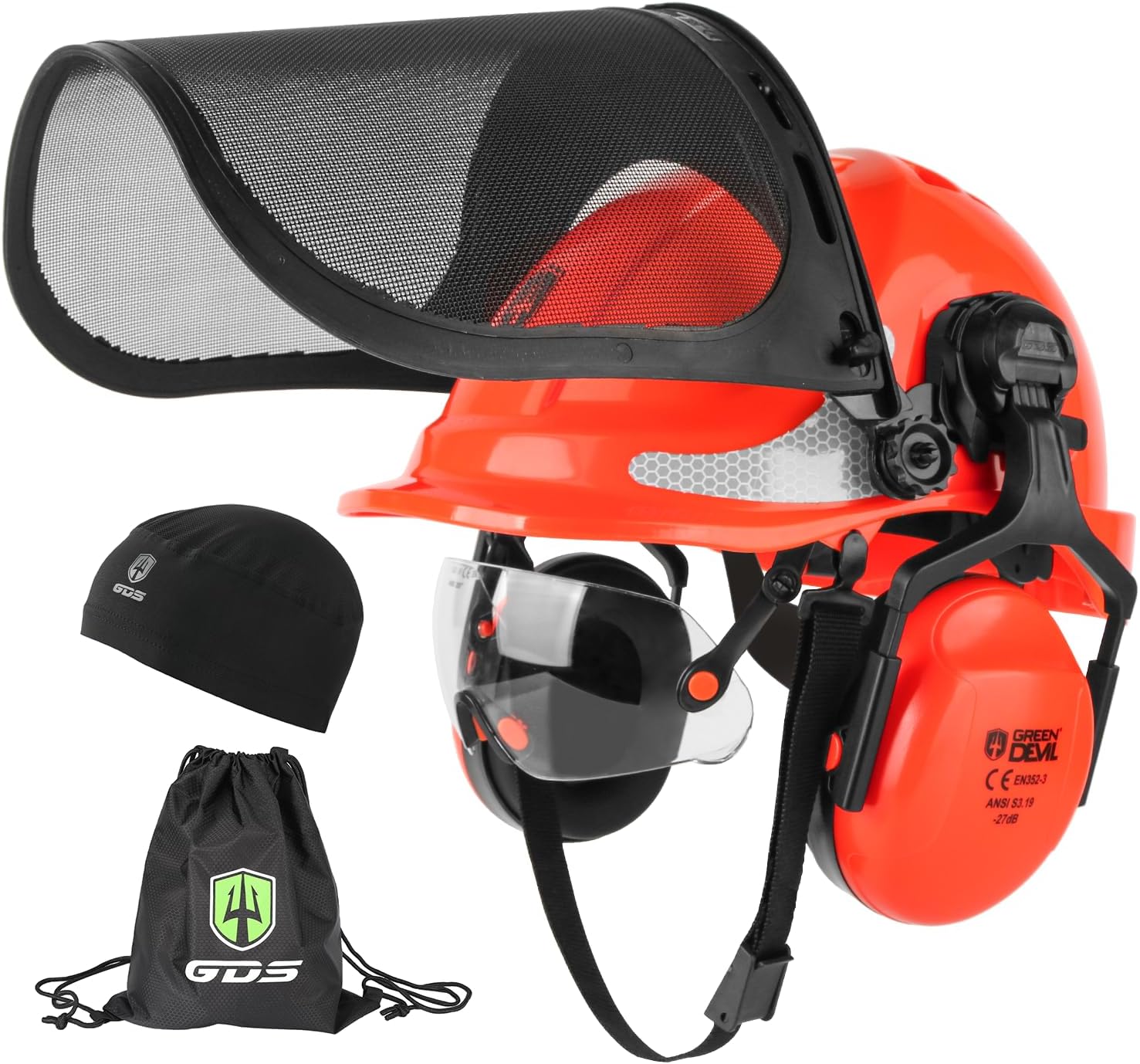 Green Devil 2910-F Chainsaw Safety Helmet |
8.9/10 | $41.99 | Check price |
| Most Popular |
 Vgo GA8912 Leather Chainsaw Gloves |
8.6/10 | $37.98 | Check price |
| Top Rated |
 Husqvarna 592752601 Forestry Helmet with Face |
8.8/10 | $79.99 | Check price |
| Also Great |
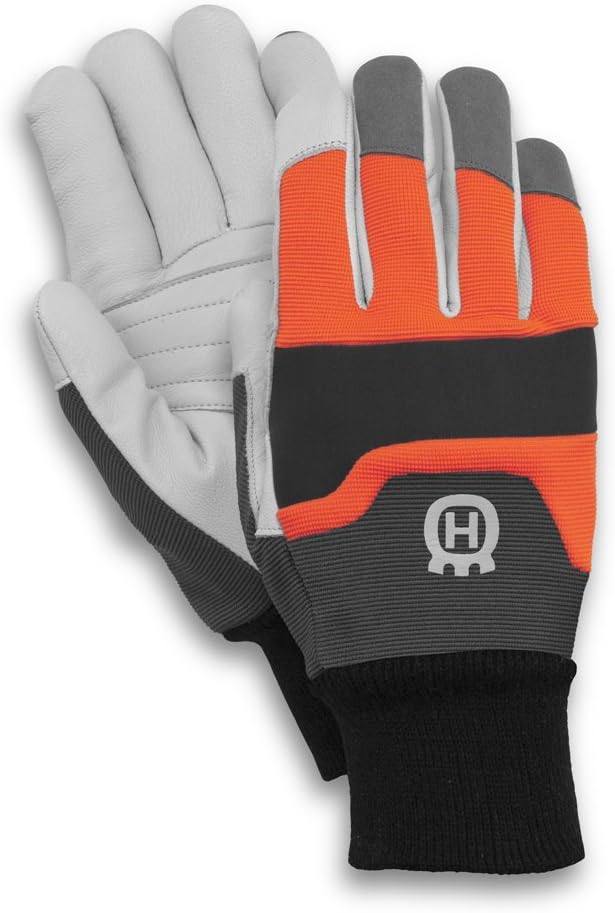 Husqvarna 529520001 Chainsaw Protection Gloves |
8.8/10 | $36.93 | Check price |
Oregon 563474-21 Safety Helmet with Visor Combo
This ANSI-certified protective helmet combo is designed for chainsaw and logging work, integrating a mesh visor and ear muffs into one system. Reviewers highlight its solid construction and the convenience of the flip-up visor, though some note the fit can be a bit bulky for smaller heads.
Pros
- ANSI Z89.1-2009 certified for safety compliance
- Integrated design includes protective visor and ear muffs
- Flip-up visor and detachable sun peak for versatility
- Six ventilation holes for breathability
- Lightweight yet impact-resistant construction
Cons
- Fit may feel bulky for some users
- Ear cup articulation might not suit all head shapes perfectly
Husqvarna 590091101 Classic Safety Kit with Chaps
This comprehensive safety kit bundles essential personal protective equipment for casual chainsaw users. It provides certified leg, head, and hand protection in a single, cost-effective package, making it a straightforward choice for new owners or as a gift.
Pros
- Includes all essential PPE (chaps, helmet, gloves) for basic chainsaw work in one kit.
- Chaps and helmet meet key ASTM, ANSI, and OSHA safety standards for certified protection.
- Helmet integrates hearing protection and a face shield, offering multi-point defense.
- High-visibility color enhances user visibility on job sites.
- Rated highly by users with a 4.7-star average from hundreds of reviews.
Cons
- Gloves are described as general-purpose, not specialized heavy-duty chainsaw gloves.
- Chaps are sized for a specific inseam (32 inches), which may not fit all users.
- Manufacturer warranty period is relatively short at 90 days.
Zelarman Chainsaw Chaps 8-Layer Protective Apron
These apron-style chaps provide robust, 8-layer leg protection for chainsaw operators, certified to meet U.S. safety standards. Their 1000-denier Oxford polyester construction is built for durability in forestry work, and the adjustable waist and length offer a customizable fit.
Pros
- Features 8-layer protective material for high cut resistance
- UL certified and complies with multiple U.S. safety standards (ASTM, OSHA, ANSI)
- Made from durable 1000-denier Oxford polyester
- Adjustable waist and length for a customizable fit
- Apron design covers the front of the legs from waist to ankle
Cons
- Medium weight and non-stretch fabric may limit mobility for some users
Forester Chainsaw Protective Pants
These Forester chainsaw protective pants focus on lightweight class A coverage without adding much bulk, weighing under 2.5 lbs. They add 360 lower-calf protection, reflective visibility, and zippered vents, which makes them a practical pick for forestry and arborist work.
Pros
- Lightweight build, under 2.5 lbs
- Class A protection up to the belt line with 360 lower-calf coverage
- Large zippered pockets for storage
- Expandable elastic sides and double waist closure for a more secure fit
- Reflective logo, water-resistant fabric, and zippered back leg vents
Cons
- Imported construction may matter to buyers who prefer domestically made gear
- Machine wash cold, hang dry care may be less convenient than low-maintenance workwear
Green Devil 2910-F Chainsaw Safety Helmet
This all-in-one ANSI-certified helmet integrates a hard hat, mesh face shield, visor, and ear muffs for comprehensive head and face protection. Its adjustable suspension and vented design aim for comfort during prolonged forestry or logging work.
Pros
- Comprehensive 4-in-1 design protects head, face, eyes, and ears
- ANSI-certified components ensure safety compliance
- Adjustable 6-point suspension and vented top for comfort
Cons
- One-size design may not fit all head shapes perfectly
Vgo GA8912 Leather Chainsaw Gloves
These left-handed chainsaw gloves are designed for professional-grade hand protection, meeting the EN ISO 11393-4 safety standard. They combine a goatskin leather palm with high-visibility, breathable fabric for dexterity in demanding tasks like logging and metalworking.
Pros
- Features a specialized chainsaw stopper patch on the left hand for cut resistance to a recognized safety standard.
- Premium goatskin leather palm offers comfort and dexterity for extended wear.
- High-visibility orange back and neoprene cuff with velcro provide a secure, adjustable fit.
- Versatile for various heavy-duty applications beyond chainsaw use.
Cons
- Protection is specifically designed for the left hand, which may not suit all users or tasks requiring ambidextrous safety.
- Requires careful maintenance, including storage away from sunlight and heat to avoid deformation.
Husqvarna 592752601 Forestry Helmet with Face
This comprehensive head protection system combines a durable HDPE helmet, a metal mesh face shield, and adjustable ear muffs into one unit. It's designed for forestry professionals and serious woodcutters who need certified, all-in-one safety gear. The helmet offers a highly adjustable six-point suspension and a sweat-wicking headband for comfort during long work sessions.
Pros
- Includes integrated face shield and hearing protection (24dB NRR) for comprehensive safety.
- Fully adjustable six-point suspension and ear muffs allow for a precise, comfortable fit.
- Made with PH-neutral, dermatologically reviewed materials for skin comfort.
- Meets and exceeds stringent ANSI and ISEA safety standards (Type I, Class E).
Cons
- The neck guard is not included and must be purchased separately for full protection.
- As a one-size-fits-all model, it may not accommodate all head shapes ideally.
Husqvarna 529520001 Chainsaw Protection Gloves
Designed for forestry work, these gloves offer critical cut resistance specifically in the left hand for chainsaw users. They combine a durable goatskin palm with a high-stretch spandex back and high-visibility colors for a secure, dexterous fit. Based on user reviews, they are noted for a positive fit and reliable protection.
Pros
- Cut-resistant protection in the left-hand glove, crucial for chainsaw safety.
- Durable goatskin palm with reinforced stitching and thumb for abrasion resistance.
- High-visibility colors and a reflective logo enhance safety in low-light conditions.
- Spandex fabric back provides a high-stretch, flexible, and comfortable fit.
- Free from common chemical irritants like latex, BPA, and phthalates.
Cons
- Water resistance is not a feature, which could be a limitation in wet conditions.
- The cut resistance is only specified for one hand, not both.
Best Chainsaw Protective Gear Buying Guide
Protection Coverage and Certification
The first thing to evaluate is how much of your body the gear protects and whether the coverage matches the kind of cutting you do. For chain saw chaps and pants, that usually means looking at the front and side protection zones, waist adjustability, and how the garment stays in place while you move. For helmets, face shields, and hearing protection, coverage should be complete without limiting your ability to see the cut line or hear what the saw is doing.
Certification matters because it gives you a standard to compare against instead of relying on marketing language. Gear that meets established safety standards is designed around impact, cut-resistance, or hearing protection expectations that are relevant to saw work. If you are new to this category, start with the most complete protective set you can wear consistently, then refine from there based on your workflow and climate.
A practical rule is to match the protection level to the task. Light pruning and occasional storm cleanup may not require the same setup as frequent felling or bucking. If you want a broader tool overview alongside safety gear, our Hand Saws & Pruning Saws page can help you compare when a non-powered cutting tool makes more sense.
Fit, Mobility, and Comfort
Even the most protective gear is only useful if you can wear it comfortably long enough to finish the job. A good fit prevents shifting, sagging, and pressure points, especially when you are bending, kneeling, or reaching across brush. Adjustable waist belts, suspenders, articulated knees, and ergonomic helmet suspensions can make a major difference in whether you keep the gear on from start to finish.
Mobility is especially important around the arms, shoulders, and legs. You need enough range of motion to control the saw safely, but not so much looseness that fabric gets snagged on limbs or branches. When comparing products, pay attention to whether the design is built for over-gear layering or for direct wear in hot conditions, because that can affect both comfort and safety.
For example, the fit profile of can be a useful benchmark if you want to see how a more structured piece of gear supports movement without feeling bulky. That kind of balance matters because chainsaw work often requires quick foot placement and stable body positioning more than raw coverage alone.
Cut Resistance and Material Construction
Material construction is one of the biggest differentiators in this category. Chainsaw chaps and pants often use layered fibers designed to help slow or stop chain contact, while gloves and jackets may rely on abrasion-resistant textiles and reinforced zones. The goal is not to make the gear indestructible, but to reduce the risk of severe injury if contact occurs.
Look for reinforced seams, strong closures, and consistent coverage from the upper thigh to the lower leg in leg protection products. For upper-body gear, areas around the forearms, chest, and shoulders deserve extra attention because those are common impact and abrasion points when you are working around brush or holding material in place. A well-built product should feel sturdy without becoming stiff enough to interfere with safe handling.
The construction style of is worth studying if you want an example of how durability cues show up in a safety-focused product. When you compare materials, think about whether you need maximum cut resistance, weather protection, or a more versatile layer that you can wear for longer sessions in mixed conditions.
Visibility, Hearing Protection, and Face Safety
Chainsaw work creates dust, chips, and noise, so eye, face, and hearing protection should be treated as core features rather than optional add-ons. A face shield can help block flying debris, but you should still make sure visibility remains clear enough to follow the cut line and watch for kickback risks. Likewise, earmuffs or integrated hearing protection should fit securely without forcing you to constantly readjust them.
When you are comparing helmets and face protection, check whether the visor is easy to raise and lower, whether the hearing protection seals well, and whether the overall setup works with glasses or prescription eyewear. High visibility colors can also improve awareness around other people on the property, which is especially useful when one person is cutting while another is clearing brush or feeding material.
| Feature | Why it matters | What to look for |
|---|---|---|
| Face shield | Helps block chips and debris | Clear sightline, easy lift, durable mesh or polycarbonate |
| Hearing protection | Reduces long-term noise exposure | Snug seal, comfortable padding, helmet compatibility |
| High-visibility accents | Improves awareness in busy work areas | Bright shell or trim, visible from multiple angles |
Weather Performance and All-Day Usability
Chainsaw work does not always happen in ideal weather, so your protective gear should be able to handle heat, moisture, and shifting conditions. In warmer months, breathability becomes important because overheating can lead to fatigue, and fatigue can lead to mistakes. In cooler conditions, layering compatibility matters more so that you can stay warm without sacrificing movement or visibility.
All-day usability also includes how easy the gear is to clean and store. Mud, sap, and sawdust build up quickly, especially on leg protection and gloves. Products that are easy to wipe down or maintain will last longer and are more likely to be used regularly, which is the real key to making any safety system effective.
Why You Should Trust Us
We evaluate products by comparing their stated features, construction details, category-specific safety relevance, and how well they align with the needs of typical chainsaw users. Our goal is to identify gear that offers meaningful protection, practical comfort, and good usability, rather than simply selecting the most heavily marketed option. We also look for clear product information so you can make a more informed decision.
We do not assume every product is the same, and we do not overstate what a listing can prove. Instead, we compare the available data across the lineup, note trade-offs, and recommend products based on how well they fit common use cases. That helps keep our guidance transparent, objective, and useful whether you are shopping for your first safety kit or replacing worn-out gear.
Final Thoughts
If you want the strongest all-around starting point, our best overall recommendation is because it sits at the top of this comparison and is the most balanced option for most buyers. It is the kind of choice that makes sense when you want a single setup that can cover routine cutting, cleanup work, and general yard maintenance without forcing you to piece together a more complicated kit.
For shoppers who want a more budget-conscious or value-oriented choice, is the best value pick from this list. It gives you another solid way to build a safe setup while keeping the buying decision straightforward. If you are shopping for a specific use case, stands out as the best for focused protection and movement support, especially when you want gear that better matches a more active cutting routine.
If you are still narrowing down your options, it can help to compare this guide with other equipment roundups in our Chainsaws & Saws category or explore broader cutting-tool choices in the Hand Saws & Pruning Saws section. That broader context can make it easier to decide whether you need more complete protection, a lighter setup, or a mix of both.
FAQs
What is the best chainsaw protective gear in 2026?
The best chainsaw protective gear in 2026 is the option that gives you the right balance of coverage, comfort, and visibility for the kind of cutting you do most often. If you are handling routine yard cleanup, a balanced setup is usually the smartest choice because you are more likely to wear it consistently. We recommend focusing on fit and coverage first, then deciding whether you need more specialized features.
Do I need full protective gear for occasional chainsaw use?
Even occasional saw use can involve kickback, flying debris, or slips on uneven ground, so some level of protective gear is strongly recommended. If you only cut a few times a season, prioritize the essentials first: leg protection, eye and face coverage, and hearing protection. The exact setup depends on your saw size, terrain, and the type of wood you usually cut.
How should best chainsaw protective gear fit?
best chainsaw protective gear should fit snugly enough that it stays in place during movement, but not so tight that it restricts bending, lifting, or turning. You want enough room to work safely while avoiding loose areas that could snag on branches or tools. For leg protection in particular, secure straps and a stable waistband are important for keeping the garment aligned.
What features matter most for chainsaw safety gear?
The most important features are cut resistance, secure fit, comfort, and visibility. If the gear is uncomfortable, you may stop wearing it, which defeats the purpose. For many users, a well-designed combination of leg protection, face protection, and hearing protection is the most practical way to stay safe while staying productive.
Where can I find related guides for outdoor cutting tools?
You can compare related tools and safety-focused buying guides in our Chainsaws & Saws category. That is a useful next step if you are deciding between powered cutting tools and manual saws for different jobs around your property.
About the author
Managing Editor & Buying Guides. Based in Asheville, North Carolina. Carolyn manages the editorial calendar and writes our buying guides. A long-time gardener in the Blue Ridge foothills, she knows how much fall leaf cleanup can wear on a yard, so blowers and vacuums are her specialty.