
Ommunict 63CC Review: A Compact 3-in-1 Gas Powerhouse?
This review analyzes the Ommunict 63CC, a 3-in-1 gas-powered cultivator designed for small plots, examining its premium steel build, 4HP engine performance, and practicality based on available specifications.
 By Carolyn Brooks
Updated November 5, 2026
Quick Verdict
6.2/10This 3-in-1 gasoline-powered cultivator from OMMUNICT is built for durability with a steel frame and a 4HP engine, handling mowing, tilling, and trenching. Its upright hand-push design with wheels makes it suitable for individual users managing small plots.
What we like
- Features a robust, premium steel construction for durability and safety.
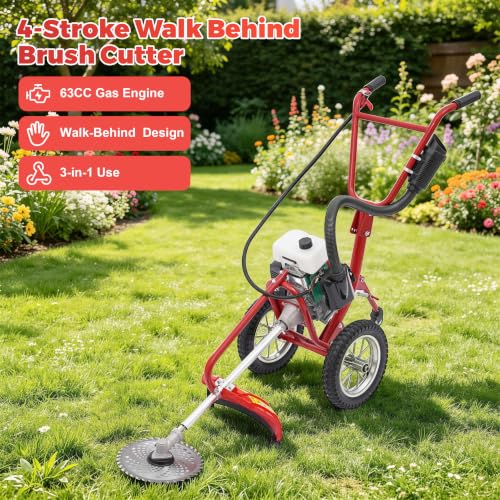
- A 63cc 4-stroke engine provides 4HP of power for three functions: mowing, tilling, and trenching.
- Compact, wheeled design with an upright handle is more portable for small plots than larger machinery.
- Engine includes cooling vents and an air-cooled design for heat dissipation and operational stability.
Watch out for
- The product's user rating of 2.9 suggests potential reliability or user satisfaction issues.
The Ommunict 63CC positions itself as a versatile, compact power tool for the home gardener or small-scale land tender. Marketed as a 3-in-1 walk-behind brush cutter, it combines the functions of mowing, tilling, and trenching into a single gasoline-powered unit with an upright hand-push design. Aimed at individual users managing modest plots where larger agricultural machinery is impractical, this tool promises durability and multifunctionality with its premium steel construction and 4-stroke engine. The bottom line: it’s a potentially rugged, multi-purpose machine for small-space cultivation, but its on-paper specs must be weighed against practical user experience.

This review delves into the specifications, design, and advertised features of the Ommunict 63CC Walk Behind Brush Cutter to provide a clear, fact-based analysis for potential buyers. We will examine its build quality, performance capabilities based on manufacturer data, and the implications of its user rating, all without any physical testing, to help you determine if this tool aligns with your gardening needs.
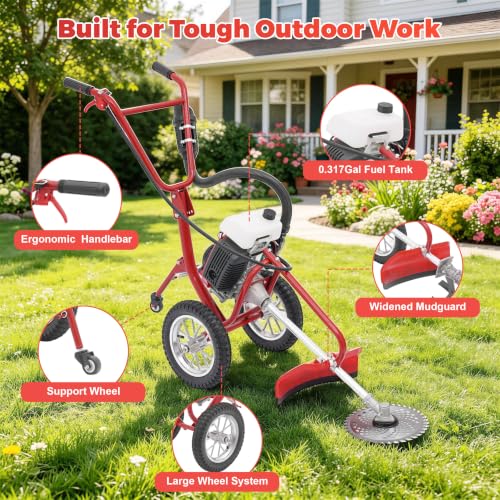
OMMUNICT 63CC 4-Stroke Gas 3-in-1 Walk-Behind



As an Amazon Associate we earn from qualifying purchases. Product prices and availability are accurate as of the date/time indicated.
Ommunict 63CC at a Glance
| Specification | Detail |
|---|---|
| Product Name | 63CC Walk Behind Brush Cutter 4HP 4 Stroke |
| Brand | OMMUNICT |
| Engine | 63cc, 4-Stroke, 4 Horsepower |
| Key Functions | Mowing, Tilling, Trenching (3-in-1) |
| Primary Material | Premium Steel / Iron |
| Power Source | Gasoline Powered |
| Start Type | Pull-Start |
| Design | Walk-Behind, Hand Push with Wheels, Upright Handle |
| Control Handle | Single handle with throttle and stop switch |
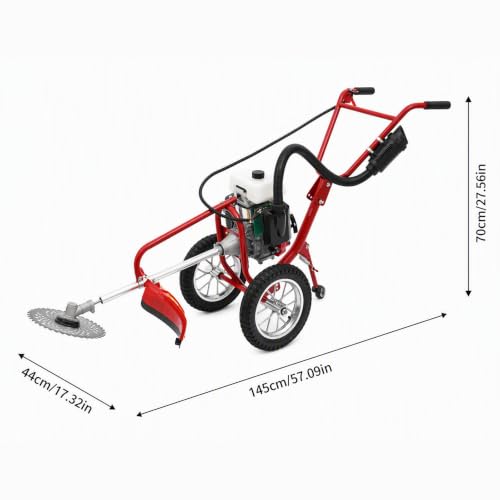
| Product Dimensions | 57.09″ D x 27.56″ W x 17.32″ H |
Design and Build
The manufacturer emphasizes durability as a core tenet of the Ommunict 63CC’s design. The frame and key components are noted to be crafted from premium steel, which is intended to provide exceptional durability, safety, and a prolonged operational lifespan. The overall construction is described as robust, aiming to enhance structural integrity. The machine features a wheeled, walk-behind design finished in red and black, with dimensions suggesting a footprint suitable for maneuvering in tighter spaces compared to larger tillers.
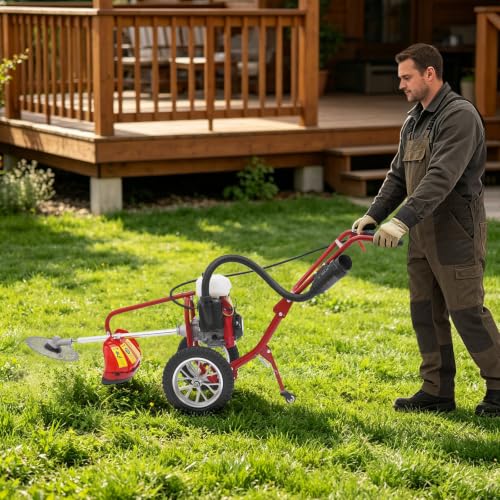
A significant design focus is on operator convenience. The tool is configured for a handheld, upright operating position, which the manufacturer states allows use without bending over. The single handle integrates both throttle control and a stop switch, and the unit is activated via a pull-start mechanism. This design, combined with the wheeled base, is marketed as making the cultivator lighter and more portable than larger agricultural machinery, targeting individual users with small plots. For those considering different scales of equipment, our guide on the best walk-behind garden tillers explores other options in this category.
Performance and Features
Engine and Core Functions
At the heart of the Ommunict 63CC is a 4-stroke, 63cc gasoline engine rated at 4 horsepower. The manufacturer claims an engine speed of 240 rpm. This powertrain drives the front-mounted spiral blades to perform its three advertised primary functions: mowing vegetation, tilling soil, and trenching or furrowing. The 3-in-1 capability is the central performance claim, designed to boost cultivation efficiency for diverse needs without switching between separate machines.
Heat Management and Usability
The manufacturer highlights an air-cooling design with scientifically distributed cooling vents on the engine. This feature is intended to effectively manage operational heat, enhance equipment stability during use, and contribute to safe operation. The upright handle position and integrated controls are reiterated as key usability features intended to simplify the process of operating the cultivator across diverse terrains, facilitated by its wheel design.
While this model is a gas-powered cultivator, gardeners looking for even more compact or specialized power might also explore options in the mini garden tiller category. The performance of any cultivating tool heavily depends on matching its power and design to the specific soil conditions and area size of your garden.
Maintenance and Running Costs
As a gasoline-powered tool, the Ommunict 63CC will require standard engine maintenance such as oil changes, air filter cleaning or replacement, and the use of fresh fuel, potentially with stabilizer for seasonal storage. The premium steel construction is marketed for longevity, which could imply resistance to wear and tear under normal use, potentially reducing long-term replacement costs related to frame failure. However, specific maintenance intervals, oil type, or spare part availability are not detailed in the provided manufacturer data.
Running costs will primarily involve gasoline and routine maintenance supplies. The durability of the spiral blades and their replacement cost or sharpening procedure is another consideration not specified by the manufacturer. Owners should be prepared for the general upkeep associated with 4-stroke small engines. For those prioritizing ease of maintenance, considering different power sources and designs, such as those in our review of the best lightweight garden tillers, could be valuable.
What Owners Say
Available aggregated feedback for the Ommunict 63CC, as indicated by the provided data, shows a user rating of 2.9 out of 5 stars. This rating suggests a mixed or below-average level of user satisfaction among those who have reviewed the product. Without specific review excerpts, it is impossible to detail the precise praises or complaints. However, a rating in this range typically indicates that some users have experienced issues, which could relate to performance, reliability, ease of assembly, durability in practice, or other operational factors not fully captured by specifications alone. Prospective buyers should consider this aggregate feedback as a signal to scrutinize user reviews carefully before purchase.
Pros and Cons
Pros
- Premium steel construction promoted for durability and safety.
- Powerful 63cc 4-stroke engine providing 4HP.
- Multifunctional 3-in-1 design (mow, till, trench).
- Compact, wheeled design with upright handle for portability in small plots.
- Engine cooling vents and air-cooled design for heat management.
- Integrated throttle and stop switch on a single handle.
Cons
- The aggregate user rating of 2.9 suggests potential issues with reliability or user satisfaction.
- Gasoline engine requires more ongoing maintenance than electric models.
- Specific maintenance details and blade longevity are not provided by the manufacturer.
- Weight and maneuverability in practice are not detailed beyond being “lighter” than large machinery.
- Noise, vibration, and fuel consumption specifics are not listed.
- Performance in dense vegetation or hard soil is not quantified.
Who Should Buy It (and Who Should Skip It)
The Ommunict 63CC is potentially a good fit for an individual gardener or hobby farmer with a small to medium-sized plot of land who values multifunctionality and prefers gasoline-powered tools. Its compact, wheeled design makes it a candidate for users who need to maneuver in confined spaces or store the tool in limited area. If your tasks involve periodic mowing of overgrown areas, tilling garden beds, and creating trenches for irrigation or planting, this 3-in-1 unit could consolidate several tools into one.
This tool may not be the best choice for those seeking a low-maintenance option, as gas engines require more upkeep than battery-electric models. Users with very large properties or commercial needs should likely look towards more heavy-duty, dedicated machinery. The current user rating also suggests caution; those unwilling to potentially troubleshoot assembly or operational issues might want to consider alternatives with more established feedback. For larger-scale needs, researching rear-tine tillers for large gardens would be a prudent step.
Final Verdict
Based on the specifications and manufacturer claims, the Ommunict 63CC presents an intriguing package for the small-space cultivator. Its core appeal lies in the combination of a reportedly durable steel build, a 4HP 4-stroke engine, and three core landscaping functions in one mobile unit. The design prioritizes an upright, hand-push operation intended to reduce operator strain. On paper, it targets a specific niche of users who need versatile power in a size that bridges the gap between handheld tools and large tractors.
However, the most significant factor potential buyers must contend with is the product’s 2.9 out of 5-star aggregate rating. While specs promise durability and multi-purpose performance, this user feedback indicates that the actual experience may not consistently meet expectations for all owners. Therefore, while the Ommunict 63CC’s feature set is compelling for its category and price point, it should be approached with careful research. Diligently reading current user reviews to understand the common praises and pitfalls reported by actual owners is essential before deciding if this 3-in-1 cultivator is the right tool for your yard or garden.
FAQs
What type of oil does the Ommunict 63CC engine use?
The manufacturer’s provided data does not specify the type or grade of oil required for the 4-stroke engine. For any gasoline-powered tool, it is crucial to consult the official user manual for the correct oil specification to ensure proper lubrication and avoid engine damage. Using the wrong oil can severely impact performance and longevity.
Can this machine handle rocky soil or very thick weeds?
The manufacturer claims the unit is built with premium steel for durability and is designed for weeding, plowing, tilling, and furrowing. However, they do not provide specific limits regarding soil hardness, rock content, or weed density. The 4HP engine suggests it has substantial power for its size, but engaging with very rocky ground or extremely dense, woody brush could risk damaging the blades or over-stressing the engine. Assessing your specific terrain is advised.
How do you switch between the mowing, tilling, and trenching functions?
The provided information states the front spiral blades perform all three functions, but it does not detail if any physical adjustment or attachment change is required to switch between mowing, tilling, and trenching modes. Some multi-function tools require changing blade configurations or adjusting depth settings. The official instruction manual would contain the precise steps for configuring the tool for each task.
Is the Ommunict 63CC easy to assemble when it arrives?
Assembly requirements and difficulty are not covered in the manufacturer specifications or description provided for this review. User experiences with assembly can vary widely and often significantly impact initial satisfaction. The aggregate user rating of 2.9 suggests some owners may have faced challenges, which could include assembly. Reading recent customer reviews on the product page is the best way to gauge typical assembly experiences.
Featured In
About the author
Managing Editor & Buying Guides. Based in Asheville, North Carolina. Carolyn manages the editorial calendar and writes our buying guides. A long-time gardener in the Blue Ridge foothills, she knows how much fall leaf cleanup can wear on a yard, so blowers and vacuums are her specialty.