
The 4 Best Gas Powered Lawn Edgers of 2026
Gas powered lawn edgers help create crisp, clean borders along driveways, sidewalks, and flower beds. This roundup highlights 4 standout options from Mclane, WILDBADGERPOWER, GOODJOB in November 2026.
 By admin
Updated October 27, 2026
If you need clean, precise edges along driveways, sidewalks, and garden beds, choosing the right tool matters more than most homeowners expect. This guide to the best Gas Powered Lawn Edgers helps you narrow down the options, understand the tradeoffs between power and control, and pick a model that fits your yard care routine without wasting time or effort.
We organized this roundup to make comparison easier, especially if you are deciding between heavier-duty cutting power and easier handling for routine trimming. If you also maintain other parts of your yard, you may want to compare this category with our Lawn Care Tools hub for related equipment and buying advice.
| Award | Product | ACMS Score About LAT ScoreACMS Score is calculated based on product ratings, reviews, and sales performance to help you make informed purchasing decisions. | Price | |
|---|---|---|---|---|
| Top Rated |
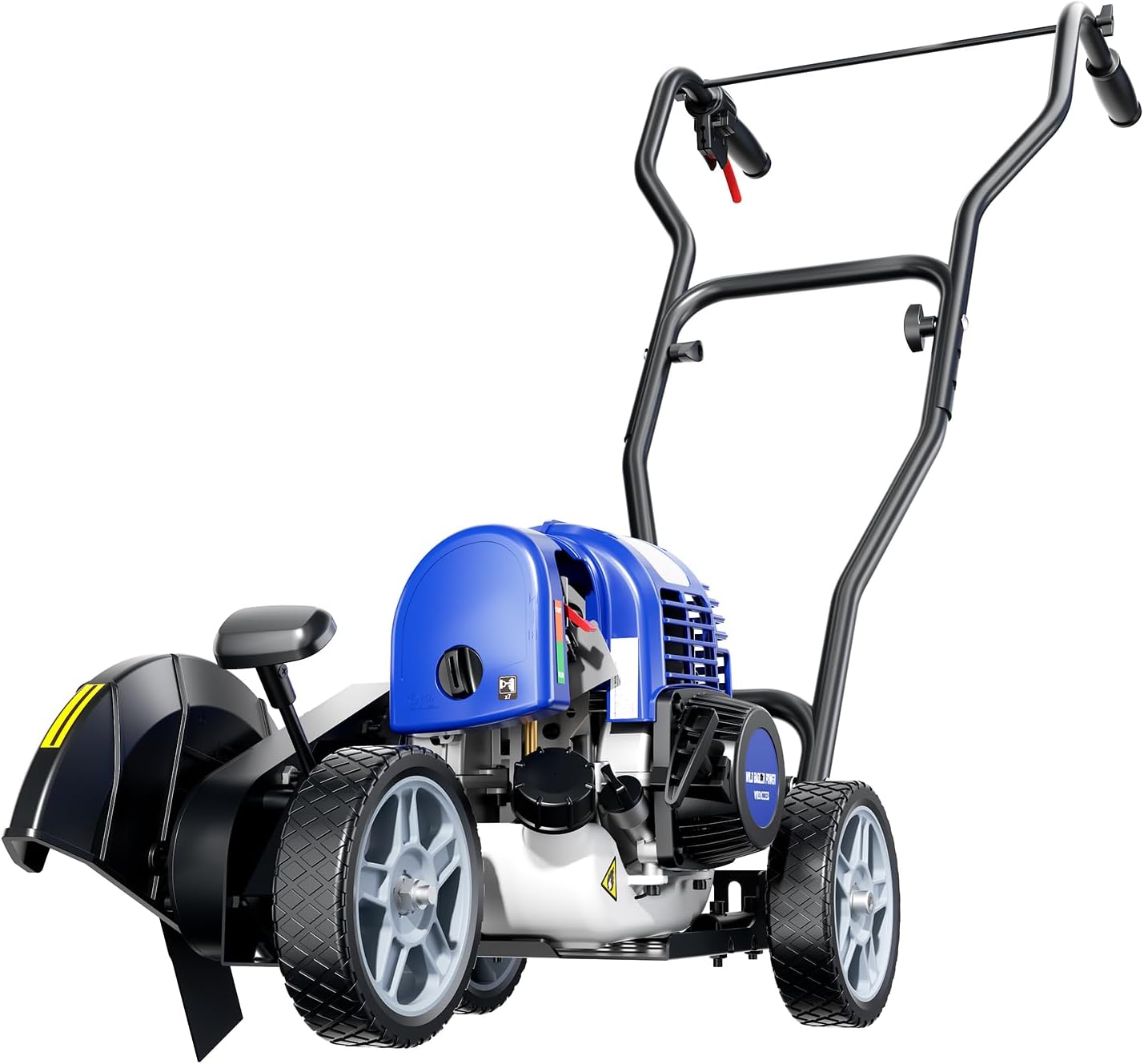
Wild Badger Power WB31CCED 31cc Walk-Behind Edger
|
7.2/10 | $218.81 | Check price |
| Best Overall |
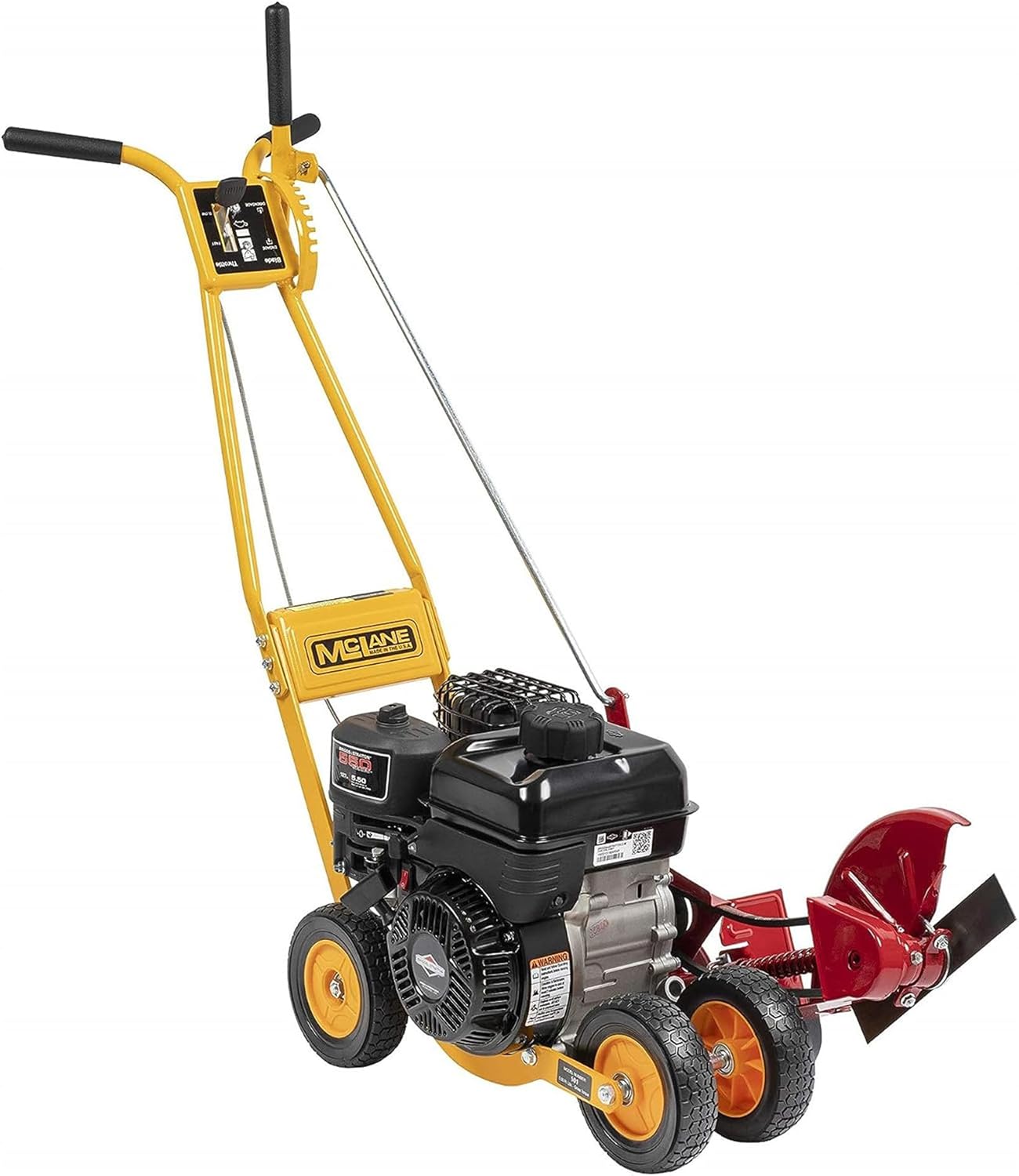 McLane 101-5.5GT Gas Walk-Behind Edger |
8.1/10 | $851.91 | Check price |
| Best Value |
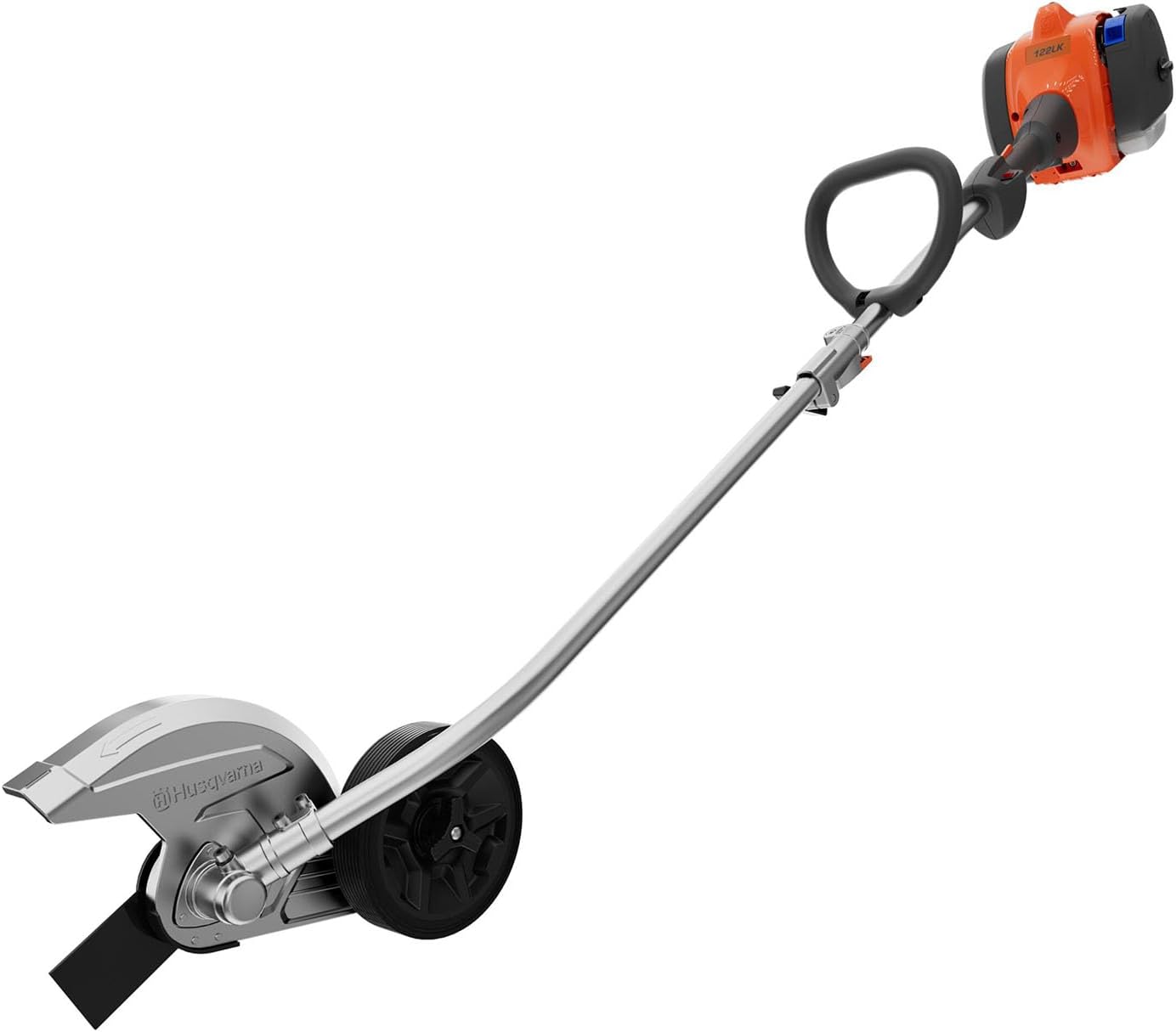 Husqvarna 122LKE Gas Edger with 6-Inch Wheel |
7.2/10 | $239.99 | Check price |
| Best Budget |
 GOODJOB GB-DLE22A-2MG 20V Lawn Edger |
7.6/10 | $129.99 | Check price |
Wild Badger Power WB31CCED 31cc Walk-Behind Edger
A gas-powered walk-behind edger designed for creating sharp lines along concrete sidewalks, paved driveways, and long borders. It offers stable, wheeled control and a 31cc 4-cycle engine that eliminates the need for fuel mixing, making it a consideration for homeowners prioritizing power and straightforward maintenance over lighter handheld options.
Pros
- No gas-oil mixing required with the 4-cycle engine.
- Five adjustable cutting depths for different edging tasks.
- Stable, walk-behind design is suited for long, straight edges.
- Includes a 3-year limited warranty and customer support.
Cons
- Heavier than handheld models at nearly 30 pounds.
- Manual operation and gas power require more effort and upkeep than electric alternatives.
- The 3.6-star rating suggests some users have experienced issues.
McLane 101-5.5GT Gas Walk-Behind Edger
This gas-powered walk-behind edger is built for precision and durability, featuring a 5.5 gross torque engine and a spring steel blade that cuts vertically or horizontally. Its wide rubber tires and ability to ride on curbs make it a solid choice for maintaining crisp edges around driveways and sidewalks.
Pros
- Powerful 5.5 gross torque Briggs & Stratton engine
- Heavy-duty steel frame with dual cutterhead bearings for smooth operation
- Versatile blade tilts to almost any angle for vertical and horizontal cuts
- Wide, ball-bearing rubber tires provide stability on various surfaces
- Made in the USA and meets established safety standards
Cons
- Relatively heavy at 0.27 grams, which may affect maneuverability for some users
- Gas-powered operation requires fuel management and produces emissions
Husqvarna 122LKE Gas Edger with 6-Inch Wheel
This gas-powered edger is designed for homeowners seeking a clean, professional-looking lawn border. Its large adjustable wheel and ergonomic curved shaft aim to make edging easier and more comfortable. The tool stands out for its attachment capability, allowing it to convert into a hedge trimmer or pole saw with separate attachments.
Pros
- Gas-powered for cordless mobility and consistent power.
- Features a 6-inch adjustable wheel for smooth, stable operation over uneven ground.
- Ergonomic curved shaft is designed to improve balance and reduce user fatigue.
- Attachment-capable system offers multi-purpose functionality (attachments sold separately).
- Includes Smart Start technology for easier engine starting.
Cons
- Weighs 13.6 pounds, which may be heavy for some users during extended tasks.
- A 3.6-star rating from 61 reviews suggests mixed customer experiences.
GOODJOB GB-DLE22A-2MG 20V Lawn Edger
GOODJOB’s cordless lawn edger pairs two 20V batteries with a 9-inch steel blade, making it a practical option for trimming lawn edges, sidewalks, and driveways. Its lightweight 4.5-pound build, adjustable cutting depths, and dual guide wheels make it easier to control along curves and straight borders alike.
Pros
- Includes two 2.0Ah 20V batteries and a fast charger for shorter charging pauses.
- 400W motor with a 3500 RPM blade speed for cutting grass, turf, and roots.
- Three cutting-depth settings help with light edging or deeper trenching.
- At 4.5 pounds, it should be easier to handle during longer trimming sessions.
- Dual guide wheels and a rotatable auxiliary handle improve edging control.
Cons
- 40-minute total runtime may be short for larger properties.
- Best suited to edging and light trenching rather than heavy-duty yard work.
Best Gas Powered Lawn Edgers Buying Guide for 2026
Buying a gas-powered edger is less about chasing the most aggressive engine and more about matching the machine to your landscape. A compact residential yard with a few straight borders usually needs a different balance than a larger property with frequent edging work, uneven soil, or long driveway runs.
Because these tools are built for defined cuts, the best choice usually comes down to torque, balance, blade depth, and comfort during extended use. Below, we break down the most important criteria so you can compare models with a clear checklist instead of relying on marketing claims alone.
Engine Power and Cutting Performance
Engine output is one of the first things to evaluate because it influences how confidently the edger cuts through packed soil, overgrown turf, and root-tangled border lines. A stronger gas engine generally helps the blade stay consistent when you encounter hard-packed edges or older landscaping that has not been maintained regularly.
That said, more power is not automatically better for everyone. If your yard has lighter edging needs, a machine that is easier to guide may be more practical than a heavier unit with extra force. For a broader comparison of yard-care gear, our Edgers & Trimmers category page is a useful place to start.
| What to Compare | Why It Matters | Best For |
|---|---|---|
| Engine responsiveness | Helps the blade stay steady in dense turf | Thicker, tougher edging jobs |
| Torque delivery | Improves cutting consistency under load | Soil-packed borders and older lawns |
| Startup behavior | Reduces frustration before each session | Frequent home use |
If you edge only once in a while, prioritize a model that starts reliably and maintains a predictable cut line. If you edge regularly, a stronger engine can save time by reducing the number of passes needed to clean up the border.
Blade Depth, Guide Alignment, and Cut Control
Precise edging depends on more than raw power. The blade depth setting determines how aggressively the edger reaches into the turf, while guide alignment helps keep the cut line straight along concrete, pavers, and garden borders. If either of these is poorly designed, the result can be a jagged edge or unnecessary scalping.
When comparing models, look for easy-to-adjust depth control and a design that keeps the blade tracking predictably. A stable front wheel or guide system can make a noticeable difference, especially when you are working around curved walkways or decorative beds. The goal is not just cutting, but cutting consistently.
The is a useful example of why cut control matters: when the edge stays aligned, you spend less time fixing uneven sections afterward. That kind of control is especially valuable if you want a crisp finish along a long driveway or a visible front-yard border.
Weight, Balance, and Ease of Handling
Gas edgers often feel more substantial than electric options, so balance becomes a major part of real-world usability. If a machine feels nose-heavy or awkward in the hands, you will notice it quickly during longer sessions, especially if you have several border sections to finish in one pass.
We recommend thinking about how the tool will feel after ten or fifteen minutes of use, not just how it looks in a product listing. A well-balanced edger can reduce fatigue and improve line control, which is particularly helpful on properties where you move from straight edging to tighter curves and back again.
The is a good reference point here because balance and handling can matter as much as cutting power. If you are comparing several models, pay attention to how the handle position and front support influence comfort during repetitive trimming work.
Durability, Maintenance, and Long-Term Ownership
Gas-powered tools require more upkeep than many homeowners expect, so durability and maintenance access should be part of your decision. You will want a model that makes it easy to handle routine care such as cleaning the blade area, checking wear points, and keeping the engine ready for seasonal use.
Long-term value is not only about how well the machine cuts today. It is also about whether the design supports dependable operation after repeated starts, storage between seasons, and regular yard cycles. If you are building out a broader tool kit, our Lawn Sweepers category can also help you pair edging with cleanup tools for a more complete lawn-care routine.
Use Case Fit: Small Yards vs Larger Properties
The right edger for a small suburban yard may be very different from the right edger for a larger property with extended borders. Smaller landscapes often benefit from simple handling and quick startup, while bigger yards tend to reward better stamina, stronger cutting performance, and less need for repeated passes.
A simple way to decide is to estimate how much edging you do in one session. If you only handle a few short borders, convenience matters most. If you tackle long driveway edges, multiple beds, or uneven border lines, prioritize a tool that can stay consistent across the whole job without forcing you to slow down or stop frequently.
| Yard Type | What to Prioritize | Buying Focus |
|---|---|---|
| Small residential | Easy handling, quick setup | Comfort and control |
| Medium suburban | Balanced power and precision | Versatility |
| Larger property | Cutting consistency and endurance | Stronger performance |
Why You Should Trust Us
We evaluate products by comparing available product data, feature sets, positioning, and category-specific usefulness rather than making assumptions based on brand recognition alone. Our approach is designed to be transparent and practical, so you can understand why a model appears in this roundup and what type of user it best serves.
We also organize recommendations around real decision points such as control, durability, ease of use, and suitability for different yard sizes. That means our guidance is intended to help you compare options objectively, not to oversell any single machine or rely on vague claims that do not help you choose.
Final Thoughts
For the best overall pick, we recommend because it leads this lineup and represents the strongest all-around starting point for shoppers who want a dependable gas-powered edging solution. If your priority is a model that can anchor a full comparison without overcomplicating the buying process, this is the first product we would shortlist.
If you want the best value-style option, is a smart place to look because value is about more than just cost. A good value pick balances useful features, manageable handling, and enough capability to finish routine edging without feeling excessive for everyday use.
For a more specific use case, stands out as a strong choice for homeowners who care most about clean, controlled edge lines. If you are still narrowing down the right fit, you can also explore our Lawn Care Tools category or revisit the broader Edgers & Trimmers section for more comparisons.
FAQs
What is the best gas powered lawn edgers in 2026?
The best gas powered lawn edgers in 2026 depends on your yard size, how often you edge, and how much control you want over the cut line. If you want an all-around starting point, we recommend focusing on the top-ranked product in this guide and comparing it against your own needs for handling and power. For a broader look at outdoor maintenance categories, our Lawn Care Tools page is a helpful next step.
Are gas powered lawn edgers better than electric models?
Gas models are often better when you need stronger cutting performance and longer runtime without worrying about cords or charging. They can be especially useful on larger properties or on borders that have become thick and uneven over time. Electric models may still be a better fit if you prioritize lighter handling and lower maintenance.
How do I choose the right Best Gas Powered Lawn Edgers for a small yard?
For a small yard, prioritize comfort, easy starting, and predictable control over maximum power. A lighter, better-balanced tool usually makes routine edging faster and less tiring. If your borders are short and simple, you do not need to overbuy on features you will rarely use.
How often should I edge my lawn?
Most homeowners edge when the border starts to blur, which often means every one to three weeks during active growing periods. The right schedule depends on grass growth, rainfall, and how quickly your edges lose definition. Keeping up with edging regularly also makes each session easier because the blade does not have to cut through as much overgrowth.
What should I look for if I want less fatigue during long edging sessions?
Look for balanced weight distribution, a comfortable grip, and controls that do not force awkward hand positions. A model that tracks straight without constant correction will also reduce strain. If you are comparing options for a larger yard, focus on how the machine feels over time rather than just how forcefully it cuts at first glance.
About the author

admin writes reviews and buying guides for LAT Review.