
How to Use a Leaf Blower on Wet Leaves: A Practical Guide
Struggling to move wet leaves? Learn when to wait, which nozzle to use, how to adjust speed and angle, and which blower type handles moisture best.
 By admin
Updated October 28, 2026
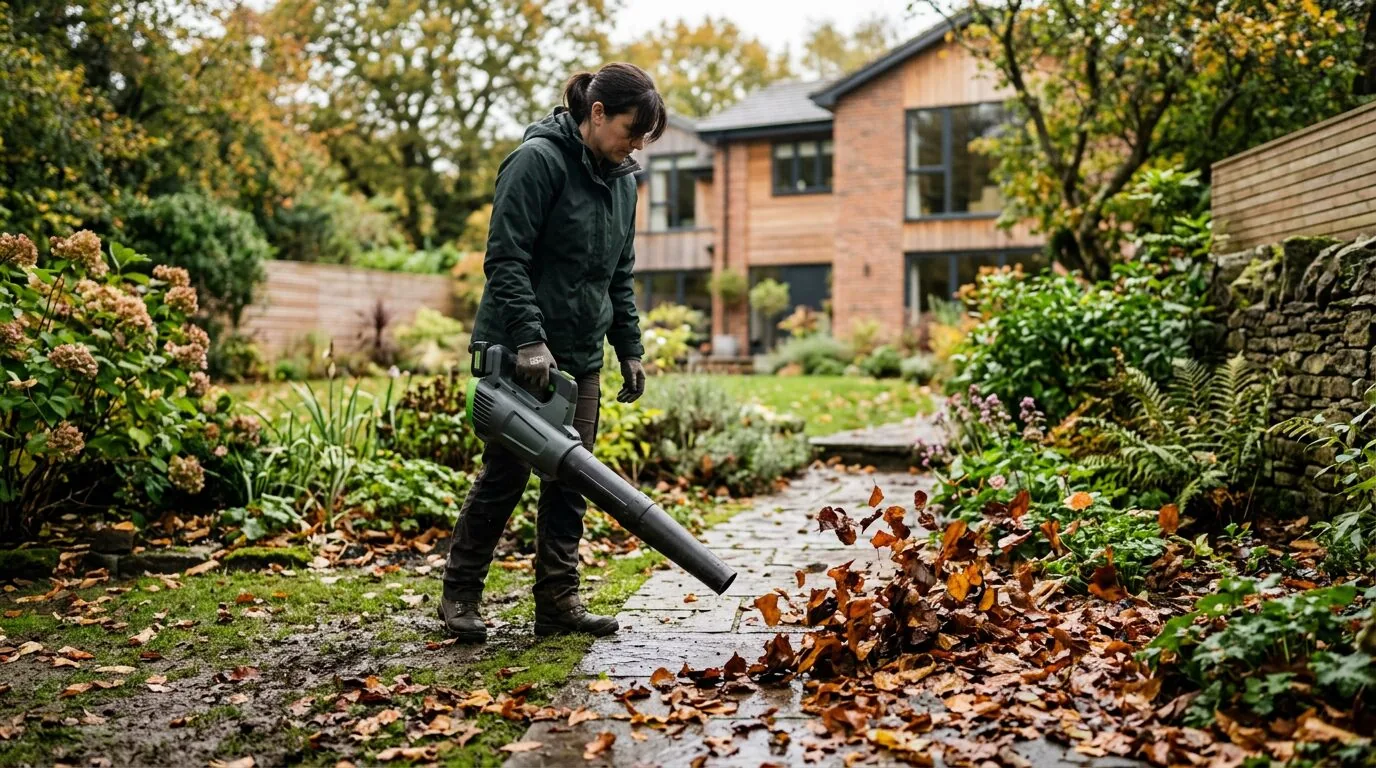
Wet leaves are a stubborn adversary for any yard worker. They clump together, stick to pavement, and resist the airflow of most leaf blowers.
But with the right technique, you can still move them efficiently without waiting for a full sunny day.
This guide covers practical tips on when to blow, which nozzle to use, how to adjust your speed and angle, and what kind of blower handles moisture best.
Whether you own a gas model or a cordless electric unit, these strategies will save you time and frustration.
When to Wait and When to Blow
Not all wet leaves are created equal. A light dew or morning mist is manageable. But after a heavy rain, leaves become waterlogged and heavy. In that case, waiting a few hours can make a big difference.
If the leaves are merely damp from humidity or light drizzle, you can proceed. However, if they are soaked through, consider postponing until they dry slightly.
Blowing waterlogged leaves not only strains your blower but also risks clogging the nozzle and scattering mud.
Check the underside of a few leaves. If they are still wet but not dripping, you can likely move them. If they stick to the ground when you try to lift them with a rake, wait.
Choose the Right Nozzle for Wet Leaves
Most leaf blowers come with a standard flat nozzle and a concentrator nozzle. For dry leaves, the flat nozzle gives a wide path. For wet leaves, switch to the concentrator nozzle.
This narrow opening increases air velocity, which helps break up clumps and lift heavy leaves. Some blowers also offer a vacuum function; use the vacuum tube only for dry leaves, as wet leaves will quickly clog it.
If your blower has variable speed, set it to a higher than usual setting. The extra force is needed to dislodge wet leaves from the ground.
Adjust Your Speed and Angle
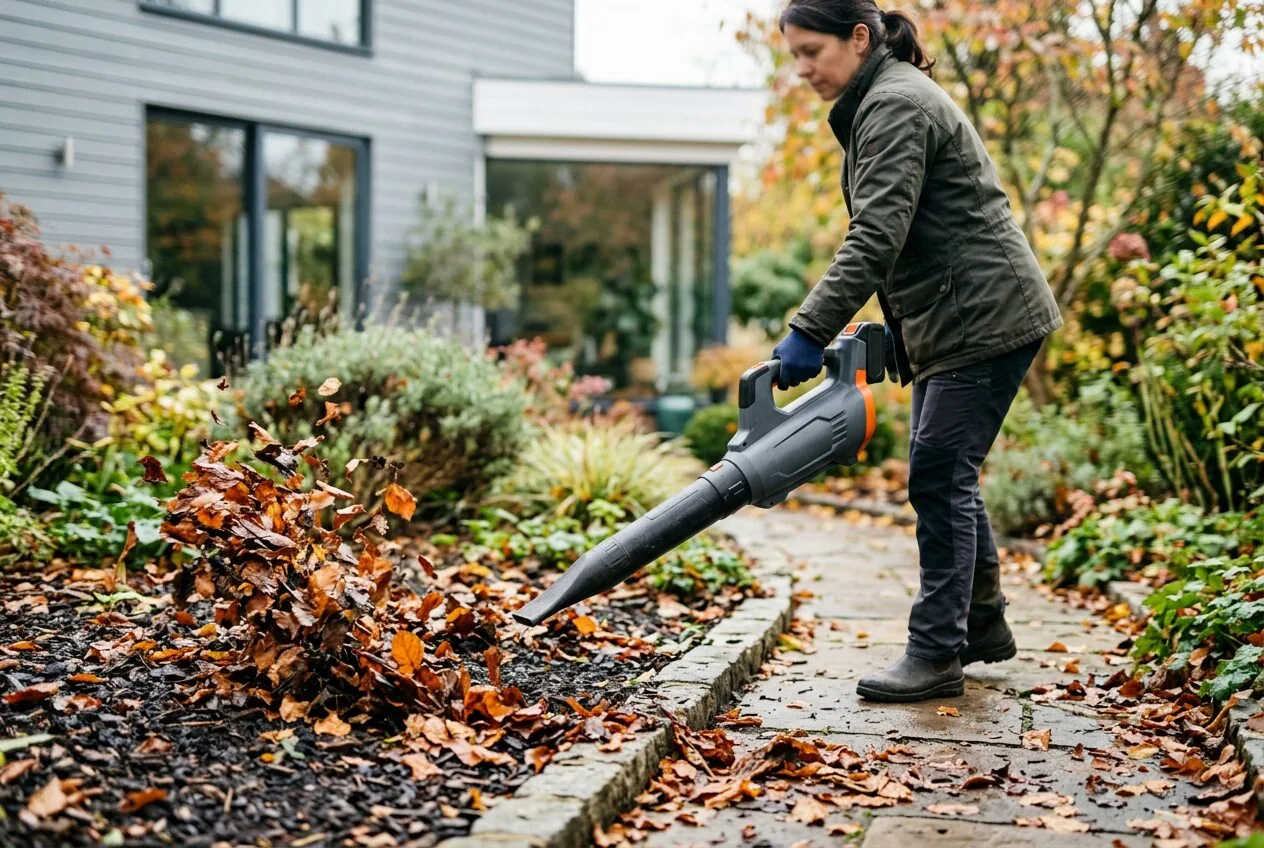
When blowing wet leaves, do not try to move them all at once. Use a sweeping motion from side to side, keeping the nozzle at a low angle (around 30 to 45 degrees to the ground).
This directs airflow under the leaves to lift them rather than pushing them into the ground. Move slowly; rushing only makes the leaves stick harder.
Work in sections. Start at the edges of a pile and gradually push the leaves toward the center or a collection area. If leaves are matted together, use a gentle scraping motion with the edge of the nozzle to break them apart before blowing.
Which Type of Leaf Blower Works Best on Wet Leaves?
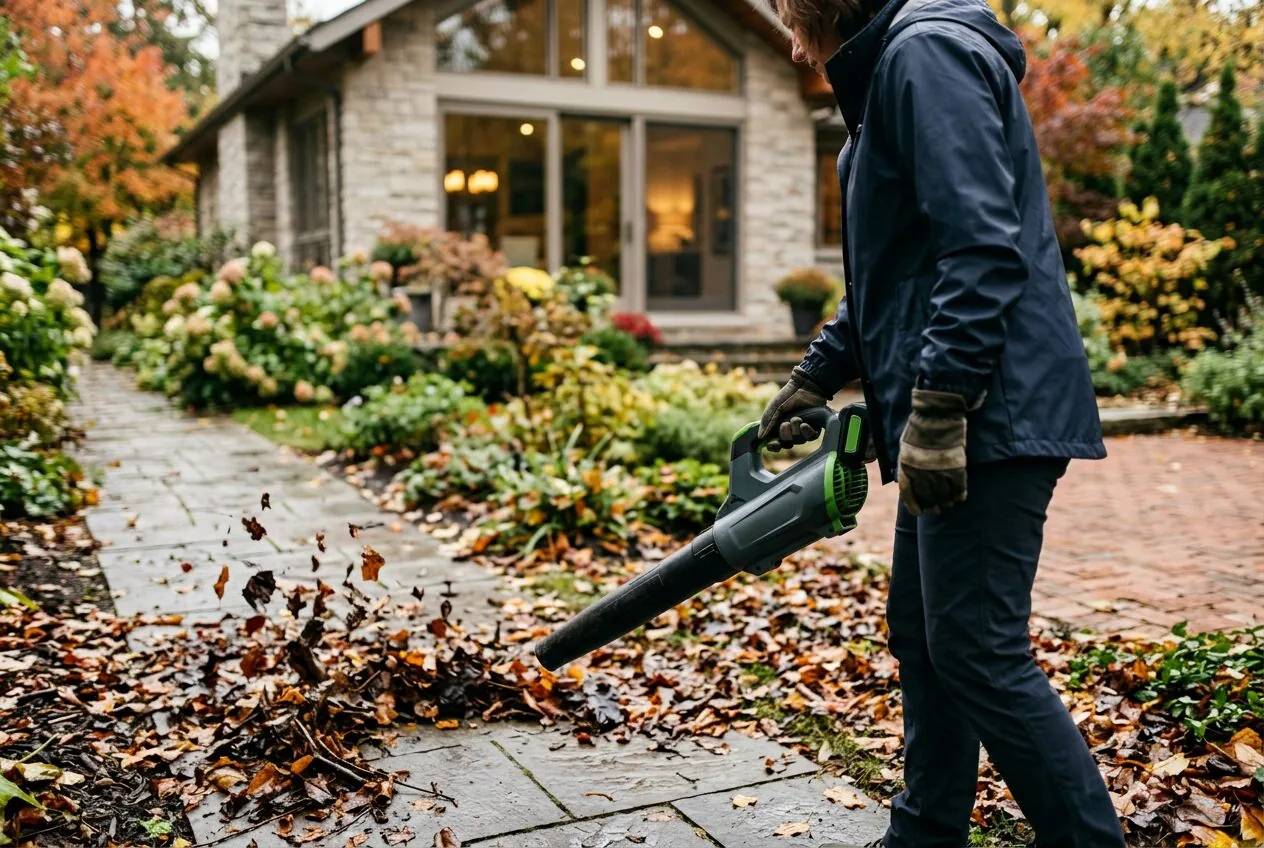
Not all blowers are equally effective on wet leaves. In general, handheld gas leaf blowers offer the highest air speed and volume, making them the most capable for heavy, wet piles.
They generate enough power to cut through wet clumps without stalling. However, they are louder and heavier.
On the other end, cordless electric leaf blowers are lighter and quieter, but may struggle with very wet leaves unless you have a high-voltage model with a turbo mode. For occasional light dampness, a cordless unit is fine.
If you routinely deal with soggy fall leaves, a gas model will save you time.
Additional Tips for Wet Leaf Blowing
- Wear waterproof boots and pants. Wet leaves throw moisture and debris.
- Work with the wind direction to avoid blowing leaves back into your face.
- Break large wet piles into smaller ones before blowing to prevent overloading the blower.
- Use a leaf rake to loosen matted leaves before blowing if they are stuck to the ground.
- Consider mulching wet leaves with a mower if your blower is struggling. Mulching incorporates nutrients into the lawn.
Frequently Asked Questions
Can you use a leaf blower on wet leaves without damaging it?
Yes, as long as you don’t force the engine to work too hard. Avoid clogging the intake with wet debris. Use a concentrator nozzle and moderate speed to reduce strain.
Is it better to wait until leaves are dry?
Usually yes. Dry leaves are much lighter and easier to move. But if you need to clear them quickly, following the tips above will help.
What type of leaf blower is strongest for wet leaves?
Gas handheld blowers typically produce the highest air speed and volume, making them the best choice for heavy wet leaves. Cordless electric models with high voltage and turbo modes can also work but may require more passes.
How do you prevent the nozzle from clogging with wet leaves?
Use the concentrator nozzle, and avoid vacuum mode. If debris gets stuck, turn off the blower and clear the nozzle manually. Regular cleaning after use also helps.
Can you use a leaf blower on wet grass clippings?
Similar principles apply. Wet grass clippings are heavy and sticky. Use a concentrator nozzle, high speed, and a low angle. Blow in dry conditions for best results.
About the author

admin writes reviews and buying guides for LAT Review.