
Why Your String Trimmer Keeps Breaking Line and How to Fix It
If your string trimmer keeps breaking line, common causes include wrong line type, improper loading, hitting hard surfaces, or a worn trimmer head. Learn how to fix each issue.
 By admin
Updated November 5, 2026
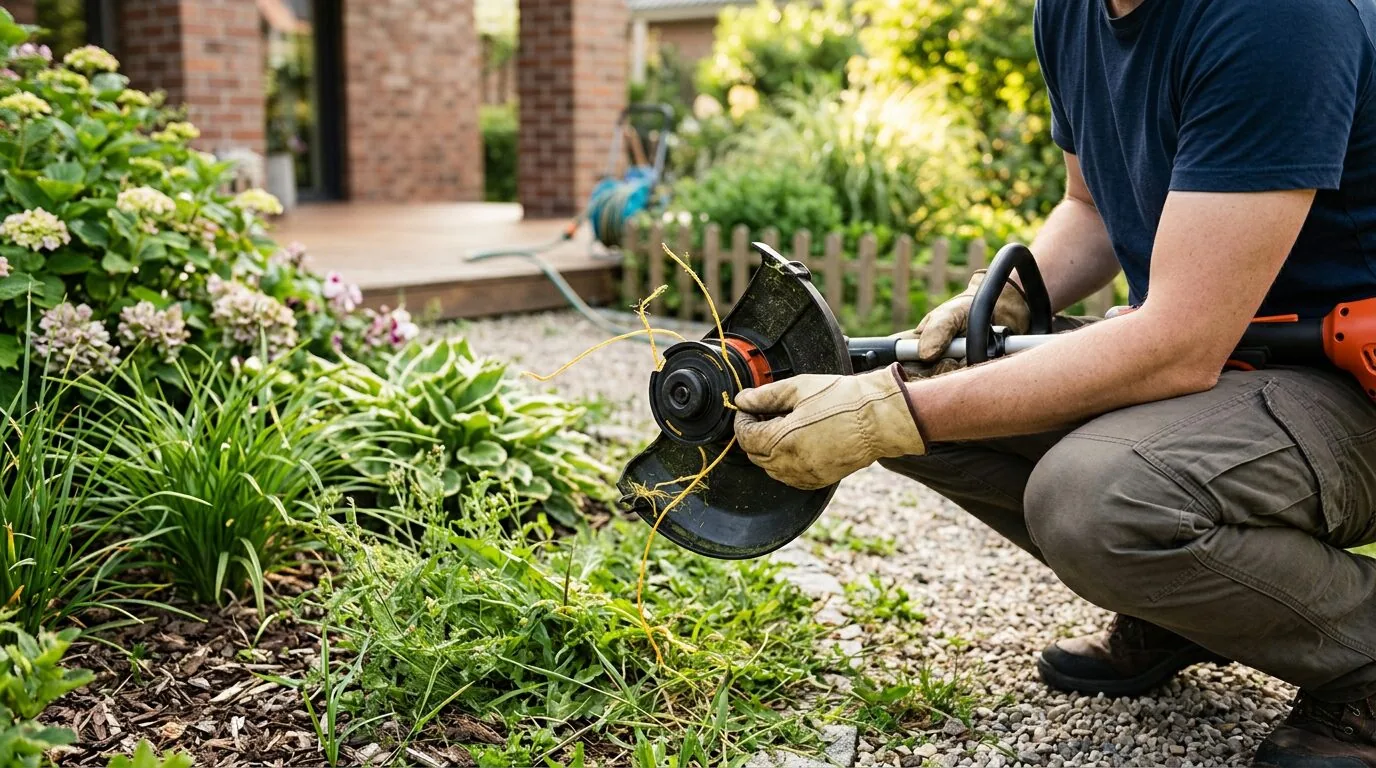
If your string trimmer keeps breaking line, you are likely frustrated by constantly stopping to reload or feed more trimmer line.
This common problem usually has a straightforward explanation: the line is striking hard surfaces, the wrong type or diameter is loaded, or the trimmer head is worn.
In this guide, we will walk through the most common reasons trimmer line snaps and how to address each one.
By the end, you will understand what is causing the breakage and how to keep your trimmer running smoothly for longer sessions.
1. Use the Right Diameter and Type of Trimmer Line
One of the most frequent reasons trimmer line breaks is using line that is too thick or too thin for your specific trimmer model. Check your owner’s manual for the recommended line diameter (usually given in inches or millimeters).
Using a line that is too thick can cause the trimmer head to jam, while a line that is too thin may not withstand the RPM and snaps easily.
Also consider the line shape and material. Round line is standard and works well for general trimming, but if you are dealing with heavy weeds or dense grass, a star-shaped or square line may be more durable.
Some lines are made from nylon or a nylon-copolymer blend; the latter tends to be stronger and more resistant to breakage.
Experiment with a medium-duty line for most yard work, and switch to a heavy-duty line only if your trimmer can handle it.
2. Check Your Loading Technique
Improperly loading the trimmer head is a leading cause of line breakage. If the line is wound too tightly, cross threaded, or not seated correctly in the bump knob, it will feed unevenly and snap under load.
Follow the manufacturer’s loading instructions precisely: wind the line evenly and firmly, and ensure it passes through the exit holes smoothly.
If your trimmer uses a bump feed head, make sure the line is not melted or fused together from heat. Over time, the head can become hot and cause the line to stick.
When you load fresh line, trim it so it protrudes only the recommended length (often around 4 to 6 inches). Excess line creates more drag and increases the chance of snapping on hard objects.
3. Avoid Contact with Hard Surfaces
String trimmer line is designed to cut grass and soft weeds, not concrete, asphalt, rocks, or fence posts. When the line strikes a hard surface at high speed, it instantly weakens or breaks.
Many breakage issues are simply the result of repeatedly hitting curbs, driveways, or landscape edging.
Keep the trimmer head parallel to the ground and try to use the line’s tip to cut rather than slamming the entire length into a hard object.
One way to reduce contact with hard surfaces is to use a string trimmer with a tilting or adjustable head, which lets you angle the line away from pavement.
If you regularly edge along driveways, consider switching to a dedicated edger for those tasks. Your trimmer line will last much longer when used only for grass and soft vegetation.
4. Adjust Your Trimmer Head and Speed
The condition of your trimmer head matters. If the head is cracked, warped, or has sharp edges inside the line exit holes, it will fray or break the line prematurely.
Inspect the head regularly for wear and replace it if needed. Also make sure the bump knob (if equipped) moves freely; a stuck knob can prevent line from feeding and cause breakage.
Running the trimmer at full speed all the time is not always necessary. For light grass, you can reduce throttle to minimize stress on the line.
When you do need full power, such as in thick weeds, be prepared for more frequent line wear. Some trimmers offer variable speed triggers, which give you better control over line wear versus cutting power.
5. Maintain Your Trimmer and Use Quality Line
Old, brittle line that has been sitting in a hot garage or exposed to sunlight may snap easily. Always store trimmer line in a cool, dry place away from direct UV.
Before each use, check the line for cracks or stiffness. If it feels hard or brittle, replace it with fresh line. Using high-quality line from a reputable brand can also make a noticeable difference in durability.
Regular maintenance of your trimmer itself helps prevent related problems. Keep the air filter clean, the spark plug in good condition, and the fuel fresh (for gas models).
A trimmer that runs roughly or lacks power may put more strain on the line. For electric models, ensure the cord or battery is fully functional.
A well-maintained trimmer is part of a broader lawn care tools approach that keeps your equipment running efficiently.
Frequently Asked Questions
Why does my trimmer line snap even when I am only cutting grass?
If the line snaps during light grass cutting, the line is likely too thin or the trimmer head is binding. Check that the line is properly wound and that the exit holes are not clogged with debris.
Also inspect the head for damage that might pinch the line.
Can I use any trimmer line on any trimmer?
No, each trimmer model has a recommended line diameter and type. Using the wrong size can overload the motor and cause breakage. Always refer to the owner’s manual or the trimmer head markings for the correct line specification.
How often should I replace the trimmer line?
Replace the line whenever it becomes worn, cracked, or after several hours of heavy use. Some people replace it every time they refill the trimmer head, but you can extend usage by cutting only grass and avoiding hard surfaces.
Does the shape of the trimmer line affect breakage?
Yes, shaped lines (star, square, twisted) are often more durable than round lines because they have thicker edges and cut more efficiently without flattening out. However, they may be harder on the trimmer head if not recommended.
Is it normal for trimmer line to break occasionally?
Some breakage is normal, especially when cutting thick weeds or hitting hidden rocks. But frequent breakage indicates a problem with the line type, loading, trimming technique, or trimmer head condition.
About the author

admin writes reviews and buying guides for LAT Review.