
Can a Leaf Vacuum Pick Up Wet Leaves? Here’s What You Need to Know
Wondering if your leaf vacuum can handle wet leaves? We explain how moisture affects performance, give practical tips to avoid clogs, and when it's best to wait.
 By admin
Updated November 5, 2026
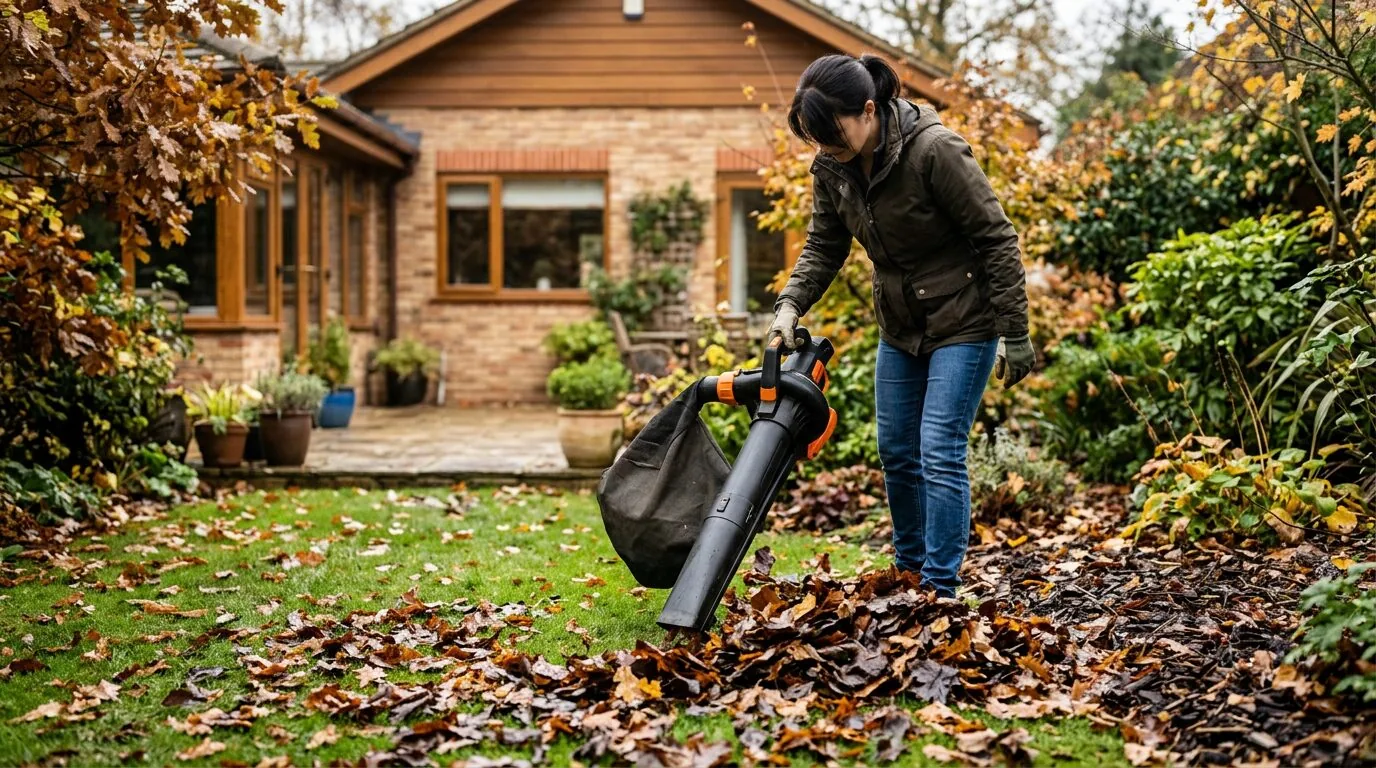
If you’re staring at a soggy lawn covered in wet leaves and wondering whether your leaf vacuum can handle the job, the short answer is yes most leaf vacuums can pick up wet leaves, but with important caveats.
Wet leaves are heavier and clump together, which can clog the machine, reduce mulching efficiency, and put extra strain on the motor.
Understanding how your specific vacuum handles moisture and following a few smart practices can save you headaches, time, and potential repairs.
In this guide we explain how leaf vacuums deal with damp debris, what limits their performance, and practical tips for tackling wet leaves when you have no choice but to clean up after a storm.
Whether you own a handheld model or a larger backpack unit, knowing these basics will help you keep your yard tidy without damaging your equipment.
Understanding How Leaf Vacuums Handle Moisture
A leaf vacuum operates by creating suction that pulls leaves into a collection bag or shredding chamber. Most models use an impeller to chop leaves into small pieces, reducing volume.
But when leaves are wet, the added moisture makes them stick together. The wet mass can block the intake tube, jam the impeller, or quickly fill the bag with heavy, compacted material that’s hard to empty.
Manufacturers design some vacuums specifically with wet leaf collection in mind. For instance, leaf vacuums and mulchers with wider intake openings and higher airflow ratings tend to handle moisture better. If your machine has a metal impeller rather than plastic, it can better resist damage from the extra weight and occasional stones hidden in wet piles.
Factors That Affect Wet Leaf Collection
Suction Power and Airflow
The most critical factor is the vacuum's suction strength measured in cubic feet per minute (CFM) and the speed of the air (mph). Higher CFM and mph ratings mean the machine can pull wet leaves from the ground more easily.
Light duty electric models often struggle with wet material, while gas powered backpack units have the power to lift damp leaves off the grass.
Mulching Ratio
Wet leaves don't shred as finely as dry ones. The mulching ratio (how much the volume is reduced) drops significantly. Instead of a 10:1 reduction you might get only 2:1 or 3:1.
This means you'll need to empty the collection bag more often, which can be a hassle if you are covering a large area.
Bag Capacity and Design
A larger bag holds more before needing emptying, but wet leaves are heavy. A full bag can strain your back and make the vacuum tip over or reduce portability.
Some models come with shoulder straps or harnesses to distribute weight better. If you frequently deal with wet foliage, look for backpack leaf blower vacuums that offer comfortable carrying systems and durable bags.
Practical Tips for Vacuuming Wet Leaves
- Wait until the leaves are only damp, not soaking wet. If you can, vacuum a few hours after the rain stops. Lightly moist leaves clog less than saturated ones.
- Clear the area of large sticks, rocks, and other debris before you start. Wet leaves often hide obstacles that can damage the impeller.
- Work slowly and avoid shoving the intake deep into a pile. Let the suction pull leaves from the top layer. This reduces clogging.
- Empty the collection bag frequently. A half full bag of wet leaves may be as heavy as a full bag of dry ones. Overfilling risks tearing the bag or straining the motor.
- If your vacuum has a variable speed setting, start at medium speed. Full throttle can create too much suction that packs wet leaves into a solid plug.
After you finish vacuuming wet leaves, clean the machine immediately. Remove any debris stuck in the impeller or intake tube. Moisture left inside can cause rust or mold.
Rinse the collection bag with a garden hose and let it dry completely before storing. This simple routine extends the life of your leaf blowers and vacuums.
When to Avoid Vacuuming Wet Leaves
There are situations where it is better to wait. If the ground is muddy or saturated, the vacuum may suck up mud along with the leaves.
This can clog the filter (if your model has one) and create a mess inside the machine. Also, if leaves are frozen or covered in ice, the added weight and sharp ice can damage the impeller or crack the housing.
In those cases, let the weather improve before you tackle the cleanup.
Another scenario is when the leaf layer is very thick and tightly packed from rain. Trying to pull up a dense wet mat may stall the motor or snap the vacuum's drive belt (in some gas models).
Use a rake to loosen the top layer first, then vacuum.
Frequently Asked Questions
Will a leaf vacuum pick up soaking wet leaves?
It can, but performance will drop. The machine may clog more often and the mulching ratio will be low. If you must vacuum waterlogged leaves, work in short sections and empty the bag frequently.
Can water damage a leaf vacuum motor?
Most outdoor power equipment is designed to handle moisture, but prolonged exposure to water inside the motor or electrical components can cause corrosion or short circuits. Keep the intake away from puddles and dry the machine after use.
Is it better to blow wet leaves instead of vacuum them?
Blowing works well to move wet leaves into a pile, especially if you have a powerful blower. But if you need to collect and remove the leaves, a vacuum is your only option.
Many leaf vacuums and mulchers also function as blowers, so you can blow them into a pile then switch to vacuum mode.
Why does my leaf vacuum keep clogging with wet leaves?
Clogging happens because wet leaves stick together inside the intake tube or impeller chamber. To reduce clogs, slow your pace, avoid large piles, and consider a model with a metal impeller or anti-clog features.
Can I use a wet/dry shop vac instead of a leaf vacuum for wet leaves?
A wet/dry shop vac is designed to handle liquid and small debris, but it lacks the high airflow and wide intake needed for leaves.
It will pick up wet leaves but will clog very quickly and the bag may tear. A dedicated leaf vacuum is far more efficient.
About the author
 admin
admin writes reviews and buying guides for LAT Review.