
Bypass vs Anvil Loppers: What Is the Difference and Which One Should You Use?
Bypass loppers cut cleanly like scissors, ideal for live wood. Anvil loppers crush dead or tough branches against a flat surface. Learn how each works and when to use them for better pruning results.
 By admin
Updated November 5, 2026
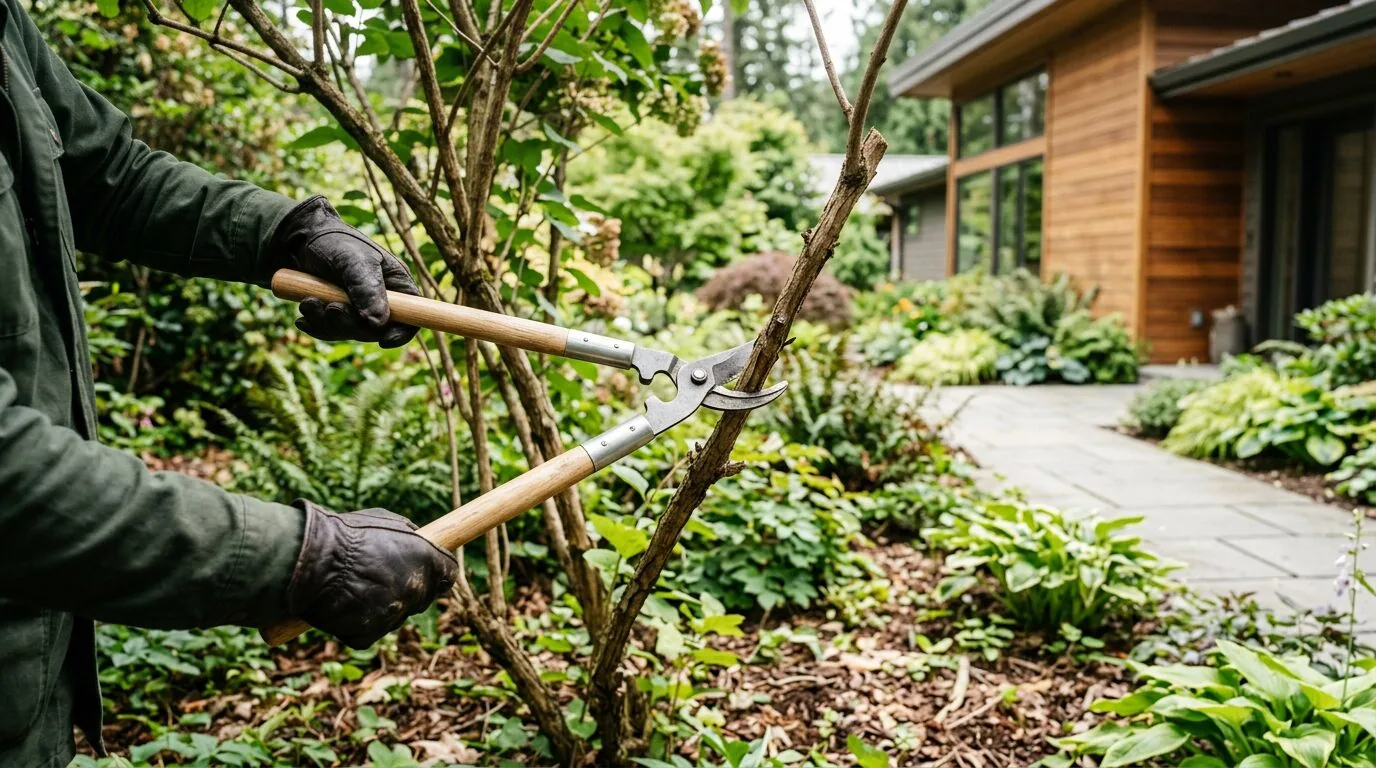
If you have ever shopped for loppers, you have likely encountered two main types: bypass and anvil. The fundamental difference lies in their cutting action.
Bypass loppers work like scissors: two curved blades slide past each other to make a clean cut. Anvil loppers have a single straight blade that closes against a flat metal surface (the anvil), crushing the branch as it cuts.
Which one you need depends on the kind of pruning you do and the condition of the wood you are cutting.
Choosing the wrong type can make your pruning harder and damage your plants. This guide explains exactly how each style works, their strengths and weaknesses, and practical tips to help you decide.
For more on related hand tools you may need for your yard, explore our other resources.
How Bypass Loppers Work
Bypass loppers have two blades: a sharp upper blade that passes by a thicker lower blade. The upper blade makes contact with the branch first, slicing through cleanly.
Because the blades shear past each other, the cut is precise and does not crush the stem or bark.
This makes bypass loppers ideal for cutting live, green wood where a clean wound heals faster and reduces the risk of disease.
Most bypass loppers are designed for branches up to about 1.5 to 2 inches in diameter, depending on the tool’s leverage and blade sharpness. They require regular sharpening to maintain that clean cutting edge.
If you prune fruit trees, roses, or ornamental shrubs, bypass loppers are generally the preferred choice.
How Anvil Loppers Work
Anvil loppers use a different mechanism. A straight blade comes down onto a flat metal anvil. The branch is caught between the blade and the anvil, and the blade cuts by pressing the wood against the anvil until it splits.
This action can crush the branch, especially if the blade is dull or the branch is too thick. However, anvil loppers are better at cutting through dead, dry, or tough wood where a clean cut matters less.
Because the anvil absorbs much of the force, these loppers often require less effort to cut through thicker branches than bypass models. They also tend to stay sharp longer since the blade does not slide against another blade.
For cutting dead limbs, roots, or thick woody stems, anvil loppers can be a sturdy workhorse.
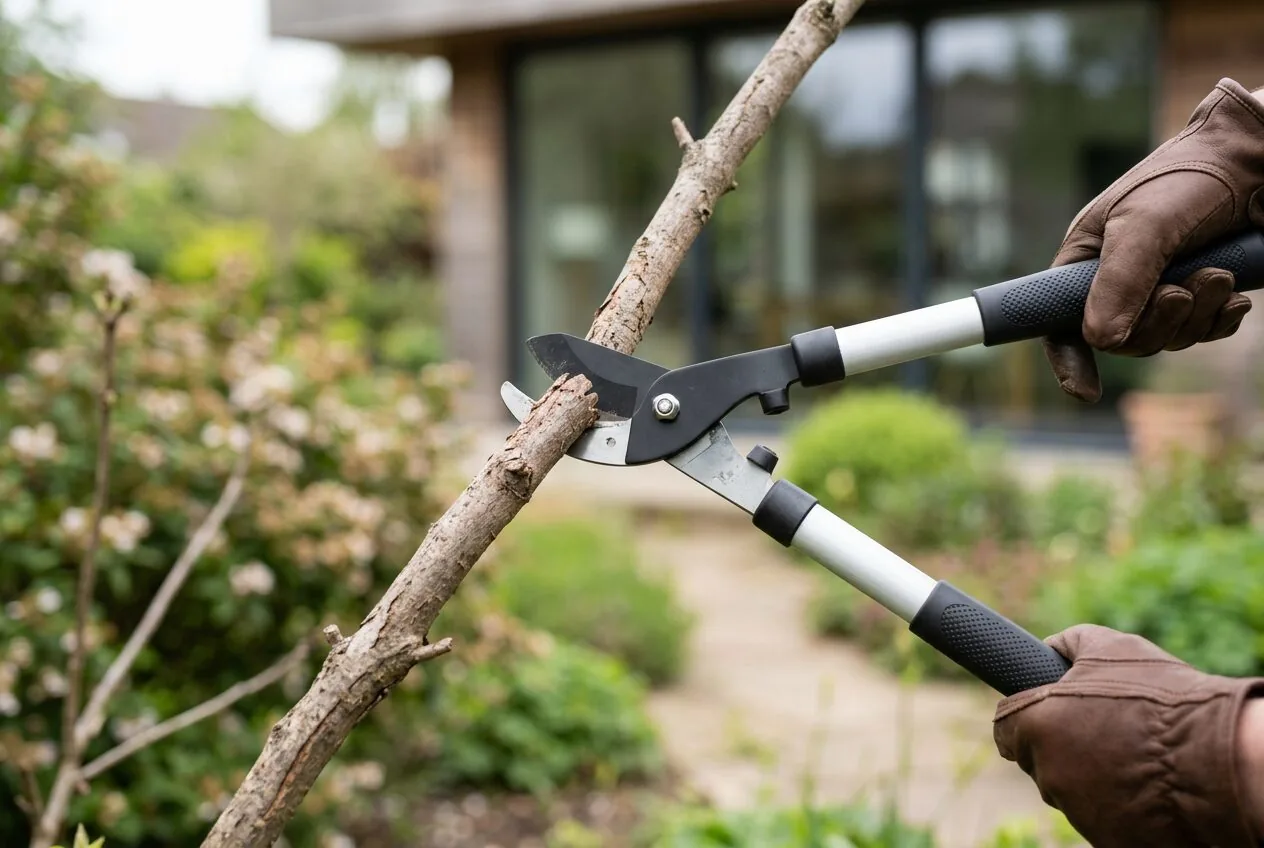
Key Differences in Cutting Mechanism
- Cut quality: Bypass leaves a clean, scissor-like cut. Anvil can crush the stem, which may harm live tissue.
- Best wood type: Bypass for live, green branches. Anvil for dead, dry, or hardwood.
- Effort required: Anvil often requires less force for thick dead wood because the anvil provides leverage. Bypass needs sharper blades and more precision.
- Blade maintenance: Bypass blades need regular sharpening to maintain shear action. Anvil blades stay sharp longer but may need occasional dressing of the anvil surface.
- Branch diameter: Both can handle similar sizes, but anvil can sometimes cut slightly thicker dead wood due to the crushing action.
Understanding these differences helps you pick the right tool for each pruning task. For a deeper look at pruning shears and loppers, our category page covers more options and buying advice.
When to Choose Bypass vs Anvil Loppers
In a Garden with Mostly Live Plants
If you are pruning fruit trees, flowering shrubs, or young trees, stick with bypass loppers. The clean cut promotes faster healing and reduces the chance of bark damage.
You can pair them with a leaf blower and hedge trimmer combo to keep your entire yard tidy after pruning.
For Clearing Dead or Overgrown Branches
When you are cutting dead wood, thick vines, or roots, anvil loppers are often more effective. They can handle the toughness without dulling the blade quickly. Just be careful not to use them on live branches that you want to keep healthy.
If You Prune a Mix of Wood Types
Many gardeners keep both types. Use bypass for live, green cuts and anvil for dead or thick material. Having both means you always have the right tool for the job.
Tips for Getting the Best Results from Your Loppers
- Keep blades clean and dry after each use to prevent rust.
- Sharpen bypass blades regularly with a fine file or sharpening stone.
- Check the anvil surface on anvil loppers for wear; replace the anvil pad if it becomes grooved.
- Match the lopper size to the branch diameter. Using too small a tool can damage both the tool and the plant.
- Use a pruning saw for branches too thick for either lopper type.
By choosing the correct lopper for each task and maintaining it properly, you will make cleaner cuts, reduce plant stress, and extend the life of your tools.
Frequently Asked Questions
Can I use anvil loppers on live branches?
You can, but it is not recommended. The crushing action of anvil loppers can damage the bark and cambium layer, leaving a ragged wound that heals slowly and invites disease. Bypass loppers are safer for live wood.
Do anvil loppers require more effort than bypass loppers?
Not necessarily. On dead or tough wood, anvil loppers often require less effort because the anvil absorbs impact. On live green wood, bypass loppers cut more easily because they shear rather than crush. Effort also depends on blade sharpness and the lopper’s leverage design.
How do I sharpen bypass loppers?
Use a diamond file or sharpening stone to follow the existing bevel angle of the upper blade. Only sharpen the beveled side, not the flat side. A few passes after each heavy use will keep the blade sharp.
Anvil lopper blades can be sharpened similarly, but also check the anvil pad for flatness.
Can I cut a 3-inch branch with loppers?
Most bypass and anvil loppers are designed for branches up to about 2 inches in diameter. Cutting a 3-inch branch may damage the tool or produce a poor cut.
For thicker wood, use a pruning saw or a pair of heavy-duty loppers specifically rated for larger diameters.
Which type of lopper is better for a beginner gardener?
A good bypass lopper is usually the best starting point because it is versatile for most pruning tasks in a typical garden. Once you encounter dead or very thick wood, you can add an anvil lopper to your collection.
About the author

admin writes reviews and buying guides for LAT Review.