
The 4 Best Blade Edgers For Lawns of 2026
If your lawn edges look rough, the right blade edger can make them crisp and clean again. These 4 models from WILDBADGERPOWER, BlumeTrec, GOODJOB offer solid options for different yards and needs in November 2026.
 By admin
Updated October 27, 2026
Keeping lawn edges crisp can make an entire yard look more polished, and that is exactly why our Edgers & Trimmers category guide matters. In this review of the best blade edgers for lawns, we are focusing on the tools that help you cut a clean boundary along driveways, sidewalks, garden beds, and curbs without turning routine maintenance into a chore.
This roundup is designed to help you compare the main tradeoffs quickly, from edge quality and control to comfort and versatility. If you are researching your options in Lawn Care Tools this month, the goal is to give you a practical, data-led starting point before you choose the right model for your yard and workflow.
| Award | Product | ACMS Score About LAT ScoreACMS Score is calculated based on product ratings, reviews, and sales performance to help you make informed purchasing decisions. | Price | |
|---|---|---|---|---|
| Best Premium |
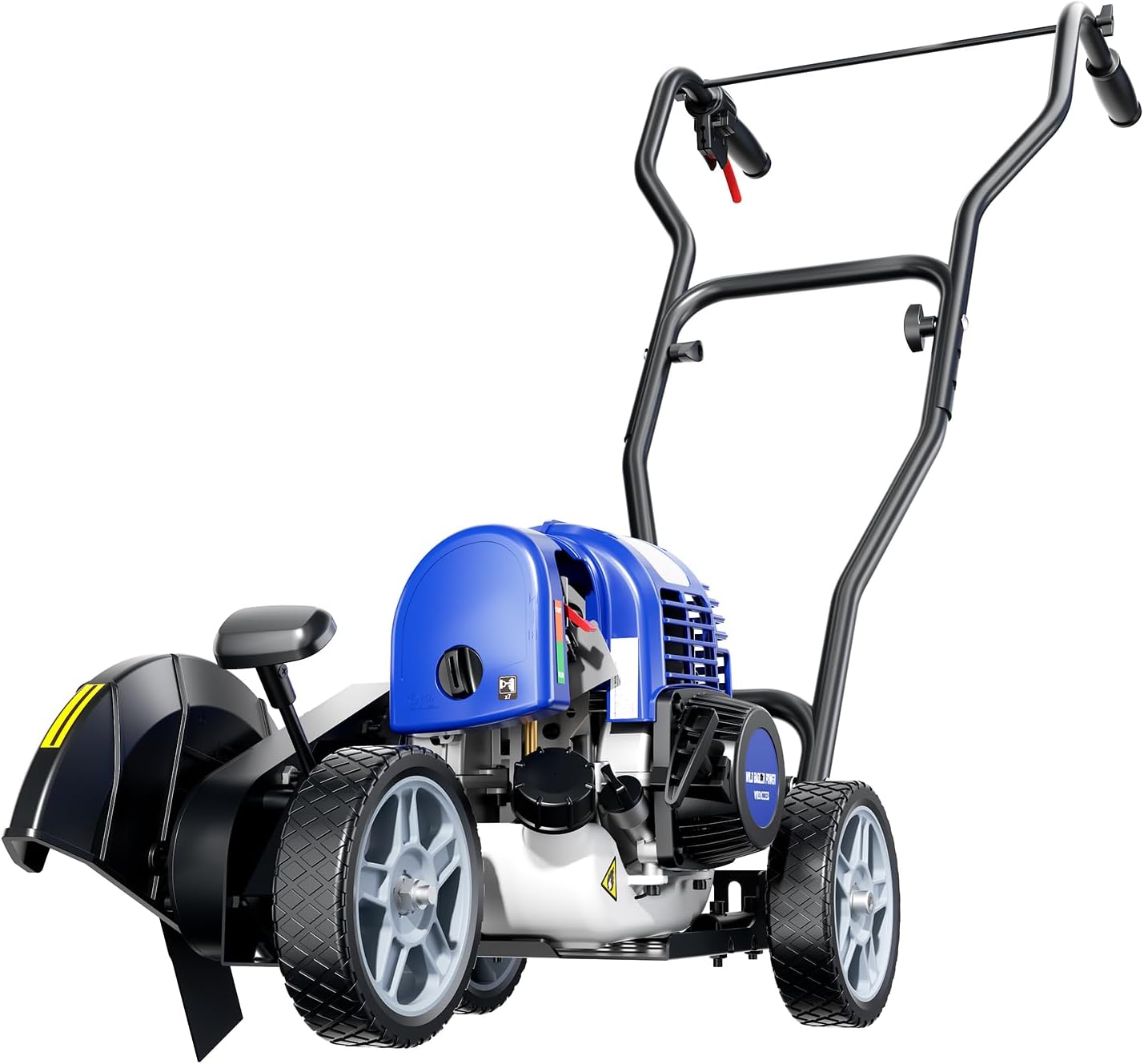
Wild Badger Power WB31CCED 31cc Walk-Behind Edger
|
7.2/10 | $218.81 | Check price |
| Best Overall |
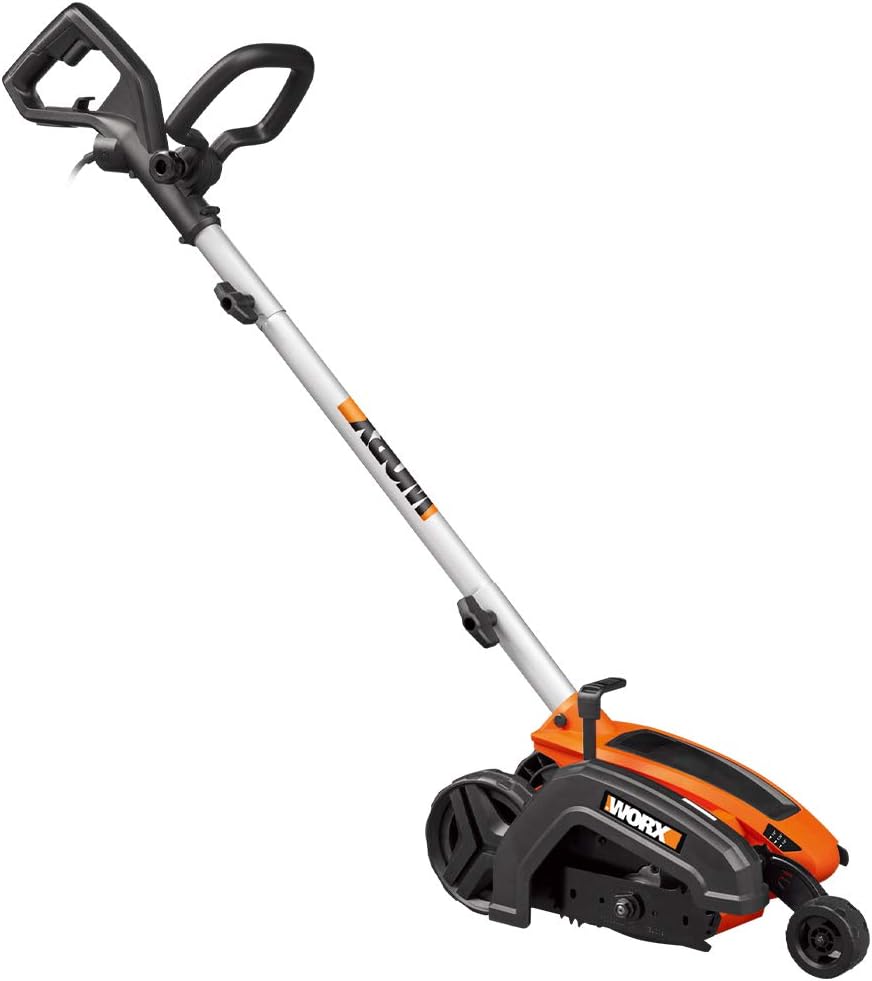 WORX WG896 7.5 Inch Corded Edger/Trencher |
8.3/10 | $89.99 | Check price |
| Best Value |
 GOODJOB GB-DLE22A-2MG 20V Lawn Edger |
7.6/10 | $129.99 | Check price |
| Best Budget |
 BlumeTrec ETL-001 Adjustable Lawn Edger |
8.0/10 | $19.99 | Check price |
Wild Badger Power WB31CCED 31cc Walk-Behind Edger
A gas-powered walk-behind edger designed for creating sharp lines along concrete sidewalks, paved driveways, and long borders. It offers stable, wheeled control and a 31cc 4-cycle engine that eliminates the need for fuel mixing, making it a consideration for homeowners prioritizing power and straightforward maintenance over lighter handheld options.
Pros
- No gas-oil mixing required with the 4-cycle engine.
- Five adjustable cutting depths for different edging tasks.
- Stable, walk-behind design is suited for long, straight edges.
- Includes a 3-year limited warranty and customer support.
Cons
- Heavier than handheld models at nearly 30 pounds.
- Manual operation and gas power require more effort and upkeep than electric alternatives.
- The 3.6-star rating suggests some users have experienced issues.
WORX WG896 7.5 Inch Corded Edger/Trencher
WORX WG896 is a corded electric edger and trencher with a 7.5 inch blade and 12 amp motor, aimed at users who need straight lawn lines or shallow trenches without gas maintenance. Its three depth settings, adjustable shaft, and cutting line guide make it practical for homeowners who want cleaner edges and wire burying. The 14 pound body and easy blade access help with storage and upkeep, but the short built in cord means extension cord use is expected.
Pros
- 12 amp motor and 7.5 inch serrated steel blade spin at 4700 rpm
- Three cutting depth settings for edging and trenching
- Adjustable shaft and D-grip handle suit different user heights
- Light 14 pound frame with easy blade access for cleaning and replacement
- 3 year limited warranty
Cons
- Requires an extension cord because the built in cord is only 1 ft
- Depth range tops out at 1.5 inches
- Corded design needs outlet access and cord management
GOODJOB GB-DLE22A-2MG 20V Lawn Edger
GOODJOB’s cordless lawn edger pairs two 20V batteries with a 9-inch steel blade, making it a practical option for trimming lawn edges, sidewalks, and driveways. Its lightweight 4.5-pound build, adjustable cutting depths, and dual guide wheels make it easier to control along curves and straight borders alike.
Pros
- Includes two 2.0Ah 20V batteries and a fast charger for shorter charging pauses.
- 400W motor with a 3500 RPM blade speed for cutting grass, turf, and roots.
- Three cutting-depth settings help with light edging or deeper trenching.
- At 4.5 pounds, it should be easier to handle during longer trimming sessions.
- Dual guide wheels and a rotatable auxiliary handle improve edging control.
Cons
- 40-minute total runtime may be short for larger properties.
- Best suited to edging and light trenching rather than heavy-duty yard work.
BlumeTrec ETL-001 Adjustable Lawn Edger
A manual edging tool built for heavy-duty yard work, featuring a reinforced manganese steel blade to cut through tough turf and soil. Its adjustable handle and wide footplate aim to reduce user strain, making it a candidate for homeowners tackling extensive border maintenance.
Pros
- Reinforced, rust-resistant manganese steel blade designed for durability
- Three-position height adjustment (up to 42 inches) for different users
- Extra-wide footplate intended to improve leverage and reduce back strain
- Saw-tooth blade edge claimed to handle dense soil and roots effectively
Cons
- At over 4.5 pounds, its weight may be taxing for some users during extended tasks
- The fixed blade design lacks the versatility of multi-tool systems
Best Blade Edgers For Lawns Buying Guide
Blade Control and Edge Definition
The most important job of a blade edger is simple: it has to produce a straight, consistent line. A good edge should slice cleanly through turf and shallow roots without tearing the lawn or leaving a ragged shoulder. If your edges are already overgrown, a sharper blade profile and better line-of-sight to the cutting path can save a lot of cleanup later.
When comparing models, look for design details that make the cutting path easier to track. A stable wheel base, adjustable blade depth, and a guard that helps guide the tool can make a bigger difference than raw power alone. If you want a broader look at adjacent lawn-maintenance gear, our Lawn Sweepers category page is a useful companion resource for cleanup after edging.
The easiest way to think about edge quality is consistency over time. If a tool forces you to make multiple passes, the lawn shoulder can collapse and the edge line can wander. A model that holds depth well and follows a straight track is usually the better choice, even if it is not the most aggressive cutter in the group.
Power Source and Runtime
Power source is one of the biggest decision points for blade edgers for lawns. Corded tools often deliver steady power for smaller properties, while cordless models are easier to move around large yards, long driveways, and multiple landscaped zones. If you are edging frequent sections, convenience can matter as much as cutting strength.
For cordless use, think about whether the tool can finish your typical edging session in one charge. For corded use, think about outlet access, extension cord management, and whether the cord will cross sidewalks or garden beds. The best choice is the one that matches your property layout, not just the one with the highest advertised output.
Power matters most when the grass is thick or the edge line has not been maintained in a while. In those conditions, a blade edger that maintains speed under load will usually cut cleaner and require fewer repeat passes. That means less fatigue for you and less stress on the turf.
Weight, Balance, and Handling Comfort
Edge work often involves walking a long, straight path while keeping the tool level and predictable. That makes balance and grip comfort crucial. A lighter tool is not automatically better if it feels unstable, while a heavier tool can still be easy to use if the weight is well distributed.
Pay attention to handle shape, shaft length, and how much wrist correction the tool seems to demand. The more natural the stance, the easier it is to maintain a straight line. This is especially important if you edge frequently or maintain long stretches of curb and pavement in one session.
If you struggle with fatigue, look for features that reduce vibration and help you keep the cutting head aligned. A comfortable grip may not sound like a cutting feature, but over a full lawn it can be the difference between a quick maintenance task and an annoying chore.
Adjustability and Edge Depth Settings
Adjustable depth is one of the most useful features on a blade edger because not every lawn edge needs the same cut. A shallow setting is often enough for regular maintenance, while a deeper setting helps reset a neglected border. The ability to fine-tune depth gives you more control over the final look and reduces the risk of overcutting.
Think of depth control as a precision feature, not just a convenience feature. If you only ever edge light growth, you may not need a wide adjustment range. But if your yard includes mixed surfaces, such as hardscape, soft soil, and planted borders, a flexible setup is much easier to live with.
One practical rule is to start shallow and work deeper only when needed. That approach preserves turf roots and helps you avoid creating a trench instead of a neat edge. Over time, consistent moderate edging usually produces a cleaner result than aggressive cutting done too rarely.
Durability of the Blade and Structural Parts
Blade edgers take a lot of abuse from packed soil, roots, gravel, and curbs, so durability matters. A strong blade and a solid guard or frame help the tool maintain accuracy and reduce wobble. If structural parts flex too much, the edge line can drift and the blade may wear faster than expected.
It is also worth thinking about replacement support. Even the best cutting tool will eventually need maintenance, and easy access to replacement blades or wear components can extend the useful life of the edger. That is one reason many buyers compare the overall construction quality rather than focusing on a single feature.
A practical durability check is to imagine your toughest edging conditions. If you regularly meet roots, edging stones, or compacted borders, the tool should feel rigid enough to stay on line. If it seems flimsy in hand, it may be fine for occasional light trimming but less satisfying for routine maintenance.
Versatility for Different Lawn Layouts
Not every yard is the same, and the best blade edgers for lawns often need to handle more than one kind of edge. A tool that works well beside a sidewalk may also need to track along flower beds, driveway seams, and tight corners. The more adaptable the design, the fewer specialized tools you need to keep nearby.
This is where a comparison table can help you think through the job before you buy. Use the tool type that matches your space instead of choosing a model based only on the idea of “more power.” In many yards, clean control matters more than maximum aggressiveness.
| What to Compare | Why It Matters | What to Look For |
|---|---|---|
| Edge consistency | Determines how clean the border looks | Straight tracking and stable depth |
| Handling comfort | Affects fatigue during longer jobs | Balanced weight and secure grip |
| Adjustability | Helps with light upkeep or heavy resets | Multiple depth or angle settings |
| Durability | Impacts lifespan and reliability | Rigid frame and wear-resistant blade |
If you are building out your yard-care toolkit, it is also smart to consider how your edger fits into the rest of your routine. A cleaner edge often makes mowing look better too, and it can reduce how much manual cleanup you need around borders.
Why You Should Trust Us
We evaluate products by comparing the information that matters most to real shoppers: build design, feature set, intended use, and how well the product seems suited to common lawn-care scenarios. Our goal is to reduce confusion, not to hype every listing, so we emphasize practical tradeoffs and avoid making unsupported claims.
We also try to be transparent about the limits of the data. When review counts, price data, or detailed specification sheets are limited, we focus on what can be inferred responsibly from the available product information and the category as a whole. That keeps the guide useful, balanced, and easier for you to act on.
Final Thoughts
If you want the safest starting point, the best overall choice is . It earns that recommendation because the overall package is the most sensible place to begin when you want a dependable edger that should fit the widest range of routine lawn-maintenance needs. For shoppers comparing multiple yard tools, it is also worth browsing our Lawn Care Tools hub for related equipment ideas.
For a best value angle, is the kind of pick that appeals to buyers who want practical performance without overcomplicating the decision. If your yard has straightforward borders and you mainly want clean seasonal upkeep, this sort of model is often the easiest to justify. For another helpful comparison point, you can also review our Edgers & Trimmers category page.
For a best-for-specific-use recommendation, makes sense if you care most about a more tailored edging setup for certain lawn shapes or maintenance patterns. The remaining options, including and , round out the lineup for shoppers who want to compare more than one style before deciding. If your yard cleanup routine extends beyond edging, our Lawn Sweepers category page can help you complete the job after trimming.
FAQs
What is the best blade edgers for lawns in 2026?
The best choice depends on whether you value edge precision, ease of handling, or all-around convenience. In most cases, the top pick is the one that feels stable on long borders and gives you enough control to keep your lawn line straight without repeated passes. If you want a broader starting point, our Edgers & Trimmers category page is a good place to compare styles.
Are blade edgers better than string trimmers for lawn edges?
Blade edgers are usually better when your goal is a crisp, defined border along sidewalks, driveways, or paved paths. String trimmers are more flexible for general trimming, but they often do not create the same clean vertical cut. If you want a more polished final look, a blade-based tool is typically the better choice.
How often should I edge my lawn?
Most lawns benefit from edging as part of regular maintenance rather than waiting for the border to get overgrown. The ideal frequency depends on how quickly your grass spreads and how tidy you want the yard to look. A little upkeep done consistently is usually easier than restoring a neglected edge all at once.
What features matter most in Best Blade Edgers For Lawns?
The main features to watch are edge control, comfort, durability, and the ability to adjust the cutting depth or angle. These determine whether the tool feels precise and manageable during real yard work. If a model is comfortable but inconsistent, or powerful but hard to steer, it may not be the best fit for your property.
Can one tool handle both edging and trimming?
Some tools can do both jobs, but they usually make compromises in one direction or the other. A dedicated blade edger is generally better for straight, formal borders, while a trimmer is often better for general cleanup and tight landscaping spots. If you want the cleanest result, choosing the right tool for the job is usually the smarter long-term move.
About the author

admin writes reviews and buying guides for LAT Review.