
Why Is My Chainsaw Smoking? Causes and Solutions
Chainsaw smoke can stem from fuel mix errors, tension issues, clogs, or carb problems. Learn the causes and how to fix them safely.
 By admin
Updated November 5, 2026
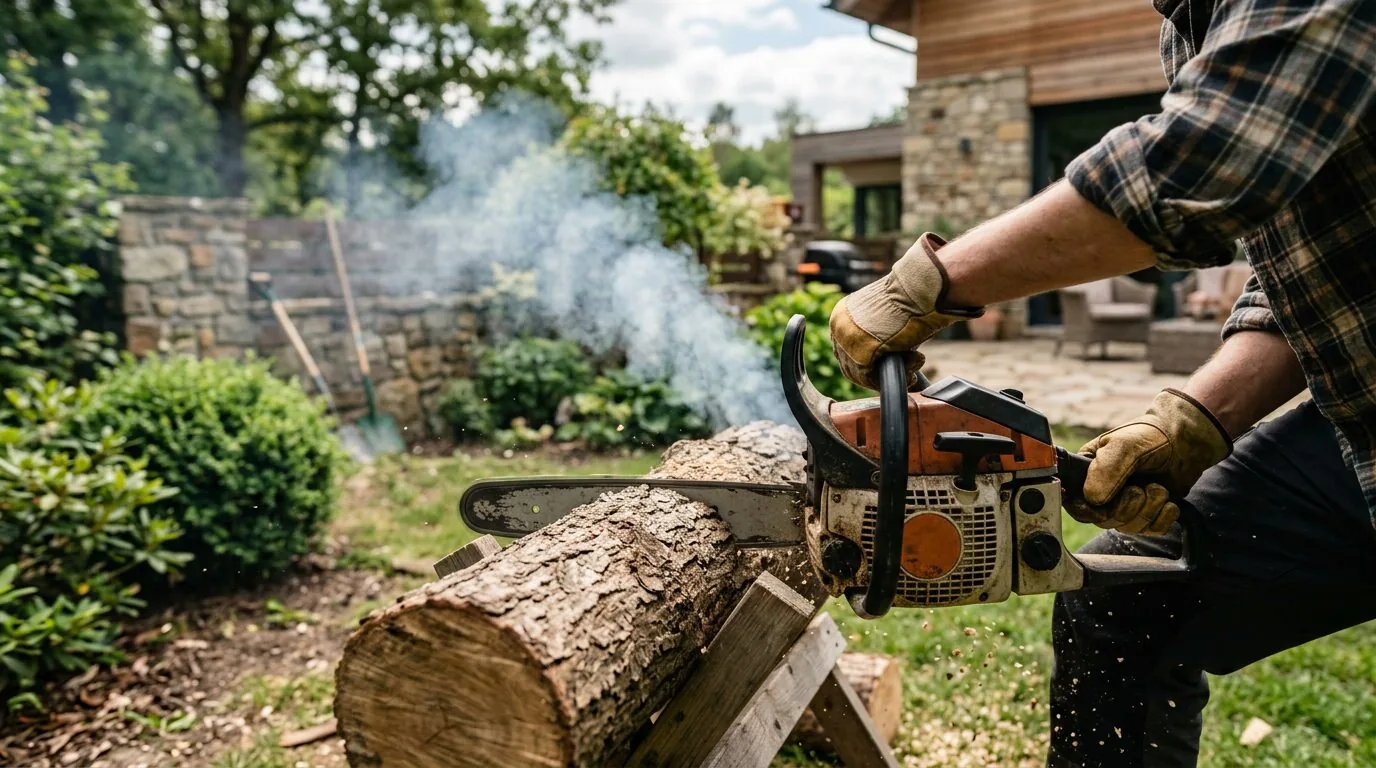
If your chainsaw starts billowing smoke mid cut, it can be alarming. Knowing the reason helps you fix the problem safely and avoid costly damage. This article explains the most common causes of chainsaw smoke and what you can do about them.
Fuel Mixture Problems
A classic cause of smoke is an incorrect fuel mixture. Most chainsaws use a two stroke engine that requires a specific ratio of gasoline to oil. Too much oil in the mix produces thick white or blue smoke.
Too little oil can cause overheating and smoke as well, but with a different smell.
Check your owner manual for the exact ratio. If you are using premixed fuel, make sure it is fresh. Stale fuel can also cause smoking and poor performance. Drain and replace old fuel if needed, and always use a clean container when mixing.
Chain Tension and Lubrication Issues
An overly tight chain or insufficient bar oil can generate friction and smoke. When the chain is too tight, it drags against the bar and heats up, burning off any oil quickly.
Insufficient oil flow starves the chain and bar, causing metal on metal contact that produces smoke and may damage the bar.
Adjust the chain tension so it still has a slight droop on the underside. Fill the oil reservoir with a high quality bar and chain lubricant. If the saw still smokes after adjusting tension and adding oil, check the oil pump mechanism for clogs.
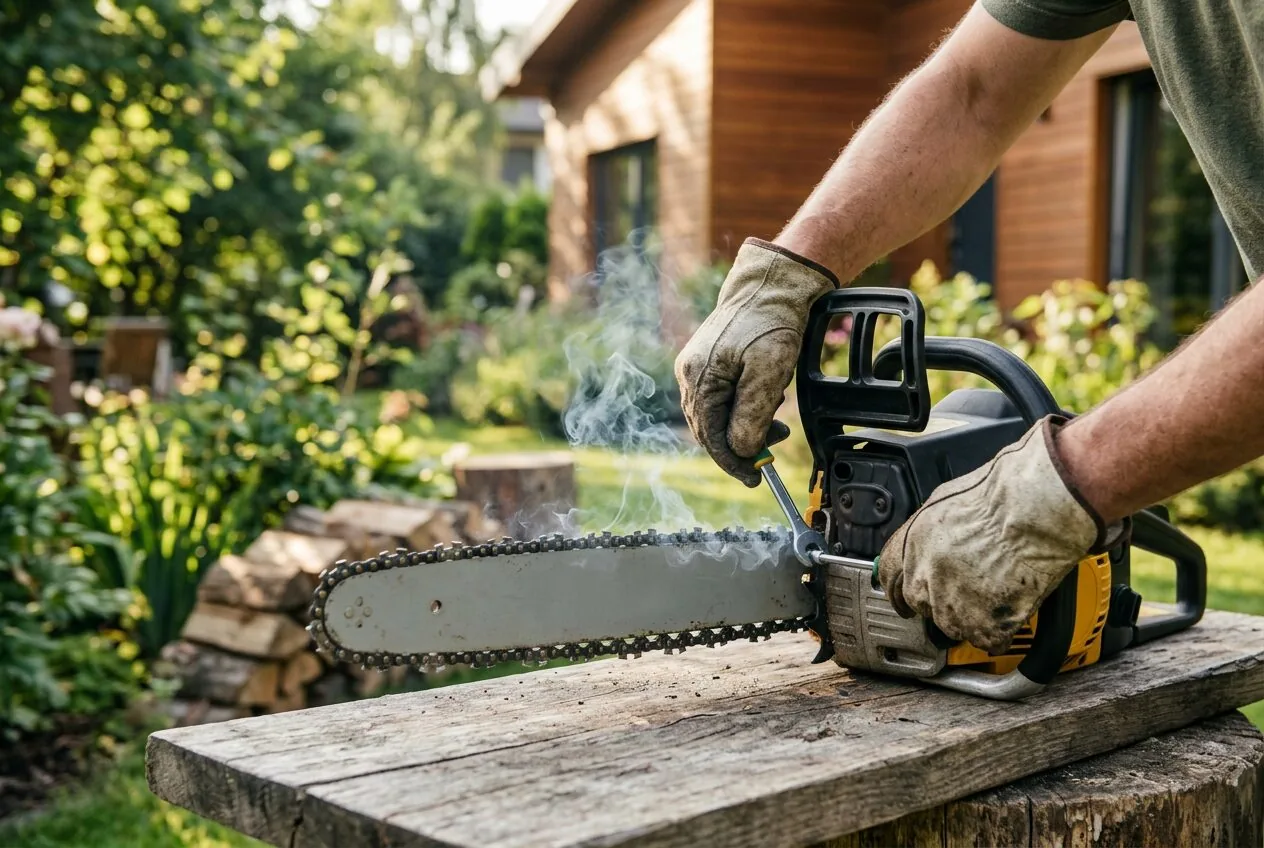
Clogged Air Filter or Fuel Filter
A dirty air filter restricts airflow, causing a rich fuel mixture that can lead to smoking. Similarly, a clogged fuel filter can cause the engine to run lean and overheat, also producing smoke. Regular cleaning and replacement are simple preventive steps.
Remove the air filter and inspect it. If it is covered in sawdust or oil, clean it with warm soapy water, dry it thoroughly, and reinstall. Replace the air filter if it is damaged.
For the fuel filter, locate it inside the tank and check for debris; replace it annually or as recommended.
Muffler and Exhaust Blockages
If the muffler or spark arrestor screen becomes clogged with carbon deposits, exhaust gases cannot exit properly. This can lead to smoke coming from the muffler area or even from under the cover. A blocked muffler also affects engine performance and may cause overheating.
Allow the engine to cool completely, then remove the muffler and clean the ports and spark arrestor with a wire brush or replace the screen if it is heavily clogged. Be careful not to damage the muffler gasket.
Carburetor Adjustment
A carburetor that is out of adjustment can cause the engine to run too rich (too much fuel) or too lean (too much air), both of which can produce smoke. Symptoms include erratic idling, hesitation during acceleration, or excessive smoke during operation.
Carburetor tuning can be tricky. If you are not experienced, it is best to take the saw to a professional. Some models have limiter caps that prevent user adjustment.
For saws that allow it, follow the manufacturer procedure for adjusting the low speed and high speed needles.
For broader maintenance guidance and to compare different models, you can explore our resources on chainsaws and saws. If you suspect your current saw is not right for your needs, learning more about chainsaw types may help you make an informed upgrade.
Frequently Asked Questions
Is it normal for a new chainsaw to smoke?
Some light smoke during the first few minutes of break in is normal as excess oil and protective coatings burn off. If smoke persists or is heavy, check your fuel mix and chain lubrication.
Why does my chainsaw smoke when I start it?
This often means the fuel mixture is too rich or the choke was left on too long. Let the engine warm up and see if the smoke clears. If not, inspect the air filter and carburetor settings.
Can a dull chain cause smoking?
Yes, a dull chain requires more force to cut, which can increase friction and heat. This may cause the bar oil to smoke or the engine to labor. Sharpen the chain regularly and maintain proper tension.
How do I know if the smoke is dangerous?
White or blue smoke usually indicates fuel or oil issues. Black smoke suggests a very rich mixture. Gray or metallic smoke could mean an internal engine problem.
If you see heavy smoke along with loss of power or strange noises, stop the saw and consult a mechanic.
About the author

admin writes reviews and buying guides for LAT Review.