
How to Limb a Tree With a Chainsaw: A Step by Step Guide
Learn how to limb a tree with a chainsaw safely and effectively. This step-by-step guide covers preparation, cutting technique, tension handling, and safety tips.
 By admin
Updated October 28, 2026
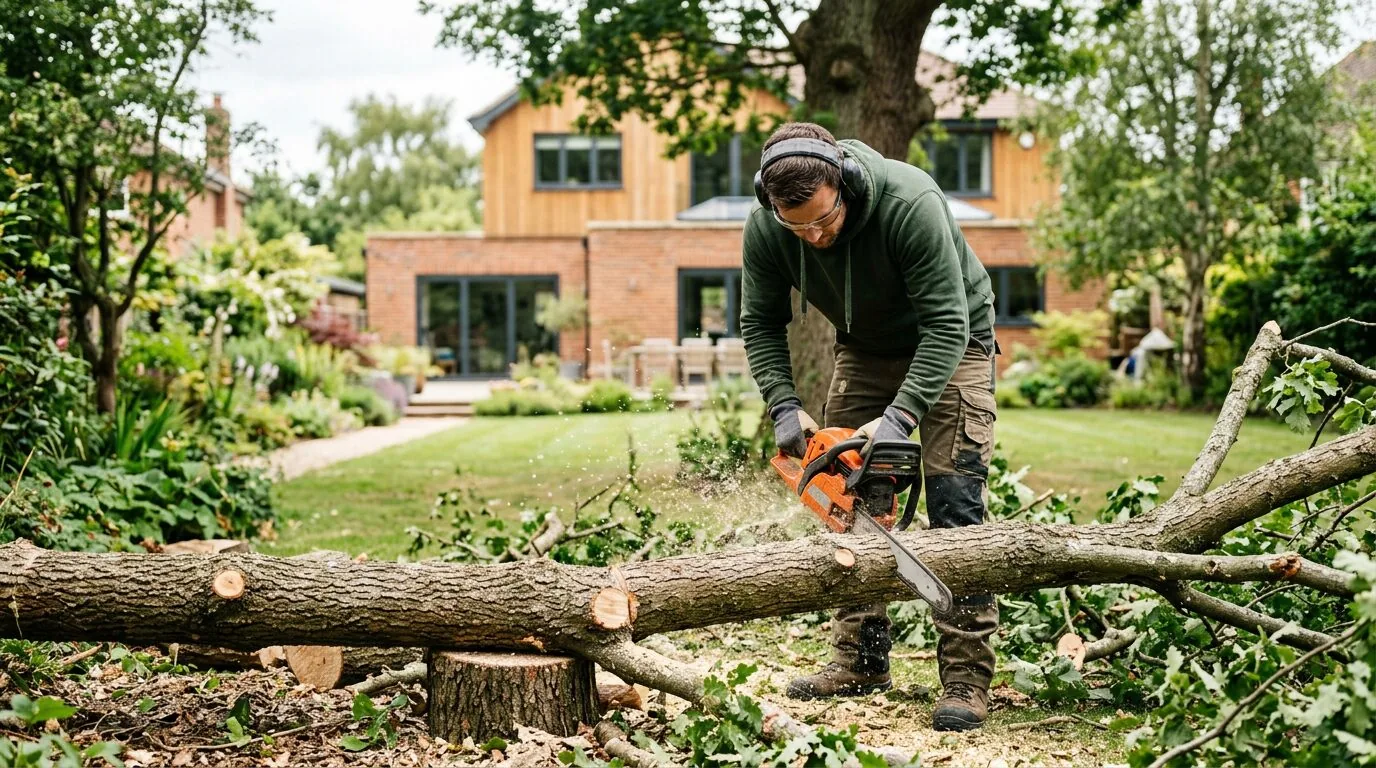
Limbing a tree means removing the branches from a fallen trunk or from a standing tree that you are cutting down. Doing this with a chainsaw requires careful planning and a focus on safety.
This guide will walk you through the essential steps so you can work efficiently without putting yourself or your equipment at risk.
Before you start, make sure you have the right tools and protective gear. A well maintained chainsaw is critical for clean cuts and safe operation. Always wear a helmet with face shield, chainsaw chaps, steel toed boots, and hearing protection.
The following sections cover the specific techniques you need to limb a tree properly.
Prepare Your Work Area
Clear the ground around the tree of any debris, loose branches, or obstacles that could trip you. Identify the path where each branch will fall and ensure there is nobody else nearby.
Mark the direction of the tree’s lean if it is standing. For a fallen tree, note which side is under compression and which is under tension. This will guide your cutting sequence.
Understand the Tree’s Tension
Branches on a fallen tree are often under tremendous stress. The underside of a branch that is pinned against the ground is under compression; the top side is under tension.
Cutting incorrectly can cause the branch to snap and kick back. Always cut from the compression side first when possible. For a branch that is bowed upward, cut from the bottom up to avoid pinching the chain.
If you are limbing a standing tree, work from the base upward. Remove lower branches before upper ones to keep the trunk stable and prevent them from falling on you. For detailed advice on choosing the right saw, browse our chainsaws and saws category.
Master the Cutting Technique
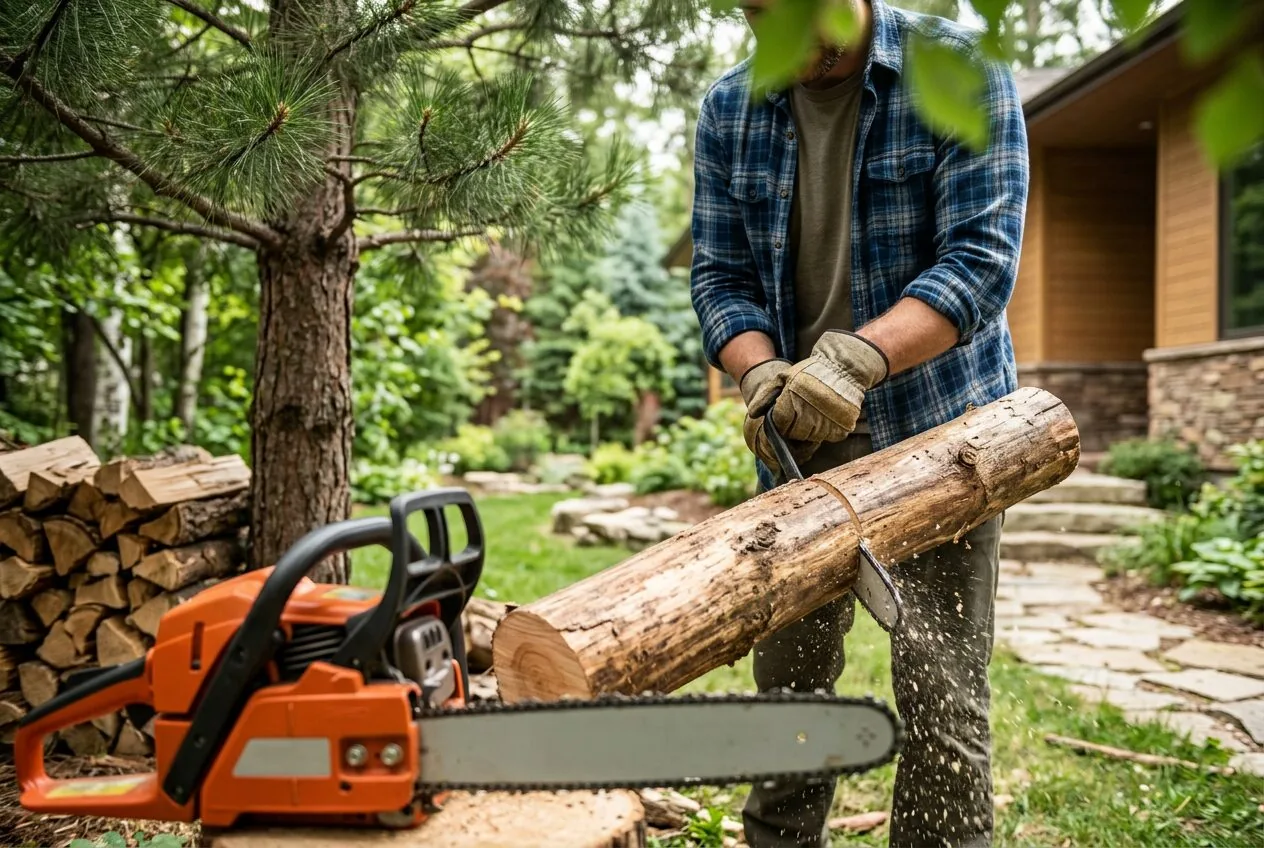
There are two primary cuts for limbing: the undercut and the overcut. For a branch that is free of tension, make a shallow notch cut on the underside first (undercut), then cut downward from the top to meet it.
This prevents the bark from peeling and reduces the risk of the branch splitting.
When working on a branch that is under tension, use a three step cut: first cut partway through from the top, then cut upward from the bottom, and finally finish from the top. This relieves stress safely.
- Position yourself on the uphill side of the branch if on a slope.
- Hold the chainsaw firmly with both hands and keep the chain brake engaged until ready.
- Make the first cut slowly and steadily. Let the saw do the work.
- After the branch falls, move to the next one, always keeping the trunk between you and the saw chain.
Work From the Base Up
Always limb a standing tree from the bottom to the top. This keeps the trunk stable and ensures that falling branches do not trap the saw or knock you off balance.
For a fallen tree, start at the base and work toward the top, but be aware that the top branches are often springy. Cut them in small sections to avoid sudden whipping.
A reliable chainsaw model with a sharp chain will make these cuts smoother.
Handle Branches on the Ground
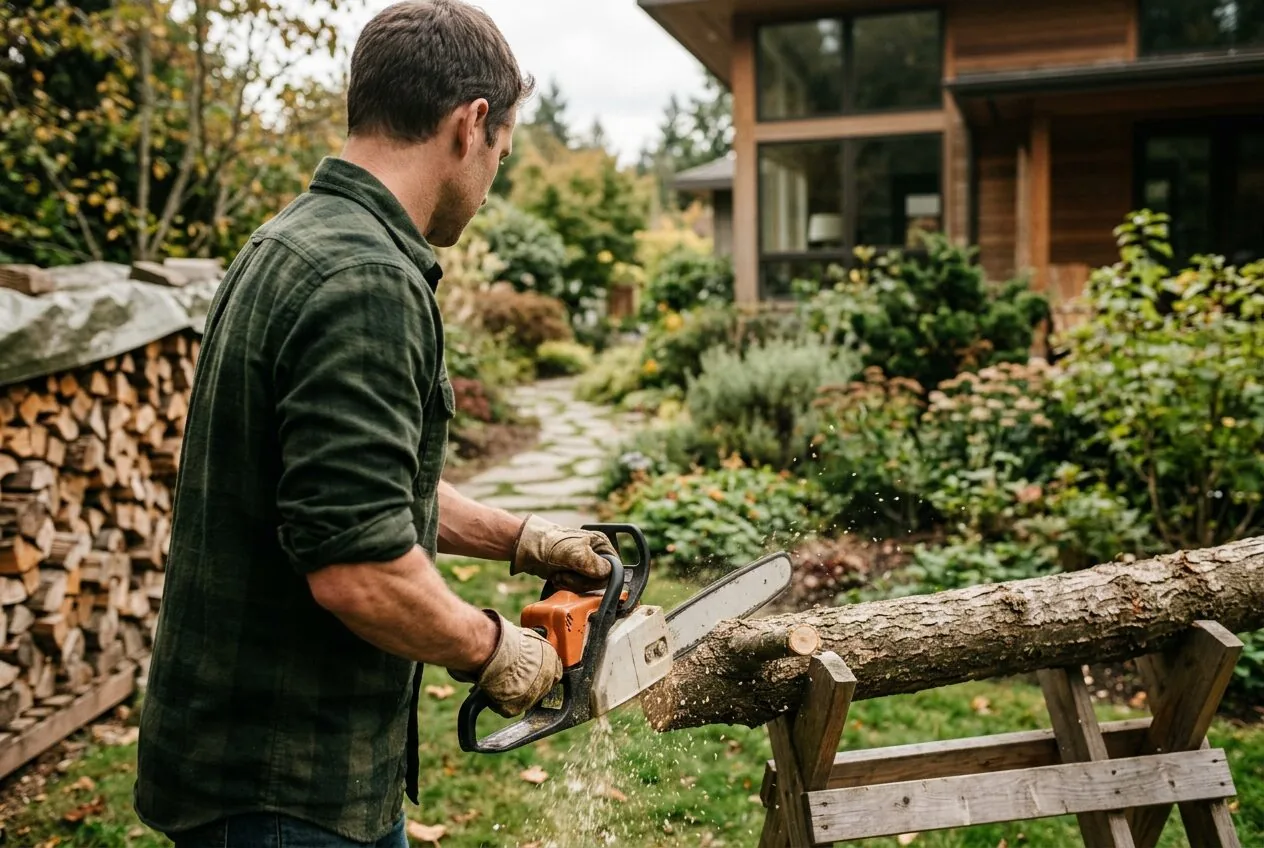
Once a branch is cut off, you may need to cut it into smaller pieces for disposal. Place the branch on a stable surface, such as a sawhorse or another log, to avoid cutting into the dirt.
Never cut a branch that is lying flat on the ground because the chain will dull quickly and you risk kickback. For more tips on saw selection and maintenance, explore the chainsaw category for additional resources.
Frequently Asked Questions
What is the best position to stand when limbing a tree with a chainsaw?
Stand to the side of the branch you are cutting, not directly behind it. Keep your feet shoulder width apart for stability, and always maintain a firm grip with both direct the saw.
If possible, keep the tree trunk between you and the chain to protect yourself from accidental contact.
Can I limb a tree with a chainsaw that is still standing?
Yes, but you must follow the same safety principles. Work from the bottom up, and never cut branches that are above shoulder height.
Use a ladder only if the saw can be operated safely with one hand, which is not recommended. It is better to fell the tree first or have a professional handle tall limbing.
How do I avoid kickback when limbing with a chainsaw?
Kickback happens when the tip of the bar contacts an object. To prevent it, avoid cutting with the nose of the bar, keep the chain sharp, and always maintain a secure grip.
Make sure your saw has a working chain brake and use it when moving between cuts.
Should I limb a wet tree with a chainsaw?
Wet wood is heavier and more prone to binding. The chainsaw chain may slip more easily. If you must cut wet wood, use extra caution, reduce your cutting speed, and ensure your boots have good traction. Dry wood is generally safer to work with.
What size chainsaw do I need for limbing trees?
For most limbing tasks, a chainsaw with a bar length of 14 to 18 inches is sufficient. Lighter saws are easier to maneuver overhead or while holding the saw with one hand (though two hands are always safer).
Check the chainsaws and saws guide for recommendations that fit your typical branch diameter.
About the author

admin writes reviews and buying guides for LAT Review.