
How to Till a Garden Without a Tiller: 5 Effective Methods
Learn how to till a garden without a tiller using manual tools, double digging, and other techniques. Our guide helps you break new ground or improve existing soil without expensive machinery.
 By admin
Updated October 28, 2026
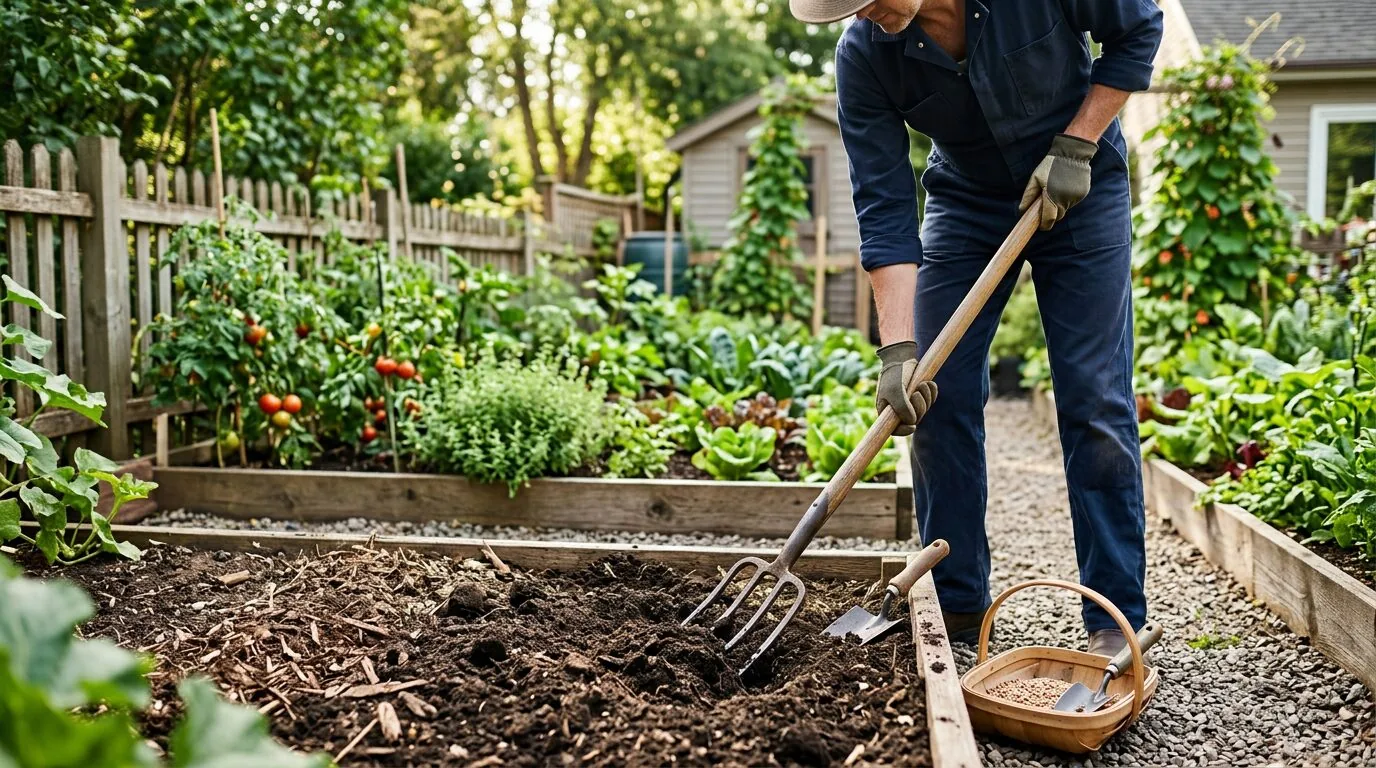
If you want to start a new garden bed or improve existing soil but don’t own a motorized tiller, you’re not out of luck.
Many effective manual techniques can break up compacted earth, mix in organic matter, and create a healthy seedbed. This guide walks you through five practical methods that require only basic lawn care tools and some elbow grease.
1. Double Digging for Deep Soil Aeration
Double digging is a classic method that loosens soil up to two feet deep, promoting deeper root growth. It involves removing the top layer of soil, loosening the subsoil, then replacing the topsoil mixed with compost.
This technique is ideal for heavy clay soils. Work in small sections to avoid overtiring. Use a spade and a garden fork for best results.
You can find specialized tillers and cultivators if you later decide to mechanize, but double digging achieves similar results manually.
2. Using a Broad Fork (U-Bar Digger)
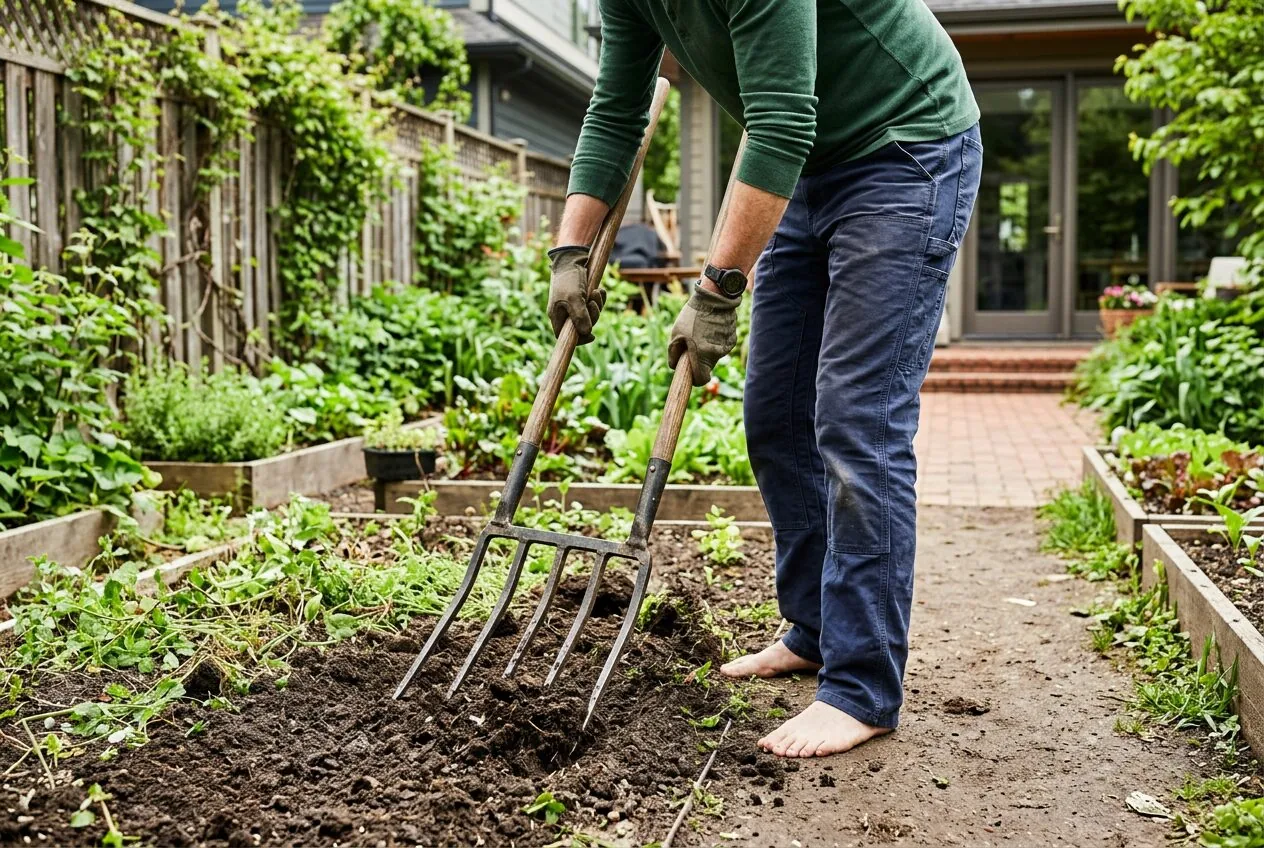
A broad fork is a manual tool that loosens soil without inverting it, preserving beneficial organisms. You stand on the crossbar and push the tines into the ground, then lean back to lever the soil.
This method is excellent for previously tilled beds and works quickly for large areas. It’s easier on your back than traditional digging. Pair it with a rake to level the surface.
3. Manual Digging with a Spade and Fork
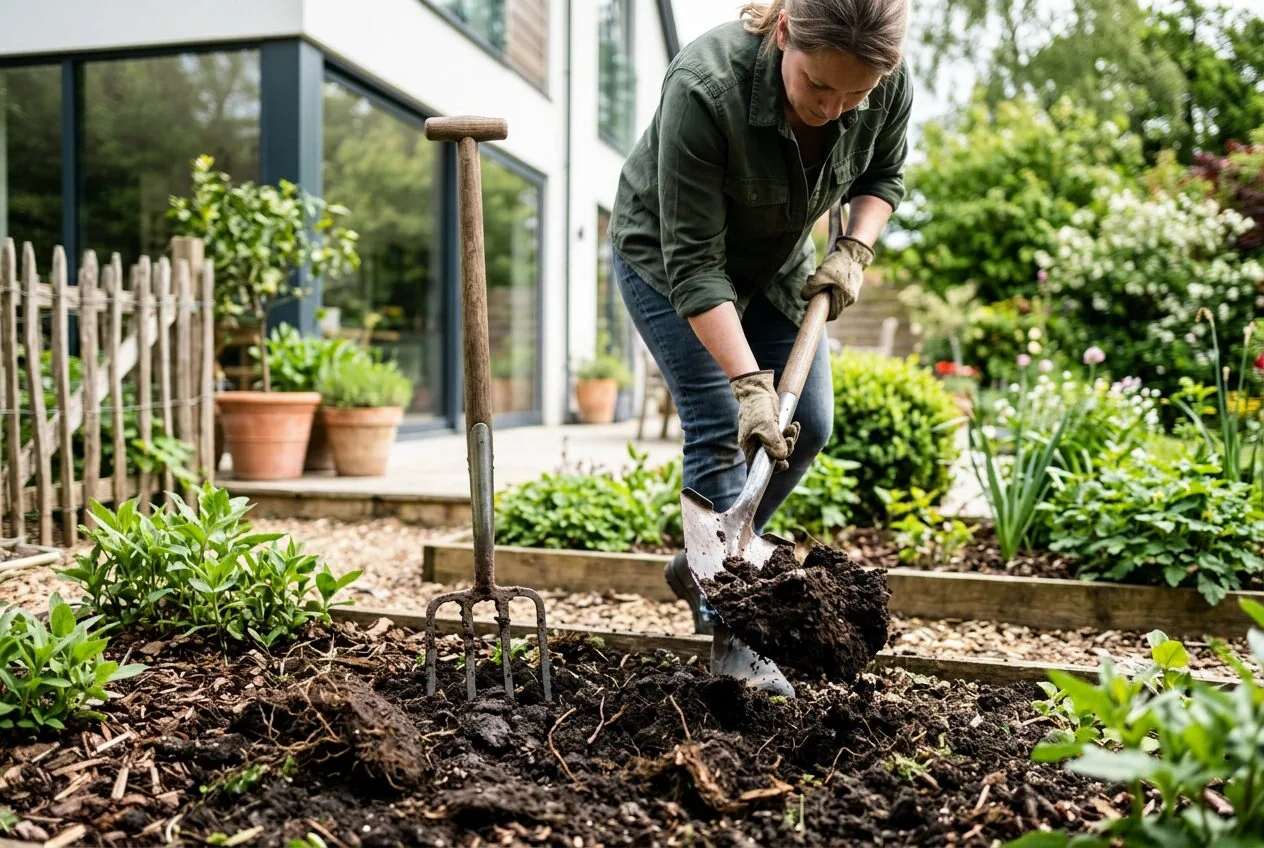
For small to medium gardens, a spade and garden fork can be sufficient. First, slice the soil with a spade to define your bed width. Then use a fork to break up clumps and remove large stones.
Turn the soil to a depth of 8, 10 inches. Add compost or aged manure while turning. This method requires more physical effort but gives you control over soil texture.
4. Solarization or Occultation: Tilling Without Digging
Solarization uses clear plastic to trap solar heat and kill weeds and pathogens in the soil. Occultation uses black plastic or landscape fabric to block light, suppressing weeds.
Both methods soften the soil over several weeks, making it easier to work with hand tools afterward. This is a chemical-free approach that improves soil structure without physical tilling.
5. Sheet Mulching (Lasagna Gardening)
tSheet mulching layers cardboard, compost, straw, and other organic materials directly on top of grass or weeds. Over time, worms and microorganisms break down the layers, creating rich soil without any digging. It’s perfect for building new beds from scratch.
You can plant directly into the compost after a few months. This no-till method builds long-term soil health.
Frequently Asked Questions
How long does manual tilling take compared to a machine?
Manual tilling takes longer, especially for large areas. For a 10×10 foot bed, double digging might take 2, 3 hours, while a tiller could do it in 30 minutes. But manual methods are cheaper and less compacting.
Can I till a garden without any tools at all?
If you have extremely loose, sandy soil, you might be able to work it by hand, but most gardens require at least a spade and fork. For compacted clay, tools are necessary.
Is manual tilling better for soil health than using a tiller?
Yes, manual methods generally preserve soil structure and beneficial organisms better than motorized tillers, which can cause compaction layers and destroy earthworm tunnels.
What is the easiest manual method for a beginner?
Single digging with a spade (simpler than double digging) is the most straightforward. Turn the soil to one spade depth, add compost, and rake smooth. It’s less ambitious but perfectly functional.
Can I use a broad fork on rocky soil?
Broad forks work best in stone-free soil. If your garden has many rocks, remove them first. The tines can be damaged by large rocks, so stick with a standard fork in rocky areas.
About the author

admin writes reviews and buying guides for LAT Review.