
How to Choose Pruning Shears for Arthritis: Tips and Features to Ease Garden Work
Living with arthritis doesn't mean giving up gardening. Learn which ergonomic features like ratchet mechanisms and rolling handles make pruning shears comfortable, plus technique tips to reduce joint pain.
 By admin
Updated October 28, 2026
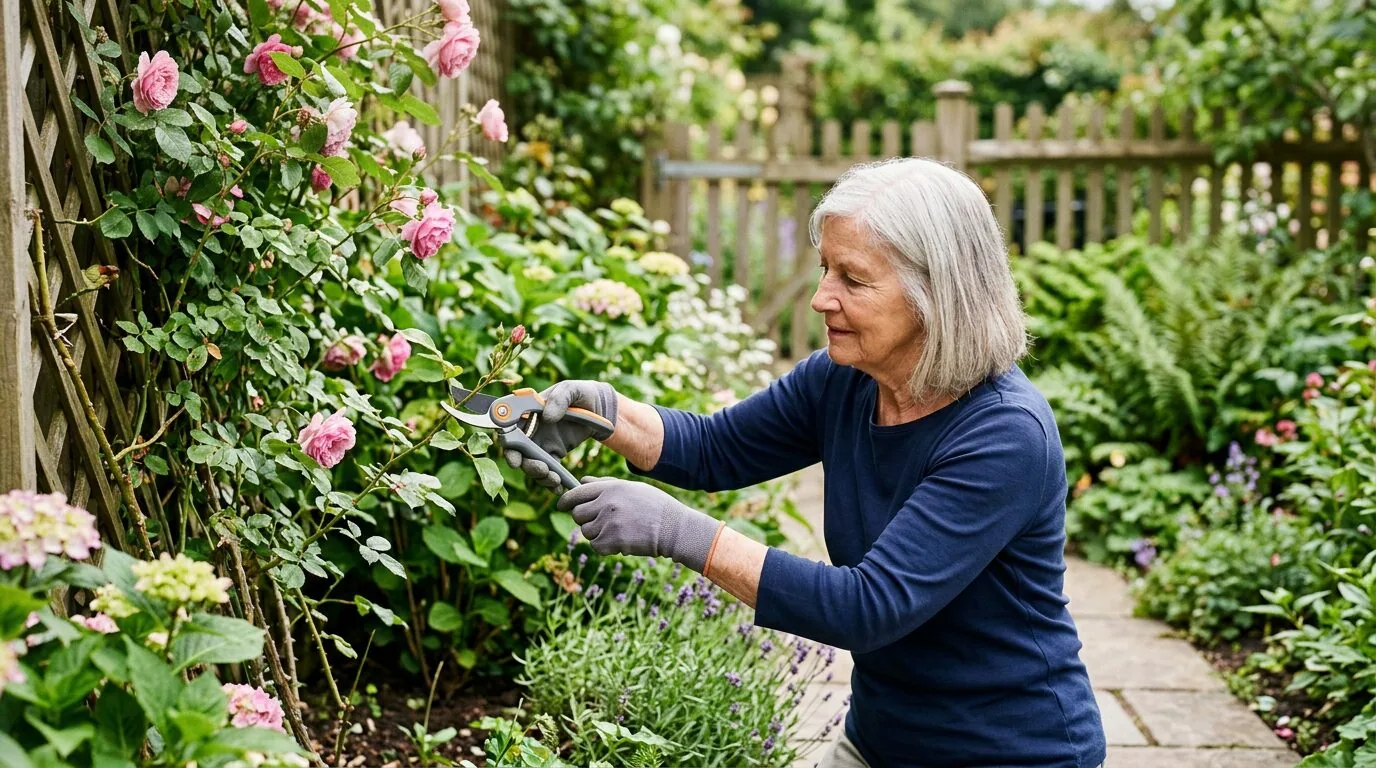
If you live with arthritis, gardening can feel like a battle. The simple act of pruning a rose bush or trimming back perennials might send a sharp pang of pain through your hands.
But with the right pruning shears and a few adjustments to technique, you can keep your garden thriving without punishing your joints. This guide walks you through the key ergonomic features and smart strategies that make cutting comfortable again.
Understanding the Mechanics of Pruning Shears for Arthritic Hands
Before shopping, it helps to know how shears actually work. Most pruning shears fall into two main types: bypass and anvil.
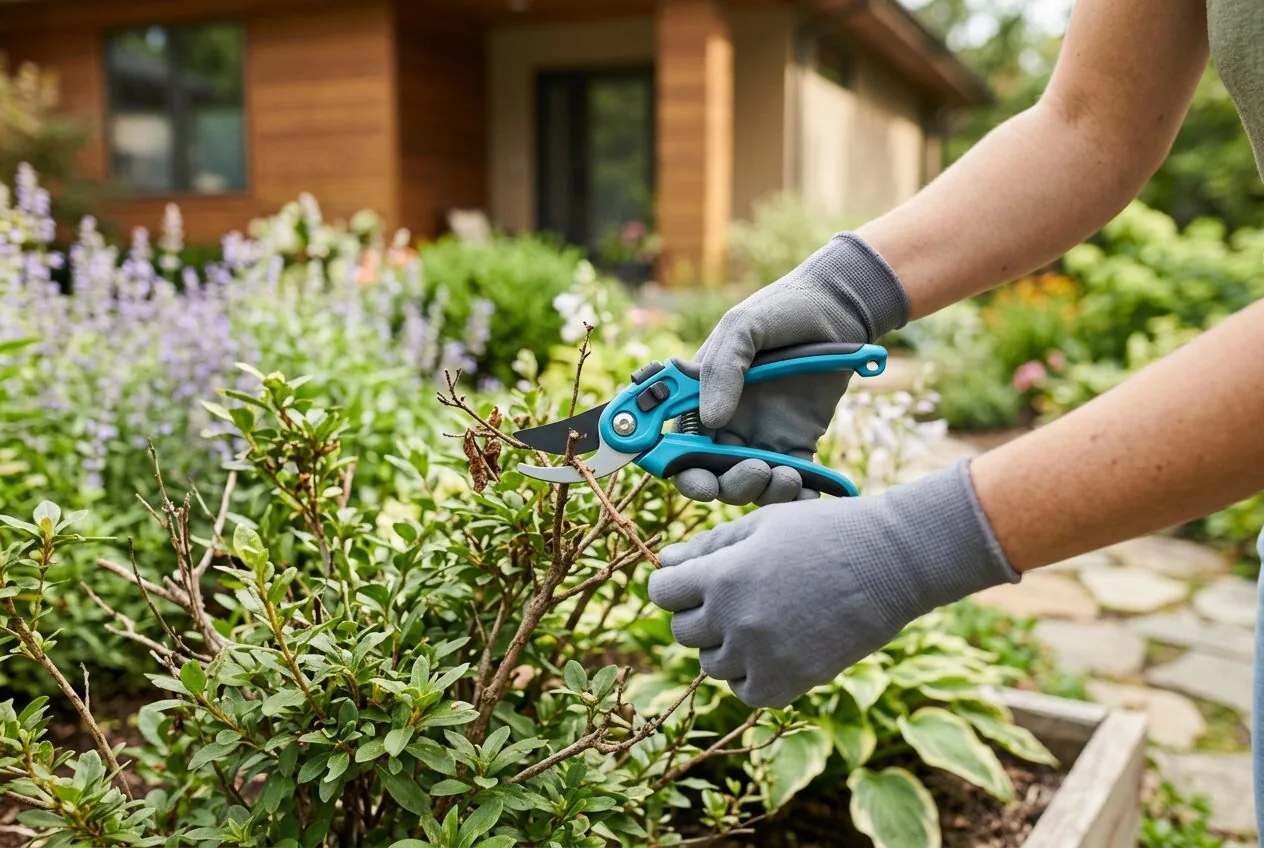
Bypass shears feature two curved blades that slide past each other like scissors, making clean, precise cuts on live green wood.
Anvil shears have a single straight blade that presses down onto a flat surface, crushing the stem in the process. That crushing action can be gentler on weak hands because it requires less effort, but it may damage live tissue.
For arthritis, consider your specific tasks and grip strength.
Key Ergonomic Features for Comfort and Reduced Strain
Ratchet Mechanism
One of the most helpful innovations for arthritic hands is the ratchet action. Ratchet shears cut in stages: each squeeze closes the blade partway, and the mechanism holds the cut while you release and squeeze again.
This lets you divide the cutting force across several smaller motions, greatly reducing peak hand pressure. Many gardeners with arthritis find that ratchet shears allow them to tackle thicker branches without pain.
Rolling Handle and Grip Design
A rolling handle rotates as you open and close the shears, reducing friction and allowing the tool to follow your hand’s natural movement. Look for handles made from soft, non slip rubber or foam that absorb shock and provide cushioning.
Larger grip diameters (about 1.5 to 2 inches) let you use your whole palm instead of pinching with fingers, which is kinder to arthritic knuckles.
Lightweight Materials
Heavy shears fatigue your hands faster. Aluminum alloy or carbon fiber handles cut weight significantly while maintaining durability. Even a few ounces of difference can be noticeable during extended pruning sessions.
Choosing Between Bypass and Anvil Pruning Shears
For live, soft stems and flowers, bypass shears are generally preferred because they slice cleanly, promoting faster healing. For dead or dry branches, anvil shears offer a mechanical advantage that requires less squeeze effort.
Many arthritis friendly options combine a ratchet mechanism with anvil style heads to make cutting hard wood almost effortless. When evaluating different pruning shears and loppers, consider whether your garden has more green growth or dry twigs.
Note that anvil shears tend to crush live stems, which can leave jagged edges that invite disease. If your garden is mostly perennials and soft shrubs, stick with a bypass model that includes a ratchet assist.
Proper Technique to Minimize Pain and Maximize Efficiency
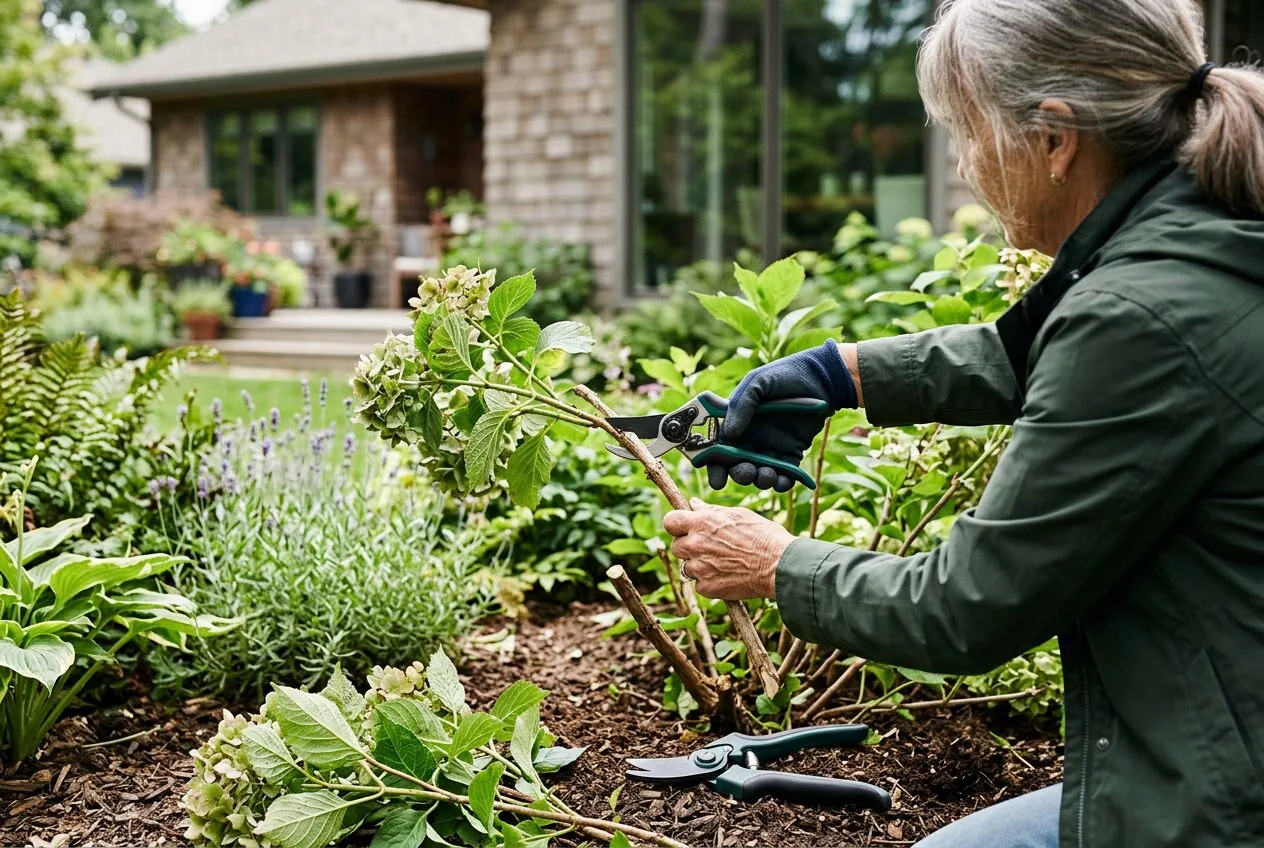
Even the best shears won’t help if you use bad body mechanics. Keep your wrist straight and engage larger arm muscles by bringing the branch closer to your body.
Avoid using only your fingers to squeeze; instead, let your palm and thumb do the work. Take frequent breaks and alternate hands if possible. Sharpening your shears regularly also reduces the force needed a dull blade demands much more effort.
For bigger pruning jobs, you might want a leaf blower and hedge trimmer combo to minimize repetitive hand tasks.
Additional Considerations for Arthritis Friendly Shears
- Safety lock: A simple thumb operated lock prevents accidental closure and reduces strain when carrying.
- Spring assist: An internal spring that opens the blades after each cut can keep your fingers from having to push them apart.
- Handle angle: Rotated or “offset” handles keep your wrist in a neutral position, reducing ulnar deviation common with straight handled shears.
- Maintenance: Clean and lubricate the pivot point regularly a smooth action demands less squeezing effort.
If you are shopping for a complete set of garden essentials, take a look at the range of hand tools available. Knowing what features to prioritize will help you invest in tools that serve your needs for years.
Frequently Asked Questions
Are ratchet pruning shears good for arthritis?
Yes, they are often recommended because they break the cutting force into manageable stages. This lets you cut thicker branches with less hand strength and less pain.
What handle material is best for arthritis?
Soft, cushioned materials like rubber or foam are ideal. They absorb shock, provide a secure grip even in wet conditions, and reduce pressure on joints.
How often should I sharpen my shears to keep them easy to use?
Sharpen at least once a season or whenever you notice the blades tearing instead of cutting. Sharp shears require significantly less squeezing force.
Can I use loppers instead of pruning shears if I have arthritis?
Loppers have longer handles that provide more leverage, which can reduce hand strain for thicker branches. However, they are heavier and may tire your arms. For small to medium stems, ratchet shears are often better.
Are there any powered pruning shears?
Yes, electric or battery powered pruning shears require almost no hand strength. They are a great option for severe arthritis, but they are heavier and more expensive than manual models. Evaluate your needs carefully.
About the author

admin writes reviews and buying guides for LAT Review.