
The 4 Best Gas Powered Leaf Blower Consumer Reports of 2026
A gas powered leaf blower can make yard cleanup faster when you need strong blowing power for leaves and debris. This roundup covers 4 top models from in November 2026 for shoppers comparing options.
 By Rachel Thompson
Updated October 27, 2026
If you are comparing the best gas powered leaf blower consumer reports for yard cleanup, the biggest difference usually comes down to blowing force, comfort, and how long the machine can keep moving heavy debris. In this guide, we focus on 4 gas backpack models that cover everything from homeowner cleanup to more demanding property maintenance, so you can choose a blower that fits your routine instead of overpaying for power you will never use.
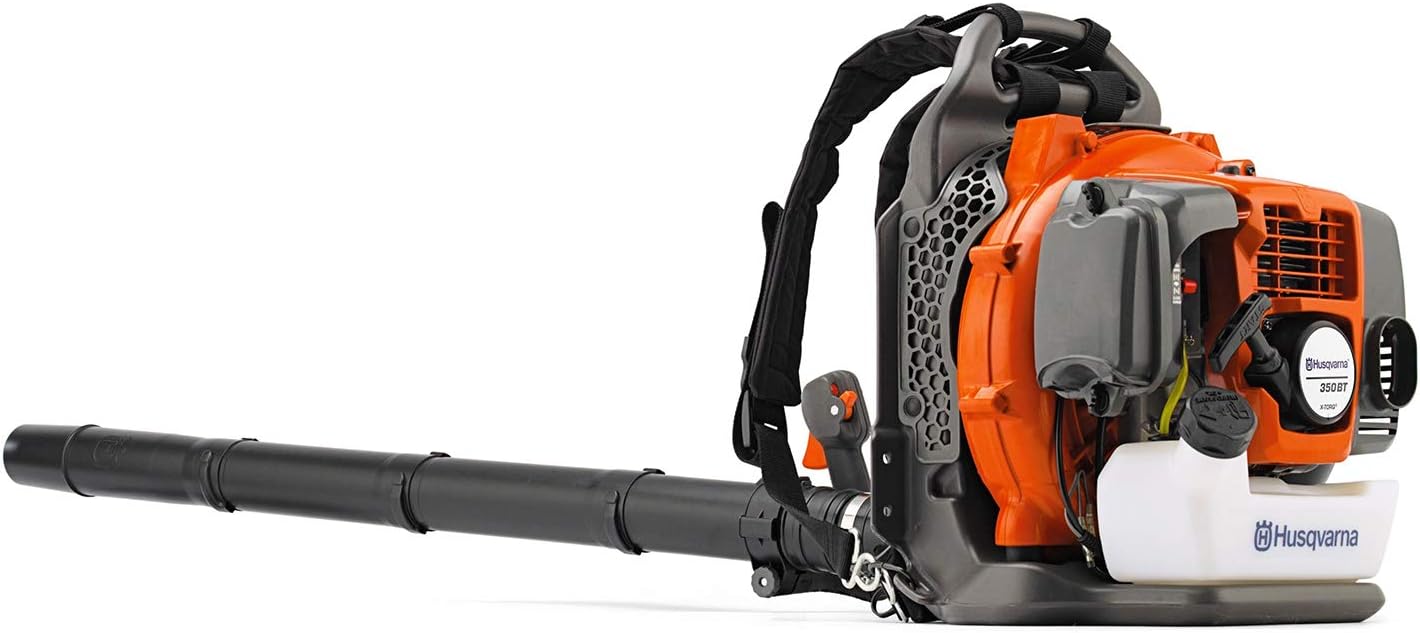
We also looked at how these blowers compare in real-world usability, not just raw specifications. If you want a broader comparison of related blower styles, you can also explore our Leaf Blowers & Vacuums category or check the Backpack Leaf Blowers section for more carry-style options.
| Award | Product | ACMS Score About LAT ScoreACMS Score is calculated based on product ratings, reviews, and sales performance to help you make informed purchasing decisions. | Price | |
|---|---|---|---|---|
| Best Overall |
Husqvarna 350BT 50.2-cc Backpack Leaf Blower
|
8.8/10 | $429.99 | Check price |
| Best Value |
 Husqvarna 360BT Gas Backpack Leaf Blower |
8.8/10 | $499.00 | Check price |
| Best Premium |
 Husqvarna 580BTS III Backpack Leaf Blower |
8.8/10 | $559.28 | Check price |
| Best Budget |
 Husqvarna 150BT 765 CFM Backpack Blower |
7.8/10 | $385.97 | Check price |
Husqvarna 350BT 50.2-cc Backpack Leaf Blower
A powerful, mid-range backpack blower designed for large properties. Its high-output X-Torq engine delivers serious clearing force, while the ergonomic harness and LowVib system aim to improve comfort during extended use.
Pros
- Powerful 2.1-HP engine with high airspeed (180 MPH) and airflow (692 CFM)
- Ergonomic harness and weight-leveling system for better load management
- Air purge system for easier starting and LowVib technology reduces vibrations
- Fuel-efficient X-Torq engine that reduces emissions
- Cruise control and tube-mounted throttle for operational ease
Cons
- Relatively heavy at 22 pounds for a backpack unit
- Gas-powered operation requires fuel mixing and regular maintenance
Husqvarna 360BT Gas Backpack Leaf Blower
A commercial-style gas backpack blower for demanding yard work, generating powerful 232 MPH airspeed. Its ergonomic harness and LowVib system aim to reduce operator fatigue, making it a candidate for professionals and serious homeowners with large properties.
Pros
- Exceptional clearing power with 232 MPH wind speed and 890 CFM airflow.
- Ergonomic design featuring a load-reducing harness and adjustable offset handle to minimize strain.
- Air purge system is intended for easier starting, and cruise control aids in sustained operation.
- The 2-cycle X-TORQ engine is designed for efficiency and power.
Cons
- At 23.2 pounds, it is a heavy piece of equipment.
- Being gas-powered, it requires fuel mixing and regular engine maintenance.
- Generates operational noise, which is typical for its power class.
Husqvarna 580BTS III Backpack Leaf Blower
This commercial-grade backpack blower is built for demanding, all-day professional use. Its powerful 2-stroke engine delivers high air volume and velocity for moving heavy debris, while the ergonomic harness and hip belt help manage its substantial weight during extended operation.
Pros
- Powerful 75.6cc engine with high air volume (1000 CFM) and velocity (220 MPH)
- Designed for professional, long-duration use with an ergonomic, ventilated harness and padded hip belt
- Commercial-grade air filter for enhanced engine protection and longevity
- Tube-mounted throttle for convenient control while operating
Cons
- Heavy at 34 pounds, which is typical for its power class
- Gasoline-powered, requiring fuel mixing and producing emissions
Husqvarna 150BT 765 CFM Backpack Blower
This gas backpack leaf blower uses a 51 cc 2 cycle engine and lists 270 MPH, 765 CFM, and 22 N of blowing force, so it is aimed at homeowners who need strong power for wet leaves and larger cleanup jobs. The padded harness, hip belt, and weight leveling design are built to improve comfort, while the air purge and cruise control throttle are designed to make starting and steady operation easier.
Pros
- Lists 270 MPH air speed, 765 CFM airflow, and 22 N blowing force for strong clearing power
- Padded harness, hip belt, and weight leveling design are intended to improve backpack comfort
- Air purge system and cruise control throttle are built to simplify starting and steady speed operation
- 51 cc 2 cycle 2.16 HP engine is designed for high power, including at low RPMs
- Suitable for heavy wet leaves, yard debris, and lawn cleanup
Cons
- Requires gasoline and 50:1 fuel mixing, unlike electric or battery models
- 22 pound weight may be noticeable during longer use
- Base warranty is 2 years, unless extended by buying qualifying fuel
Best Gas Powered Leaf Blower Consumer Reports Buying Guide
Choosing the right gas blower is easier when you focus on the job you actually need to do. A large suburban yard with dry leaves has very different demands from a property with wet debris, pine needles, or long driveway edges. The four models in this roundup show that a good purchase is not always the most powerful one on paper. Comfort, balance, and fuel efficiency matter just as much when you have to use the blower for more than a few minutes at a time.
Blowing Force and Air Volume
For gas blowers, the two numbers that matter most are air speed and air volume. Air speed helps move stubborn debris, while air volume helps clear broad areas faster. When you are comparing models, look at both together instead of chasing the highest MPH figure alone. A blower with strong airflow but weak volume may feel impressive in short bursts, yet it can take longer to finish a full cleanup.
The Husqvarna 360BT Gas Backpack Leaf Blower stands out here because it combines very strong wind speed with a large airflow rating. That makes it a strong fit for bigger yards, heavier leaf piles, and users who want fewer passes over the same area. If your property often collects damp leaves or thick debris, prioritize models with stronger blowing force rather than choosing a lighter machine that will take multiple rounds to clear the same space.
A practical way to think about performance is to match it to your cleanup size. For a quick driveway and patio sweep, moderate power may be enough. For long fence lines, larger lawns, or seasonal cleanups after storms, stronger airflow reduces fatigue because you spend less time retracing the same path. If you are balancing cleanup speed against comfort, the best option is usually the one that gets the job done in one or two efficient passes.
Engine Size and Fuel Efficiency
Engine displacement gives you a useful clue about what kind of work a blower can handle, but bigger is not automatically better. Smaller engines are often easier to handle and can be more fuel conscious, while larger engines are built for sustained output and tougher debris. The right choice depends on whether you want a tool for routine weekly cleanup or for more demanding seasonal work.
The Husqvarna 350BT Gas Leaf Blower is a good example of a balanced design. Its engine is sized for strong general-purpose performance without moving into the heaviest commercial territory. That balance makes it appealing for homeowners who want serious power without stepping into the largest and most tiring class of backpack blowers. It is often the sweet spot for people who need dependable output but do not want unnecessary bulk.
If you need to clean large outdoor spaces repeatedly, a bigger engine may save time over the long run. But if most of your work involves edging walkways, clearing grass clippings, and maintaining a typical yard, a moderately sized engine can be the better purchase because it is easier to control and often less exhausting. For more guidance on choosing the right style, our Gas & Handheld Leaf Blowers category can help you compare setups.
Comfort, Harness Design, and Weight Distribution
Comfort matters more than many buyers expect. A backpack blower can feel easy for the first few minutes and then become tiring if the harness is poorly designed or the weight sits awkwardly on your back. Look for padded straps, balanced weight distribution, and controls that do not force your wrist or arm into an awkward position. These details reduce fatigue and help you maintain steadier control while moving around obstacles.
The Husqvarna 150BT Gas Backpack Leaf Blower is a strong example of comfort-focused design because it uses a padded harness, hip belt, and load management features to spread the weight more evenly. That kind of setup is especially helpful if you expect to wear the blower for longer cleanup sessions or if you have uneven terrain that requires constant repositioning. Even a powerful blower becomes less useful if it is uncomfortable enough that you avoid using it.
One useful rule is to think about how long you normally spend on yard cleanup in a single session. If you only blow for a few minutes at a time, comfort may be secondary. If you spend a full afternoon clearing leaves, then the harness, hip belt, and overall balance can matter as much as the engine. That is why backpack models with good ergonomics often feel like a better value even when they are not the most powerful option.
Starting Ease, Controls, and Everyday Convenience
Convenience features may not look flashy, but they make a big difference in day-to-day ownership. Air purge systems, cruise control, tube-mounted throttles, and vibration reduction all help the machine feel easier to live with. If a blower is hard to start or awkward to regulate, you may end up using it less often, which reduces the value of the purchase.
These details are especially useful for homeowners who want a machine that feels predictable from one season to the next. A blower that starts cleanly and lets you hold a steady speed is easier to use around flower beds, patios, and other delicate spaces. It also helps when you want to work efficiently without constantly adjusting your grip or stopping to reset the tool.
When comparing models, ask yourself whether you want maximum output or the smoothest workflow. In many cases, a blower with slightly less power but better throttle control can be the smarter everyday choice. That is because practical control often saves more time than raw force, especially around edges and tight corners where precision matters.
Best Fit by Property Size and Cleanup Type
The best gas powered leaf blower consumer reports for your home depends on the kind of debris you deal with most often. Light, dry leaves spread across a small yard do not require the same machine as heavy, wet leaves piled under trees or along a long driveway. If you regularly work in autumn after rain, prioritize stronger blow force and a comfortable harness. If you mostly want occasional cleanup, a more balanced blower may give you a better experience overall.
| Cleanup Need | Best Feature to Prioritize | What It Helps With |
|---|---|---|
| Small to medium yard | Balanced power and manageable weight | Quick routine cleanup without excessive fatigue |
| Large property | Higher air volume and stronger blow force | Fewer passes over wide open areas |
| Wet leaves and debris | High torque and strong airflow | Moving heavier material more effectively |
| Long work sessions | Ergonomic harness and vibration control | Less strain during extended use |
If you are still deciding between styles, our backpack blower and vacuum guide is a helpful next step for comparing similar outdoor cleanup tools. The right fit is the one that matches both the size of your property and the kind of debris you face most often.
Why You Should Trust Us
We build our recommendations by comparing product specifications, feature sets, and user feedback patterns rather than relying on marketing language alone. That means we look at how each blower is positioned for power, comfort, and convenience, then weigh those details against the needs of real homeowners and property owners. Our goal is to highlight the models that make sense for different use cases, not just the ones with the loudest claims.
We also focus on transparency. If a model is better suited for large properties, we say so. If another is more balanced for general use, we point that out too. By comparing the available data in a consistent way, we can help you narrow down the best option without forcing every buyer into the same recommendation. For more context on how these categories fit together, you can also browse the Leaf Vacuums & Mulchers section.
Final Thoughts
Our best overall pick is the Husqvarna 350BT Gas Leaf Blower. It offers a strong mix of power, control, and ergonomic design, which makes it a smart all-around choice for most homeowners who want dependable backpack blower performance without moving into a heavier-duty class. If you want a model that feels balanced across power and usability, this is the one we would put at the top of the list.
For best value, the Husqvarna 150BT Gas Backpack Leaf Blower is the most appealing option for buyers who want solid performance with comfort-focused features. It brings together strong clearing ability and a supportive harness setup, making it a practical choice if you plan to use the blower regularly and want something that is easier to carry over longer sessions. If you want a deeper comparison across similar tools, our Backpack Leaf Blowers category is a useful next stop.
For more demanding cleanup, the Husqvarna 360BT Gas Backpack Leaf Blower is the best fit for bigger properties and heavier debris, while the Husqvarna 580BTS Gas Backpack Leaf Blower is the model to consider when you want the strongest commercial-style performance in this group. If your yard care routine changes with the seasons, choosing based on your toughest cleanup days will matter more than choosing the highest number on paper.
FAQs
What is the best gas powered leaf blower consumer reports in 2026 for most homeowners?
For most homeowners, the best choice is usually the model that balances power, comfort, and easy handling rather than the most aggressive blower available. In this roundup, the Husqvarna 350BT Gas Leaf Blower is a strong all-around recommendation because it combines serious clearing ability with a design that is still practical for regular yard work.
Are gas backpack leaf blowers better than handheld models?
Gas backpack models are usually better when you need longer runtime, higher airflow, and better weight distribution for extended cleanup sessions. Handheld blowers are easier to grab for quick jobs, but backpack units often feel more efficient for larger properties or tougher debris. If you want to compare categories, the Gas & Handheld Leaf Blowers page is a useful reference.
How much blowing force do I need for wet leaves?
Wet leaves are harder to move because they cling together and weigh more than dry debris, so stronger airflow and higher blowing force help a lot. If your yard often deals with damp piles, a model like the Husqvarna 360BT Gas Backpack Leaf Blower is better suited than a lighter-duty option. You will save time if the machine can move the material in fewer passes instead of requiring repeated sweeping.
What features help reduce fatigue during longer cleanup jobs?
Padded straps, a balanced harness, vibration reduction, and a hip belt all help make a backpack blower easier to carry. The Husqvarna 150BT Gas Backpack Leaf Blower is a good example of this kind of comfort-first setup. When those features are done well, you can work longer with less strain on your shoulders and arms.
How do I choose between power and portability?
If portability matters most, choose the lightest model that still handles your usual debris. If your cleanup is often demanding, prioritize airflow and ergonomics over shaving off a little weight. The best approach is to match the blower to your toughest regular job, not the easiest one, so you get a tool that stays useful throughout the season.
About the author
Editor, Lawn Care Equipment. Based in Columbus, Ohio. Rachel looks after a half-acre suburban lawn and a vegetable plot. She focuses on trimmers, edgers, sweepers, tillers, and the small upgrades that make a yard easier to keep tidy.