
The 4 Best Garden Cultivators Tillers of 2026
Need a tool that breaks up tough soil and keeps your garden beds ready for planting? The best garden cultivators tillers roundup covers 4 top models in November 2026 from Mantis, SunJoe, EWORK.
 By Rachel Thompson
Updated October 27, 2026
If you are comparing Best Garden Cultivators Tillers, you already know the difference between a tool that simply stirs soil and one that actually helps you prepare a bed for planting. The right choice can save time, reduce fatigue, and make your garden easier to manage through the season. In this guide, we break down 4 options for November 2026 and focus on the details that matter most for home gardeners and property owners.
We also recommend checking our broader Lawn Care Tools category if you are comparing cultivators with other yard maintenance equipment. That makes it easier to choose the right machine for your space, whether you want lighter soil conditioning or more aggressive tilling for larger plots.
| Award | Product | ACMS Score About LAT ScoreACMS Score is calculated based on product ratings, reviews, and sales performance to help you make informed purchasing decisions. | Price | |
|---|---|---|---|---|
| Best Premium |
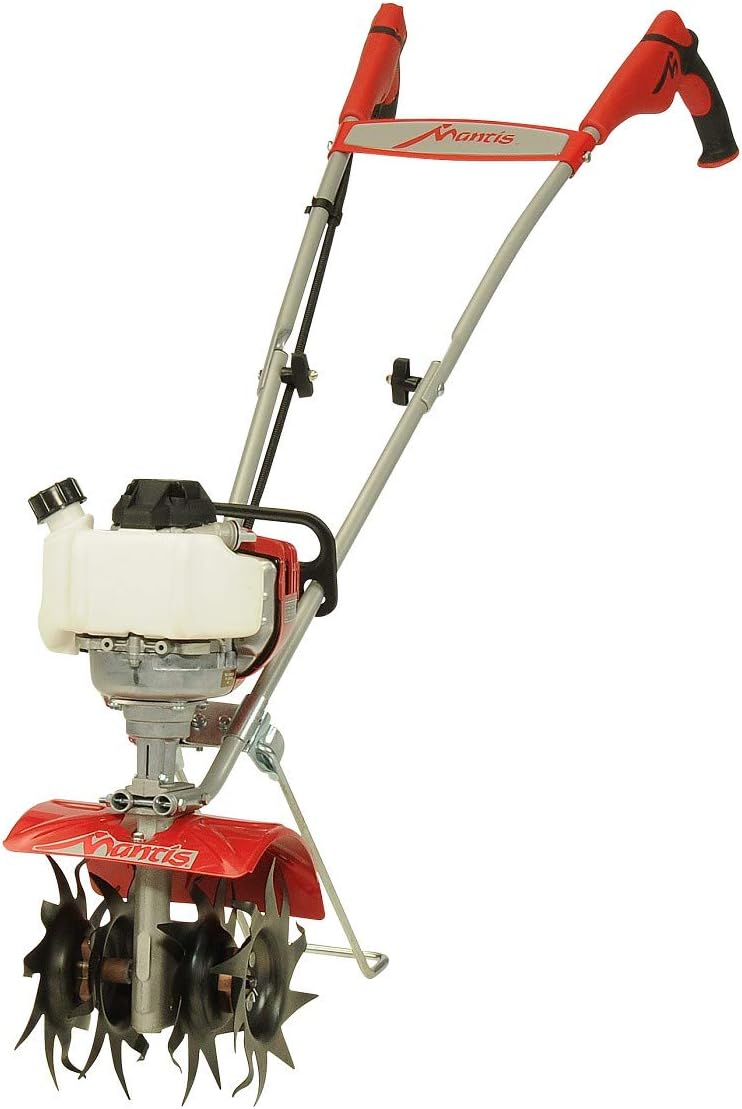
Mantis 7940 4-Cycle Tiller
|
8.6/10 | $489.99 | Check price |
| Best Budget |
 EWORK EK-DLT22A-2MR 20V Cordless Tiller |
8.4/10 | $59.99 | Check price |
| Best Value |
 Sun Joe TJ604E Corded Electric Tiller |
8.8/10 | $149.99 | Check price |
| Best Overall |
 Fiskars 391461-1003 28-Inch Bypass Loppers |
9.1/10 | $17.46 | Check price |
Mantis 7940 4-Cycle Tiller
A compact gas tiller built around a Honda-powered 4-cycle engine, this Mantis model focuses on easy handling and straightforward operation. At 24 pounds, it is a practical fit for gardeners who want a lightweight machine for breaking up soil, cultivating rows, and weeding around established plants.
Pros
- Very light at 24 pounds, so it is easy to carry and maneuver.
- Honda-powered 4-cycle engine runs on gas only, with no fuel mixing required.
- Infinite speed control helps match the pace to different tasks.
- Curvy tines can till up to 10 inches deep and can be flipped for precision weeding.
- Folding handlebars and a kickstand make storage and setup easier.
Cons
- Lightweight build may feel less substantial than larger tillers for heavy-duty work.
EWORK EK-DLT22A-2MR 20V Cordless Tiller
EWORK's 20V cordless tiller is designed for small and medium garden beds, with a 9 inch width and 7 inch depth. The included pair of 2.0Ah batteries and fast charger support up to 100 minutes of total continuous runtime, while the lightweight handheld frame suits beginners and gardeners working in tight spaces.
Pros
- 20V cordless motor for compact soil, weeding, and aeration
- Two 2.0Ah batteries and fast charger for up to 100 minutes of total continuous runtime
- 9 inch width and 7 inch depth for raised beds, vegetable patches, and tight spaces
- Lightweight ergonomic handheld design with one hand operation
- Includes splash guard, two steel rotary blades, and a 12 month warranty
Cons
- The 9 inch width and 7 inch depth suit small and medium beds more than large open plots
- Runtime depends on the included pair of 2.0Ah batteries, so single battery sessions will be shorter
Sun Joe TJ604E Corded Electric Tiller
A compact, electric tiller for small to medium garden beds. Its 13.5-amp motor and steel tines handle soil preparation efficiently, while the folding handle simplifies storage.
Pros
- Powerful 13.5-amp motor for effective tilling
- Rust-proof, durable steel tines
- Compact with a folding handle for easy storage
- Corded electric design eliminates gas and oil maintenance
- Adjustable wheels for depth control
Cons
- Corded design limits range and requires a power outlet
- Primarily suitable for small to medium spaces, not large-scale tilling
Fiskars 391461-1003 28-Inch Bypass Loppers
A premium, heavy-duty lopper built for tackling thick branches up to 1.5 inches. Its non-stick, fully-hardened stainless steel blades deliver clean cuts, while the shock-absorbing handles provide comfort during extended use.
Pros
- Excellent 4.8-star rating from over 13,500 verified buyers.
- Replaceable, low-friction steel blades stay sharp and resist rust.
- Shock-absorbing bumper and soft grips reduce hand fatigue.
- Backed by a full lifetime warranty for long-term reliability.
- Ample 28-inch handles provide good leverage for powerful cuts.
Cons
- At nearly 3 pounds, it is heavier than many standard loppers.
- The 1.5-inch cutting capacity may be insufficient for very large, established branches.
Best Garden Cultivators Tillers Buying Guide
Tilling Power and Soil Type
The first thing to think about is how hard your soil really is. Loose, previously worked garden beds need far less aggressive tilling than packed clay, compacted sod, or ground that has not been cultivated in a while. A lighter cultivator can be perfect for mixing compost and weed control, while a more powerful tiller is better when you need to break new ground or prepare a large area from scratch.
For most buyers, the best approach is to match the tool to the worst soil you expect to handle regularly, not the easiest. If your garden has mixed conditions, prioritize a machine that gives you a little more headroom so it does not bog down when you hit denser patches. That extra capability often matters more than a small difference in size or styling.
Working Width and Depth
Working width tells you how much soil the tool can cover in one pass, while working depth tells you how deeply it can penetrate. A wider tool can speed up bed preparation, but it may be harder to control in narrow rows or raised beds. Depth matters just as much because shallow cultivation may only scratch the surface, while deeper engagement can help mix amendments into the root zone more effectively.
When you are deciding between models, think about the space you manage most often. Tight spaces, raised beds, and around established plants usually benefit from a narrower, more precise machine. Larger plots or open vegetable rows are easier to maintain with a broader tool, especially if you want fewer passes and less overlap.
| Garden Task | Suggested Width | Why It Helps |
|---|---|---|
| Raised beds | Narrow to medium | Improves control near edges and plants |
| Vegetable rows | Medium | Balances speed and maneuverability |
| Open plots | Wide | Reduces total passes across the soil |
Weight, Handling, and Fatigue
Weight affects more than transport. A heavier cultivator can dig in better and feel stable in tough ground, but it may be tiring to turn around the garden or lift into storage. A lighter machine is easier to maneuver and can be a better fit for frequent use, especially if you work in smaller areas or need to move the tool often.
Ergonomics also matter. Look at handle shape, grip comfort, and whether the controls make sense when you are pushing through dense soil. If you use a tool for more than a few minutes at a time, comfort becomes a real performance feature, not just a convenience.
The B00V6IEVXM option is a useful example to keep in mind when thinking about handling and control because many buyers in this category end up choosing based on how manageable the machine feels during repeated passes. If you want a deeper look at how these tools fit into a broader yard-care setup, our Tillers & Cultivators category page is a good place to compare similar options.
Corded vs. Cordless Convenience
Power source changes how you use the tool every time you step into the garden. Corded units usually give you uninterrupted runtime, which is valuable if you work near an outlet and want a lighter setup without charging downtime. Cordless machines are easier to move around and can be more convenient in yards with obstacles, but you need to think about battery runtime and recharge planning.
If your sessions are short and your planting areas are close to the house, corded convenience may be the smarter choice. If you work farther from power access or value quick setup, a battery-powered model can be easier to live with even if you have to manage runtime more carefully. The right decision depends on your property layout, not just the label on the box.
Build Quality and Long-Term Maintenance
Since cultivators and tillers work directly in soil, durability matters more than people sometimes expect. Look for solid housing, sturdy tines, and a design that seems easy to clean after use. Soil, roots, and moisture all put stress on the machine, so simple maintenance access can extend the life of the tool and make ownership less frustrating.
It also helps to think beyond the first season. A tool that is easy to store, clean, and inspect may save more money over time than one that looks appealing but is awkward to maintain. If you want to compare them with other outdoor equipment, our Lawn Sweepers sibling page can help you think about the broader maintenance workflow in your yard.
The B0G58JJQ49 model is a good reference point here because buyers often look at how a machine is built when they expect regular seasonal use. A more durable design can be especially useful if you plan to prep beds multiple times throughout the growing season.
Ease of Assembly and Storage
Some garden tools are easy to use but annoying to store. If your shed, garage, or utility space is limited, a design that folds, separates, or tucks away neatly can be a big advantage. Assembly matters too because a complicated setup can turn a tool you would use often into one that sits unused.
Pay attention to whether you need tools for setup, how many parts are involved, and whether the machine feels intuitive from the start. A cultivator that is easier to assemble and store is more likely to become part of your regular routine, which is often the real test of value.
Why You Should Trust Us
Our recommendations are based on a structured comparison of product listings, published specifications, and the features that matter most in real gardening use. We focus on objective factors such as power approach, working size, control, portability, and maintenance considerations so you can compare models on practical grounds rather than marketing claims.
We also keep our process transparent. When a product has limited public detail, we avoid overstating what it can do and instead judge it against the category standards that matter to shoppers looking for Best Garden Cultivators Tillers. That helps us recommend tools that fit different yard sizes, soil conditions, and experience levels with as much clarity as possible.
Final Thoughts
If you want the best overall balance of usability and category fit, our top recommendation is B00N6X9VY4. It stands out as the most straightforward starting point for most buyers because the best overall choice in this category should be versatile enough for routine bed prep without feeling overly specialized. For shoppers looking to compare it with other yard gear, the Lawn Care Tools category is a useful next stop.
For a strong value-oriented pick, B00V6IEVXM is a smart option if you want a tool that should appeal to buyers focused on everyday convenience and manageable operation. If your priority is a more task-specific choice, B0G58JJQ49 is the one we would point to for gardeners who care most about consistent seasonal use and a more durable-feeling build. You can also browse our Tillers & Cultivators category page to continue comparing similar models.
The remaining options, including B0H6N5LLB5 and B01DTIC79Q, still deserve a look if you are narrowing your final shortlist. What matters most is matching the tool to your soil, your garden size, and how often you expect to use it. The best Best Garden Cultivators Tillers are the ones that make garden prep easier without creating extra work for you.
FAQs
What is the best garden cultivators tillers in 2026?
The best option depends on whether you value broad versatility, easier handling, or a more specialized fit for tougher ground. For most readers, the best choice is the one that balances soil penetration, maneuverability, and storage convenience without overcomplicating the job.
How do I choose between a tiller and a cultivator?
A cultivator is usually better for loosening existing soil, blending in compost, and maintaining beds, while a tiller is better for breaking new ground or working compacted areas. If your garden is already established, a lighter cultivator often makes more sense. If you need to prepare a new plot, a more aggressive tiller is usually the better tool.
Are Best Garden Cultivators Tillers good for small gardens?
Yes, many models in this category work very well in smaller gardens, especially if they have a narrower working path and good control. The key is choosing a tool that can maneuver around rows and beds without requiring too much effort from you. For compact spaces, lighter handling is often more important than maximum power.
What should I look for if I have hard soil?
If your ground is dense or compacted, focus on stronger digging performance, stable handling, and a design that can keep moving without bogging down. It also helps to pre-water extremely dry soil and work in passes rather than trying to force the machine through all at once. That approach reduces strain on both you and the tool.
Where can I compare more garden tool reviews?
You can explore more equipment comparisons in our Lawn Care Tools section, which brings together related outdoor maintenance guides. That is a helpful way to compare cultivators with other tools before making a final decision.
About the author
Editor, Lawn Care Equipment. Based in Columbus, Ohio. Rachel looks after a half-acre suburban lawn and a vegetable plot. She focuses on trimmers, edgers, sweepers, tillers, and the small upgrades that make a yard easier to keep tidy.