
Ginkman 42 Lawn Sweeper Tow Behind Review: Efficient Large-Area Debris Collection
The Ginkman 42 Lawn Sweeper Tow Behind is a high-capacity attachment designed to efficiently clear dry leaves, clippings, and debris from expansive lawns with minimal stops.
 By admin
Updated November 5, 2026
Quick Verdict
8.1/10This large-capacity lawn sweeper is built for efficiently clearing dry debris from expansive properties. Its wide path and big hopper minimize dumping stops, while a tool-free height adjustment and universal hitch offer practical convenience.
What we like
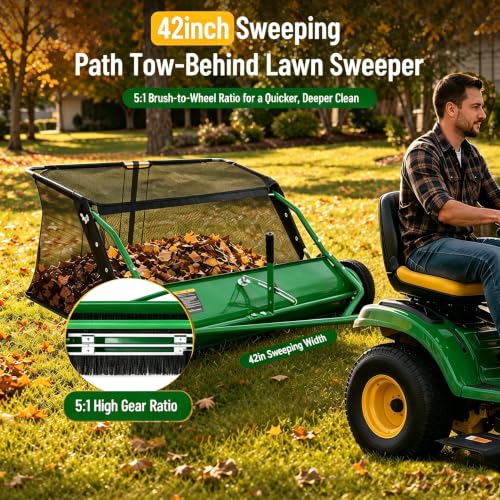
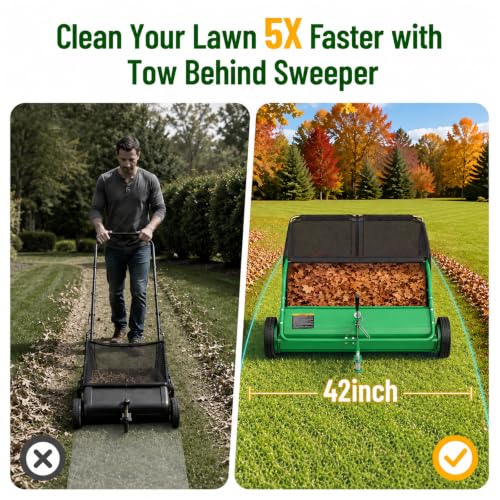
- Extra-wide 42-inch sweeping path covers ground quickly.
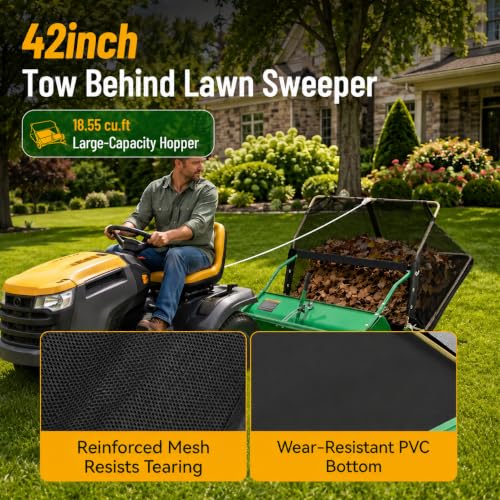
- High-volume 18.55 cu. ft. hopper reduces the frequency of stops.
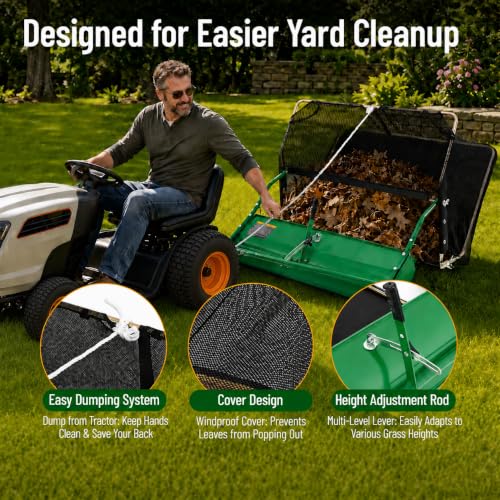
- Adjustable brush height requires no tools for different surfaces.
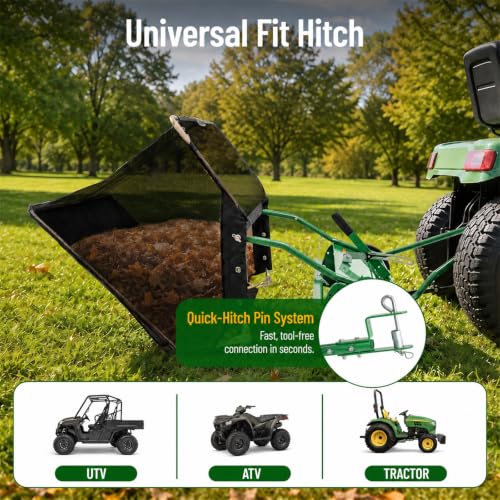
- Universal hitch fits most lawn tractors, riding mowers, ATVs, and UTVs.
- Folds down for compact, space-saving storage.
Watch out for
- Designed for dry yard debris like leaves and clippings, not for wet or heavy material.
- Requires a compatible towing vehicle for operation.
For homeowners and property managers with large lawns, the annual task of clearing leaves, pine needles, and grass clippings can be a time-consuming chore. The Ginkman 42 Lawn Sweeper Tow Behind is designed specifically to tackle this challenge, offering a tow-behind solution that aims to dramatically cut down on cleanup time. This attachment connects to a riding mower, lawn tractor, ATV, or UTV, turning a simple drive around the property into an efficient debris-collection run. In short, it promises to make seasonal yard maintenance faster and less labor-intensive for those with significant acreage.
This review will analyze the Ginkman 42 Lawn Sweeper based on its provided specifications, design features, and intended use case. We will examine its core promise of wide-area coverage and high-volume collection, along with practical considerations like storage and compatibility. The bottom line up front is that this sweeper appears to be a tool built for efficiency on large properties, prioritizing a wide path and a large hopper to minimize the number of passes and dumping stops required during cleanup.

Prime Ginkman 42-Inch Tow-Behind Lawn Sweeper


As an Amazon Associate we earn from qualifying purchases. Product prices and availability are accurate as of the date/time indicated.
Ginkman 42 Lawn Sweeper Tow Behind at a Glance
| Specification | Detail |
|---|---|
| Sweeping Path Width | 42 inches |
| Hopper Capacity | 18.55 cubic feet |
| Primary Function | Collecting dry yard debris (leaves, grass clippings, pine needles, small twigs) |
| Hitch Compatibility | Universal hitch for most lawn tractors, riding mowers, ATVs, and UTVs |
| Brush Height Adjustment | Tool-free adjustment for different surfaces (lawns, driveways, paths) |
| Storage Feature | Folds for compact storage |
| Key Construction Materials | Heavy-duty steel frame, wear-resistant nylon brushes, reinforced PVC hopper bottom |
| Dumping Mechanism | Pull rope for dumping from the seat of the towing vehicle |
| Terrain Suitability | Designed for rough, wet, or level terrain |
Design and Build
The Ginkman 42 Lawn Sweeper Tow Behind is engineered with a focus on durability and practical functionality for demanding outdoor use. Its core structure is built around a heavy-duty steel frame, which the manufacturer states is designed to provide dependable performance across various terrains, including rough or wet ground. This robust foundation aims to support the unit’s operation season after season without structural compromise.
The sweeping mechanism utilizes wear-resistant nylon brushes, chosen for their longevity and ability to effectively flick debris into the hopper. The collection hopper itself is a key component, boasting a large 18.55 cubic foot capacity and featuring a reinforced PVC bottom. This material choice is intended to resist wear and tear from the collected debris. A significant design highlight is the tool-free adjustable brush height, allowing the user to quickly raise or lower the brushes to suit the surface, whether it’s a soft lawn, a hard driveway, or a gravel path, ensuring optimal pickup without damaging the turf or the sweeper itself.
From a usability standpoint, the design incorporates a universal hitch system. This is a critical feature, as it enables the sweeper to connect to a wide array of towing vehicles, including most standard lawn tractors, riding mowers, all-terrain vehicles (ATVs), and utility task vehicles (UTVs). When the task is complete, the unit is designed to fold down, with both the hopper and frame collapsing to create a more compact footprint for storage in a garage or shed, addressing a common space constraint for large lawn implements.
Performance and Features
Coverage and Efficiency
The standout performance claim for the Ginkman sweeper is its 42-inch extra-wide sweeping path. This width is designed to cover more ground per pass compared to narrower models, directly translating to reduced time spent on large-area cleanup. It is specifically engineered to pick up dry yard debris such as leaves, grass clippings, pine needles, and small twigs. The efficiency is further amplified by the large-capacity hopper. With 18.55 cubic feet of volume, the goal is to allow the user to collect a substantial amount of material before needing to stop and dump, which is particularly beneficial for expansive properties.
Operational Convenience
Beyond sheer collection power, the sweeper includes features aimed at user convenience. The already-mentioned tool-free brush adjustment allows for quick adaptation to different surfaces without needing to fetch tools. The dumping process is also streamlined for operator ease; a pull rope mechanism is installed, enabling the user to release the hopper’s contents from the seat of the towing vehicle. This eliminates the need to dismount for each dump cycle, saving time and physical effort during a long cleanup session.
Compatibility and Versatility
The universal hitch is a central feature for the sweeper’s versatility. By accommodating a broad range of towing vehicles, it increases the product’s potential user base. Whether someone uses a standard riding lawn mower, a more heavy-duty lawn tractor, or even an ATV/UTV for property maintenance, this sweeper is designed to connect. This makes it a flexible tool for various property types and owner preferences, much like how versatile tools such as the Earthquake 209cc tiller are valued for their adaptability to different digging tasks.
Maintenance and Running Costs
Based on the provided specifications, the Ginkman 42 Lawn Sweeper is built with components aimed at long-term durability, which can help minimize maintenance and replacement costs. The wear-resistant nylon brushes are a key element; these are typically designed to last multiple seasons before showing significant wear, though their specific lifespan is not detailed by the manufacturer. The heavy-duty steel frame and reinforced PVC hopper bottom are also intended to withstand the rigors of outdoor use and the abrasion of collected debris.
As a purely mechanical attachment with no engine, motor, or battery of its own, it has no direct fuel or electricity costs. Its operation relies entirely on the towing vehicle. The primary running costs would therefore be associated with potential part replacements over time, such as the brushes, or any hitch components subject to wear. The folding storage design also contributes to long-term care by facilitating proper storage, which can protect the unit from weather damage and extend its service life. Regular inspection of the frame, hitch pin, and dumping mechanism is a general good practice for any tow-behind equipment.
What Owners Say
Available user feedback indicates a generally positive reception for the Ginkman 42 Lawn Sweeper Tow Behind, with an aggregate rating reflecting satisfaction. Owners who have large properties appear to appreciate the core value proposition: the combination of the wide sweeping path and the large hopper capacity for efficient cleanup with fewer interruptions. The convenience features, such as the tool-free height adjustment and the from-the-seat dumping capability, are noted as practical benefits that enhance the user experience.
It is important to note that, as emphasized in the product specifications, this sweeper is designed for dry yard debris. This is a key consideration echoed in practical use; it is not intended for wet, matted leaves or heavy, saturated material. Potential buyers should assess their typical cleanup needs against this design parameter. The requirement for a compatible towing vehicle is also a fundamental prerequisite for operation, which aligns with the product’s category as a lawn tractor attachment.
Pros and Cons
Pros
- Extra-wide 42-inch sweeping path for efficient coverage
- High-volume 18.55 cu. ft. hopper reduces dumping frequency
- Tool-free adjustable brush height for different surfaces
- Universal hitch fits a wide range of towing vehicles
- Folds down for compact, space-saving storage
- Durable construction with steel frame and nylon brushes
Cons
- Designed specifically for dry debris, not wet or heavy material
- Requires ownership of a compatible lawn tractor, riding mower, ATV, or UTV
- Effectiveness is dependent on the power and suitability of the towing vehicle
- As a large implement, it requires adequate storage space even when folded
Who Should Buy It (and Who Should Skip It)
The Ginkman 42 Lawn Sweeper Tow Behind is an ideal fit for property owners with large lawns, acreage, or extensive paved areas who already use a riding mower, lawn tractor, ATV, or UTV. It is perfectly suited for seasonal cleanups of dry leaves, pine straw, and grass clippings, where minimizing time and physical labor is a priority. If you value efficiency features like on-the-go adjustment and from-the-seat dumping, this sweeper is designed with you in mind. Its utility is similar in spirit to other time-saving tools for large properties, such as the wide-cut Lawnmaster GVB1316 lawn care system.
This product is not the right choice for everyone. Homeowners with very small, urban yards will find it overkill and difficult to store. Those whose primary debris consists of wet, heavy leaves or thick mud should look for a different solution, as this sweeper is not designed for such conditions. Individuals who do not own a compatible towing vehicle cannot use it. Furthermore, if your property has many tight corners, intricate landscaping, or obstacles that require high maneuverability, a smaller, more nimble sweeper or a handheld system might be more appropriate.
Final Verdict
The Ginkman 42 Lawn Sweeper Tow Behind presents a compelling solution for a specific niche: efficient debris collection on large properties. Its design philosophy centers on doing more work in less time, evidenced by the wide sweeping path and substantial hopper capacity. The inclusion of user-friendly features like the tool-free height adjustment and seat-operated dump rope shows thoughtful design aimed at reducing hassle. For someone facing the annual task of clearing acres of dry leaves or clippings, this sweeper could significantly streamline the process.
However, its utility is firmly bounded by its design parameters. It is unequivocally a tool for dry material and requires a specific type of towing vehicle to operate. When these conditions align with a user’s needs—such as for a property owner with a riding mower dealing with typical autumn leaves—the Ginkman sweeper appears to be a well-specified and durable implement. It stands as a specialized attachment for expansive lawn care, much like precision tools such as Suizan SHC-002 hedge shears are for detailed trimming, each excelling within its defined scope.
FAQs
What kind of debris can the Ginkman 42 Lawn Sweeper collect?
The sweeper is designed to efficiently pick up dry yard debris. According to the manufacturer, this includes leaves, grass clippings, pine needles, and small twigs. It is not intended for wet, matted, or heavy material, as these can clog the mechanism or strain the components.
What vehicles can tow this lawn sweeper?
It features a universal hitch designed to connect easily to most lawn tractors, riding mowers, all-terrain vehicles (ATVs), and utility task vehicles (UTVs). It is crucial to ensure your specific vehicle has a compatible hitch point and sufficient power to pull the loaded sweeper, especially on inclines.
How do you adjust the sweeper for different surfaces?
The brush height can be adjusted without tools. This allows you to raise the brushes for hard surfaces like driveways and paths or lower them for optimal pickup on a soft lawn, helping to protect both the turf and the sweeper’s brushes.
How do you empty the hopper?
The sweeper is equipped with a pull rope mechanism. When the hopper is full, you can pull this rope from the seat of your towing vehicle to activate the dump function, releasing the contents without having to dismount. This is a key feature for maintaining workflow efficiency during large cleanups.
About the author

admin writes reviews and buying guides for LAT Review.