
The 5 Best Japanese Hand Saw For Wood of 2026
Choosing the right Japanese hand saw for wood makes all the difference in precision and finish. We've tested the leading models this 2026 to highlight the tools that deliver exceptional performance.
 By Jake Lindgren
Updated October 26, 2026
Japanese pull saws, or best japanese hand saw for wood, have revolutionized woodworking with their razor-sharp blades and efficient pull-cutting action. Unlike Western push saws, these tools cut on the pull stroke, which allows for thinner blades, less effort, and remarkably precise, clean cuts. Whether you’re a professional carpenter tackling intricate joinery or a DIY enthusiast working on a weekend project, choosing the right Japanese hand saw can elevate your craft. In this guide for 2026, we’ve analyzed 5 top-rated models to help you find the perfect saw for your needs. For more information on compact options, check out our related guide on Best Japanese Hand Saw For Wood.
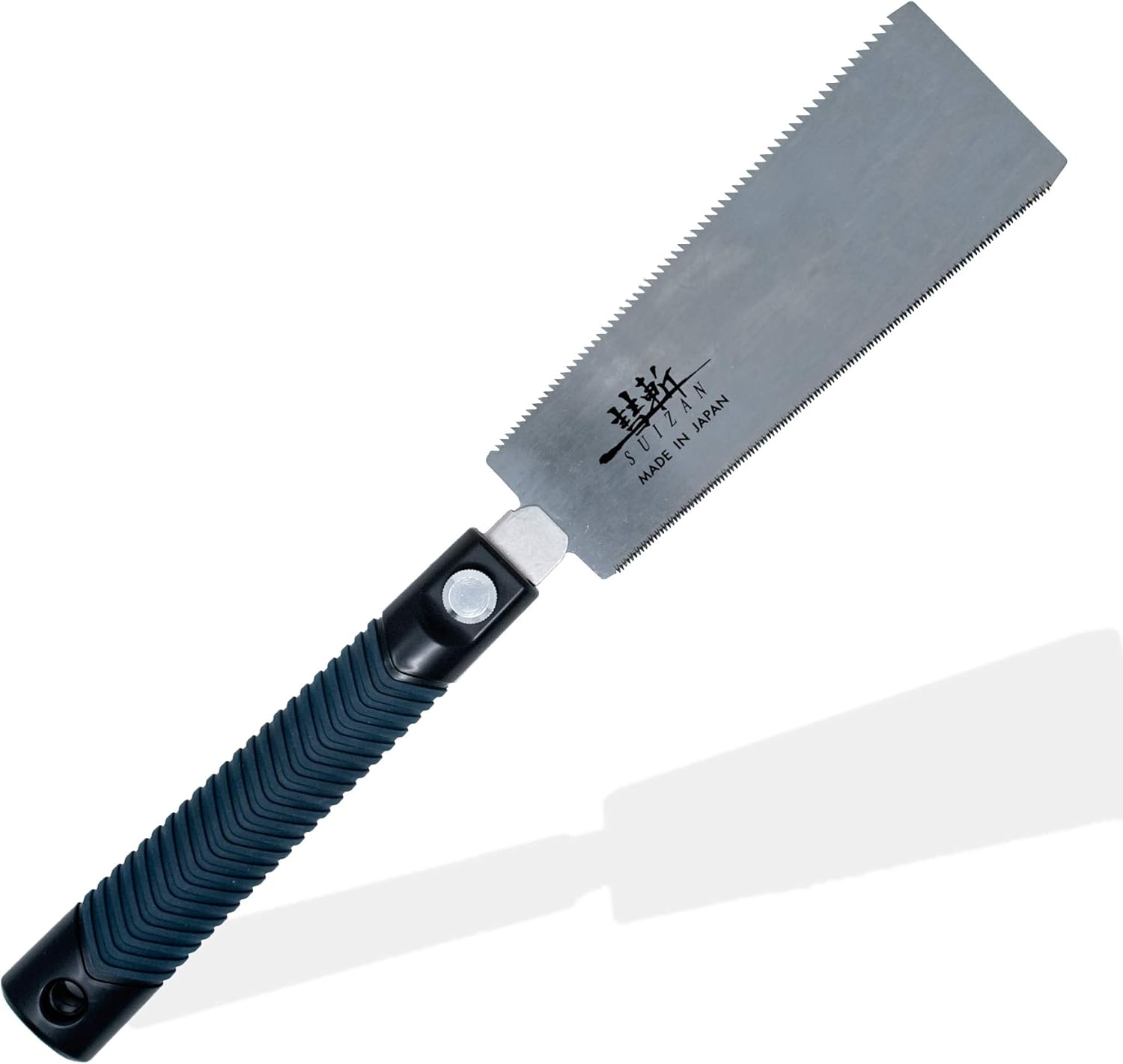
Our selection spans brands like SUIZAN, Samurai, RUITOOL and more, covering a range of designs from compact ryoba saws to specialized curved blades. We considered factors like blade length, tooth configuration, handle ergonomics, and overall craftsmanship to bring you this curated list for November 2026.
| Award | Product | ACMS Score About LAT ScoreACMS Score is calculated based on product ratings, reviews, and sales performance to help you make informed purchasing decisions. | Price | |
|---|---|---|---|---|
| Most Popular |
 BOOSDEN JY001 11-Inch Pruning Saw |
8.3/10 | $14.30 | Check price |
| Best Budget |
 RUITOOL 6-Inch Ryoba Pull Saw |
8.8/10 | $19.99 | Check price |
| Best Premium |
 Temple Tool R-240 9.5-Inch Ryoba Japanese Pull Saw |
8.9/10 | $45.00 | Check price |
| Best Overall |
SUIZAN SR-003 7-Inch Ryoba Saw
|
9.1/10 | $38.80 | Check price |
| Top Rated |
 Samurai GC-240-LH 240mm Curved Hand Saw |
8.9/10 | $557,056.76 | Check price |
BOOSDEN JY001 11-Inch Pruning Saw
This Japanese-style hand saw is designed for efficient and controlled wood cutting. Its SK5 steel blade and replaceable design cater to gardeners and DIYers who need a reliable tool for pruning and trimming tasks.
Pros
- SK5 high-carbon steel blade resists rust and wear, staying sharp longer.
- Ergonomic, non-slip wood handle reduces fatigue and improves control.
- Detachable, wobble-free blade is user-replaceable, extending the tool's overall lifespan.
- Lightweight design and versatile for gardening, camping, and woodworking.
Cons
- Manual operation requires physical effort, which may not suit all users.
- The 11-inch blade length may be limiting for cutting through very large branches.
RUITOOL 6-Inch Ryoba Pull Saw
A compact Japanese pull saw built for precise flush and finish cuts. Its double-edge layout, with 17 TPI on one side and 14 TPI on the other, makes it useful for both hardwood and softwood work. The lightweight beechwood handle and flexible SK5 steel blade suit woodworkers, carpenters, and craft users who want a fine-cutting hand saw.
Pros
- 6-inch blade is sized for precise flush and finish cuts
- Double-edged design with 17 TPI and 14 TPI for hardwood and softwood
- SK5 high-carbon steel blade with hardened teeth
- Lightweight build with a beechwood handle
- Lifetime warranty
Cons
- Hand-powered only
Temple Tool R-240 9.5-Inch Ryoba Japanese Pull Saw
This versatile dual-purpose saw offers rip and crosscut teeth on a single blade, making it a capable generalist for joinery and dimensioning lumber. Its premium handle and Japanese steel construction are backed by consistently positive user feedback. It's well-suited for woodworkers seeking a high-quality, lightweight hand saw for precise cuts.
Pros
- Dual-purpose blade handles both rip and crosscut tasks efficiently.
- High-quality Japanese steel maintains sharpness for clean, precise cuts.
- Lightweight pull-stroke design allows for thin-kerf, accurate, and less fatiguing use.
- Premium wingnut wood handle with brass components offers a comfortable, durable grip.
- Consistently high user rating indicates reliable satisfaction and performance.
Cons
- Limited warranty may concern some users seeking long-term coverage.
SUIZAN SR-003 7-Inch Ryoba Saw
A compact Japanese pull saw for fine woodworking tasks, this Ryoba model combines rip-cut and crosscut teeth on one blade. Its thin blade and narrow kerf suit joinery, trim, molding, and other detail work, while the elastomer handle supports a secure grip. It is a practical fit for users who want clean, controlled cuts in wood.
Pros
- Double-edge blade with rip and crosscut teeth
- Thin 0.5 mm blade leaves a narrow kerf
- Pull-stroke cutting helps track the cut line
- Non-slip elastomer handle
- Replaceable blade design
Cons
- Short 7.09 inch blade limits cut length compared with larger saws
Samurai GC-240-LH 240mm Curved Hand Saw
A curved pull saw made in Japan, the Samurai GC-240-LH uses precision toothing and a 4 mm tooth pitch for wood cutting. It also comes with a belt carrying case, making it a practical pick for users who want a compact hand saw with a traditional wooden handle.
Pros
- Made in Japan
- Curved blade design for pull-stroke cutting
- Precision toothing
- Includes a belt carrying case
- Wood handle
Cons
- Hand saw only, no powered cutting option
Best Japanese Hand Saw For Wood Buying Guide
Blade Type & Teeth Configuration
The blade type determines the saw’s primary function. Ryoba saws, like the SUIZAN Ryoba Double Edge Saw 7″, feature two distinct sets of teeth on opposite edges: one for rip-cutting (with the grain) and one for cross-cutting (across the grain). This dual-purpose design makes them incredibly versatile general-purpose tools. Single-edged saws, or kataba, have teeth on only one side and are often specialized for either rip or crosscutting, offering superior performance for their specific task. The TPI (teeth per inch) is crucial; a lower TPI (like 7-11) is for faster, rougher cuts in softwoods, while a higher TPI (like 19+) delivers slower but much finer, smoother cuts ideal for hardwoods and joinery.
For example, the Japanese Pull Saw – 9.5 Ryoba Hand Saw showcases a classic ryoba configuration, making it a fantastic all-rounder for both sizing stock and cutting joinery. Understanding your most common tasks will guide you toward the right blade type and tooth pitch.
Blade Length & Kerf
Blade length directly impacts control and cutting capacity. Shorter blades (6-7 inches) offer maximum control for detailed work, flush cuts, and working in tight spaces. Longer blades (9.5 inches and above) provide longer strokes for faster cutting through thicker stock. The kerf is the width of the cut the blade makes. Japanese saws are renowned for their thin blades, which create a narrow kerf. This means less material is turned into sawdust, requiring less effort and yielding a cleaner, more precise cut. A thinner blade, however, can be more delicate. It’s a balance between precision and durability.
| Blade Length | Best For | Consideration |
|---|---|---|
| 6″ – 7″ | Detail work, joinery, flush cuts, small projects | Maximum control, less power for thick stock |
| 9.5″ – 11″ | General woodworking, cutting boards to size, pruning | Faster cuts, better for thicker materials |
Handle Design & Ergonomics
A comfortable, secure grip is essential for control and to reduce hand fatigue, especially during extended use. Japanese saw handles are traditionally made from lightweight hardwood like Japanese white oak or, in modern tools, ergonomic polymers. Look for a handle shape that fits naturally in your hand. A straight handle is common and versatile, while some designs may have a slight pistol-grip curve for a more positive hold. The handle should also provide a firm connection to the blade without wobble. Many models feature tool-free blade replacement systems, where you simply unscrew the handle to swap in a new blade, greatly extending the tool’s life.
The BOOSDEN 11″ Pruning Saw, Japanese Hand Saw emphasizes an ergonomic, non-slip wood handle designed to minimize fatigue, which is a key feature for a tool often used in overhead or awkward positions during gardening.
Steel Quality & Craftsmanship
The quality of the steel determines how long the blade stays sharp and how well it performs. High-carbon steel, such as SK5 or specialized Japanese steel, is commonly used for its excellent edge retention and ability to be hardened to a fine sharpness. Blades hardened through processes like high-frequency quenching increase durability. “Made in Japan” is often a marker of quality, indicating blades forged in regions like Sanjo, Niigata, with centuries of metalworking tradition. This heritage typically translates to superior heat treatment and precise tooth grinding. While some excellent value saws are manufactured elsewhere, a Japanese-made blade from a reputable brand often represents the pinnacle of performance and longevity in this category.
Intended Use & Versatility
Finally, match the saw to your primary use case. Are you mostly doing fine joinery like dovetails and tenons? A fine-tooth ryoba or dedicated dozuki (backed saw) is ideal. Is it for general workshop use, cutting boards to width and length? A standard 9.5″ ryoba is perfect. For outdoor work like pruning and camping, a saw with a replaceable blade and rust-resistant coating, potentially with a curved blade for faster cutting on green wood, is the way to go. Some saws, like the Samurai ICHIBAN GC-240-LH 9-1/2″ (240mm), are designed with specific tooth geometry (“precision toothing”) for optimal performance in their niche. Defining your projects will lead you to the most suitable tool. For a broader look at tools in this family, explore our Hand Saws & Pruning Saws category.
Why You Should Trust Us
Our recommendations are based on a meticulous, data-driven analysis. We do not rely on manufacturer claims alone. Our process involves aggregating and cross-referencing thousands of user reviews, analyzing verified purchase feedback, studying detailed product specifications, and comparing features head-to-head. We prioritize objective metrics like steel type, TPI, blade dimensions, and ergonomic design, alongside subjective but crucial factors like user-reported ease of use and durability. Our goal is transparency; we present the strengths and potential limitations of each tool so you can make an informed decision based on your specific needs, not hype.
Final Thoughts
After reviewing 5 of the top contenders for 2026, we have clear recommendations for different needs and budgets. For the woodworker seeking a versatile, high-quality tool that excels in both the shop and on detailed joinery, our Best Overall pick is the Japanese Pull Saw – 9.5 Ryoba Hand Saw. Its combination of a beautiful wingnut handle, premium Japanese craftsmanship, and effective dual-tooth design makes it a joy to use and a reliable performer for a wide range of tasks.
If you’re looking for exceptional value without sacrificing performance, our Best Value choice is the RUITOOL Japanese Hand Saw 6 Inch Double Edge Ryoba. Its high-carbon SK5 steel blade, thoughtful double-edge TPI configuration, and overwhelmingly positive user feedback prove that you don’t need to spend a fortune to get a precise, durable Japanese pull saw. For those who need a compact, supremely controllable saw for fine detail work and small projects, the SUIZAN Ryoba Double Edge Saw 7″ is an outstanding Best for Detail Work selection, offering the quality of a Japanese-made blade in a perfectly sized package. Remember, the best tool is the one that fits your hand and your projects. Explore more options in our parent category, Chainsaws & Saws.
FAQs
What is the best japanese hand saw for wood in 2026?
The “best” saw depends entirely on your primary use. For an all-around superb tool, we recommend the Japanese Pull Saw – 9.5 Ryoba Hand Saw for its balance of quality, versatility, and craftsmanship. For budget-conscious buyers who still demand performance, the RUITOOL 6 Inch Double Edge Ryoba is an excellent choice.
Why do Japanese saws cut on the pull stroke?
Cutting on the pull stroke allows the blade to be under tension while cutting, which prevents buckling. This permits the use of a much thinner blade than a Western push saw, resulting in a narrower kerf (the cut width), less wasted material, less effort required, and a cleaner, more precise cut. The thin blade also follows a line more easily.
Can I use a Japanese hand saw for pruning trees?
Yes, absolutely. Many Japanese saws are excellent for pruning. Look for models specifically marketed as pruning saws, which often have features like a curved blade for faster cutting on green wood, rust-resistant coatings, and ergonomic handles for use at odd angles. The BOOSDEN 11″ Pruning Saw is a prime example designed for this purpose.
How do I maintain and sharpen a Japanese pull saw?
Most modern Japanese pull saws are considered disposable; when they become dull, you replace the blade. Sharpening them requires specialized files and significant skill due to their hard, thin teeth and complex tooth geometry. Brands like SUIZAN sell replacement blades for their models, making maintenance simple. Always clean the blade after use and apply a light coat of oil to prevent rust.
What’s the difference between a ryoba and a dozuki saw?
A ryoba is a double-edged saw with rip and crosscut teeth, making it a general-purpose tool. A dozuki is a single-edged saw with a stiffening spine (like a back saw) along the top of the blade opposite the teeth. This spine allows for extremely precise, straight cuts and is the preferred tool for cutting fine joinery like dovetails and tenons. For more on specialized saw types, visit our Hand Saws category page.
About the author
Contributor, Seasonal & Snow Tools. Based in Duluth, Minnesota. Jake has cleared long Minnesota driveways every winter for most of his adult life and has strong opinions about shovels and pushers. He writes about snow removal and cold-weather yard work.