
Tabortools GG12A, GG22A Review: Powerhouse for Thick, Dry Branches
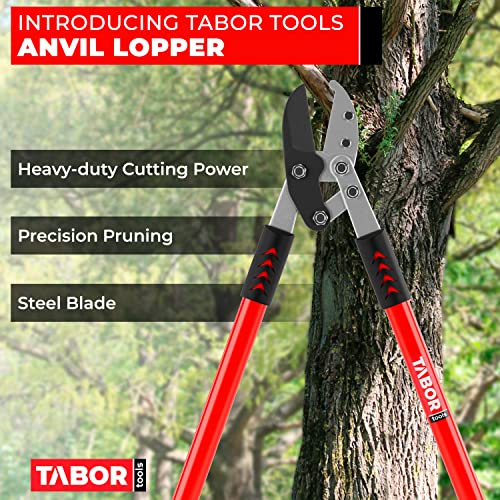
The Tabortools GG12A Anvil Lopper is a heavy-duty pruning tool designed to tackle thick, dry branches up to 2 inches with its compound action mechanism and sharp carbon steel blade.
 By Rachel Thompson
Updated October 26, 2026
Quick Verdict
9.1/10This heavy-duty anvil lopper uses a compound action mechanism to multiply force, making it a powerhouse for cutting through thick, dry branches up to 2 inches. Its 30-inch length provides excellent leverage, and the sharp carbon steel blade with a non-stick coating stays effective. It's a top choice for gardeners tackling tough pruning jobs on deadwood.
What we like
- Compound action provides significant cutting power for thick, dry branches
- Sharp, hardened carbon steel blade resists dulling and has a sap-resistant coating
- Long 30-inch handles offer increased leverage and reach for higher limbs
- Ergonomic, rubberized grips enhance comfort and control during use
Watch out for
- Anvil blade design is less ideal for clean cuts on live, green wood
- At 1.56 kg (approx. 3.4 lbs), it may feel heavy during prolonged use
For gardeners and landscapers facing the annual challenge of clearing deadwood and thick, woody growth, a standard pair of loppers often falls short. The Tabortools GG12A, GG22A steps into this niche as a specialized anvil lopper built explicitly for power over precision. This tool is engineered for those who need to make preparatory cuts, remove dead branches, and handle cut-to-length work where brute force is more critical than a clean, healing cut.

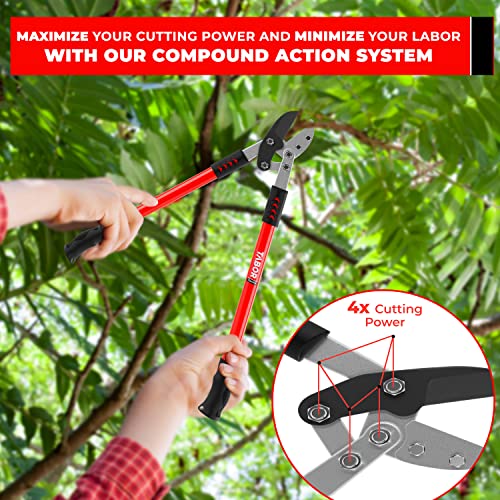
With a focus on dry and dead wood, this 30-inch lopper uses a compound action mechanism to multiply the user’s input force, aiming to make difficult cuts dramatically easier. It is a tool designed not as a general-purpose pruner but as a dedicated powerhouse for the toughest jobs in the garden. The bottom line: if your pruning tasks involve a lot of hard, dry branches up to 2 inches in diameter, the Tabortools GG12A is built to be your best friend in the garden.
Prime TABOR TOOLS GG12A 30-Inch Anvil Lopper


As an Amazon Associate we earn from qualifying purchases. Product prices and availability are accurate as of the date/time indicated.
Tabortools GG12A, GG22A at a Glance
| Specification | Detail |
|---|---|
| Model | GG12A, GG22A |
| Style | Anvil Lopper with Compound Action |
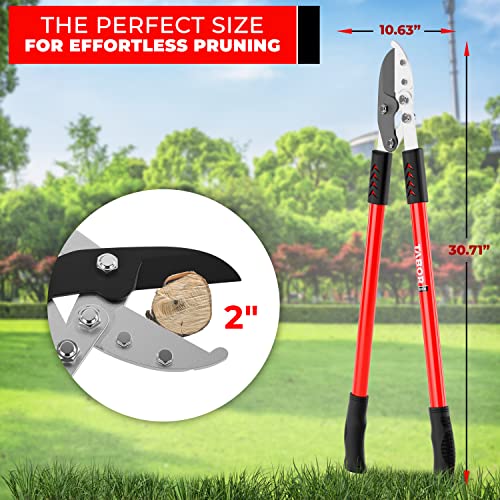
| Cutting Capacity | 2 Inches |
| Handle Length | 30 Inches (76 cm) |
| Item Weight | 1.56 kg |
| Blade Material | Hardened Carbon Steel |
| Blade Type | Anvil |
| Blade Coating | Low-Friction Non-Stick |
| Handle Material | Wood with Rubberized Grips |
| Hand Orientation | Ambidextrous |
Design and Build
The Tabortools GG12A presents a robust, no-nonsense design centered on durability and force application. The core of its construction is the hardened carbon steel blade, which is designed to stay sharp through heavy use. This blade features a low-friction, non-stick coating intended to reduce gumming from sap and other residues, aiming to maintain smooth operation over time.
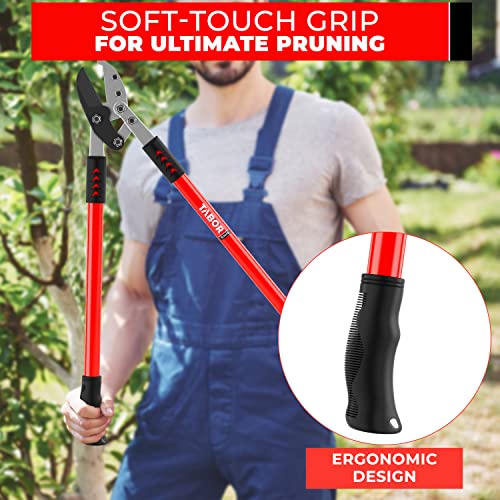
The 30-inch handles are constructed from wood and provide the long lever arm necessary for generating significant cutting power. These handles are fitted with rubberized grips, which are intended to provide comfort and a secure hold during use, potentially reducing hand fatigue. The overall build is balanced for a tool of its type and weight, which is listed at 1.56 kg. This heft contributes to its cutting power but is a factor to consider for extended use sessions.
Performance and Features
Compound Action Mechanism
The standout feature of the GG12A is its compound action mechanism. This design multiplies the force applied by the user at the handles, transmitting significantly greater power to the cutting blade. This mechanical advantage is what allows the lopper to tackle its advertised 2-inch cutting capacity on dry, hard wood. It transforms a challenging cut that might require a saw into a manageable squeeze, making it particularly useful for fast removal of dead growth.
Anvil Cutting Head
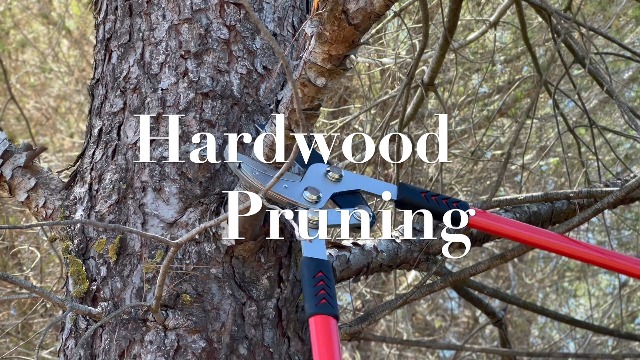
This lopper utilizes an anvil-style cutting head. In this design, a sharp blade closes onto a flat, metal “anvil” rather than bypassing another blade. This configuration is exceptionally effective at crushing through hard, dry, and brittle branches where maximum force is needed. However, this design philosophy makes it ideal for deadwood and less ideal for live, green wood, where a clean bypass cut is preferred to promote healthy plant healing. The manufacturer explicitly positions it as the perfect partner to a bypass lopper, not a replacement for one.
Ergonomics and Leverage
The 30-inch length is a key performance feature beyond just reach. The extended handles provide extra leverage, further amplifying the user’s strength and making it easier to navigate around higher limbs without a ladder for some tasks. The ergonomic, rubberized grips are designed for optimal control, which is crucial when applying substantial force. The manufacturer notes this design can make the tool easier to use for gardeners with limitations like arthritic wrists, as the compound action reduces the raw grip strength required.
Maintenance and Running Costs
Maintenance for the Tabortools GG12A appears straightforward based on the provided specifications. The hardened carbon steel blade is built for longevity and resistance to dulling. The non-stick coating aims to minimize sap buildup, which should simplify cleaning after use. A significant point for long-term ownership is the manufacturer’s mention that replacement cutting blades are available, suggesting the tool can be refurbished if the primary blade ever becomes damaged or worn beyond sharpening.
There are no batteries, filters, or motors to maintain or replace, keeping running costs minimal. General upkeep would involve keeping the pivot point lubricated, cleaning the blade, and occasionally sharpening the cutting edge to maintain peak performance. The wooden handles and rubber grips may require inspection for wear over many seasons, but specific replacement part information for these components is not listed by the manufacturer.
What Owners Say
Owner feedback, as reflected in the overall rating distribution, is overwhelmingly positive. The product holds a high average rating, with the vast majority of reviews being top-tier. This suggests widespread satisfaction among purchasers with the lopper’s performance, particularly regarding its ability to cut through thick branches with relative ease. The concentration of ratings in the top two tiers indicates that most users find it lives up to its claims of being a powerful, heavy-duty tool for demanding pruning tasks.
Pros and Cons
Pros
- Compound action provides exceptional cutting power for thick, dry wood.
- Sharp, hardened carbon steel blade resists dulling.
- Non-stick coating helps prevent sap buildup.
- Long 30-inch handles offer superior leverage and reach.
- Ergonomic, rubberized grips enhance comfort and control.
- Replacement blades are available for long-term use.
Cons
- Anvil blade design is not suitable for clean cuts on live, green wood.
- Can feel heavy during prolonged use sessions.
- Focused specialization means it’s not a universal pruning tool.
- Requires adequate storage space due to its length.
Who Should Buy It (and Who Should Skip It)
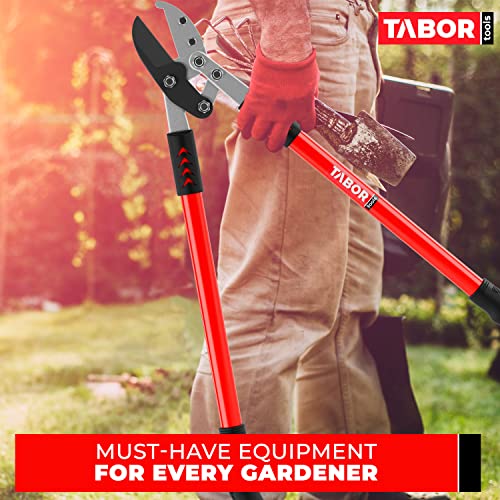
The Tabortools GG12A, GG22A is an ideal purchase for gardeners, landscapers, and property owners who regularly deal with overgrown areas, deadfall, and thick, dry branches. If your primary pruning need is clearing deadwood, cutting back hardy shrubs, or preparing firewood lengths, this lopper’s power will be invaluable. It’s also a great complement for anyone who already owns a quality bypass lopper for fine pruning but needs a tool for the heavy, preparatory work.
This tool is not the best choice for those whose gardening focuses primarily on delicate plants, live green wood, and precision pruning where clean cuts are vital for plant health. If your main tasks involve shaping hedges, pruning fruit trees, or deadheading flowers, a bypass lopper or pruning shears would be more appropriate. Similarly, if you need a single, general-purpose lopper for a variety of tasks, the specialized anvil design of the GG12A makes it less versatile than a bypass model.
Final Verdict
The Tabortools GG12A Anvil Lopper excels in its designated role as a specialist tool for power pruning. Its combination of a compound action mechanism, a sharp anvil blade, and long, leveraged handles creates a tool that genuinely makes short work of thick, dry branches that would stall other cutters. The thoughtful design elements, like the non-stick blade coating and comfortable grips, show an attention to user experience that supports its heavy-duty function.
When evaluated as part of a complete hand tool arsenal, the GG12A’s value becomes clear. It is not meant to be your only lopper, but rather the powerhouse you reach for when the job is too tough for standard tools. For anyone facing serious pruning challenges involving deadwood and thick growth, it represents a focused and highly effective solution that can save significant time and effort, living up to its promise of making heavy-duty pruning dramatically easier.
FAQs
What is the difference between an anvil lopper and a bypass lopper?
An anvil lopper, like the Tabortools GG12A, has a single sharp blade that closes onto a flat metal plate (the anvil). This design excels at crushing through hard, dry, and dead wood with maximum force. A bypass lopper works like scissors, with two blades bypassing each other to make a clean, slicing cut. Bypass loppers are better for live, green wood as they create a cleaner wound that heals faster.
Can the Tabortools GG12A cut through live branches?
While it physically can cut live branches, its anvil design is not recommended for this purpose. The crushing action can damage the branch tissue, leading to a ragged cut that is slower to heal and more susceptible to disease. For pruning live growth, a bypass-style lopper is the correct tool choice to promote plant health.
Is the blade on the GG12A replaceable?
Yes. According to the manufacturer’s provided features, replacement cutting blades are available for the Tabortools GG12A. This is a significant advantage for long-term ownership, as it allows you to restore the tool to like-new cutting performance if the original blade becomes damaged or worn.
What type of maintenance does this lopper require?
Basic maintenance involves wiping the blade clean after use, especially to remove sap, and occasionally applying a light lubricant to the pivot point to ensure smooth operation. The blade may need sharpening over time with a suitable file or sharpening stone. The manufacturer’s non-stick coating is intended to reduce sap adhesion, making cleaning easier.
Featured In
About the author
Editor, Lawn Care Equipment. Based in Columbus, Ohio. Rachel looks after a half-acre suburban lawn and a vegetable plot. She focuses on trimmers, edgers, sweepers, tillers, and the small upgrades that make a yard easier to keep tidy.