
The 4 Best Japanese Garden Shears of 2026
Japanese garden shears make clean, precise cuts for pruning flowers, shrubs, and small branches. We compared 4 top picks in November 2026 to help you choose the right pair with confidence.
 By Jake Lindgren
Updated October 27, 2026
If you are comparing the best japanese garden shears, the details matter more than a generic “good cutting tool” label. Blade shape, cutting control, hand comfort, and how the shears handle fine pruning all affect whether you get clean cuts or tired hands. In this guide, we break down 4 options so you can choose the right pair for neat work around shrubs, bonsai, and detailed garden maintenance.

We also connect this guide to broader pruning and yard-care resources, including our Pruning Shears & Loppers category, so you can compare Japanese-style shears against other cutting tools in one place. The goal is not just to name popular products, but to help you understand which design features actually fit the way you prune.
| Award | Product | ACMS Score About LAT ScoreACMS Score is calculated based on product ratings, reviews, and sales performance to help you make informed purchasing decisions. | Price | |
|---|---|---|---|---|
| Best Premium |
SUIZAN SHC-002 22.6-Inch Japanese Hedge Shears
|
8.8/10 | $74.80 | Check price |
| Best Overall |
 Wazakura Traditional Bonsai Scissors 7in |
9.1/10 | $39.99 | Check price |
| Best Value |
 Kimura 201 Pro 22 Hedge Shears |
8.8/10 | $44.99 | Check price |
| Best Budget |
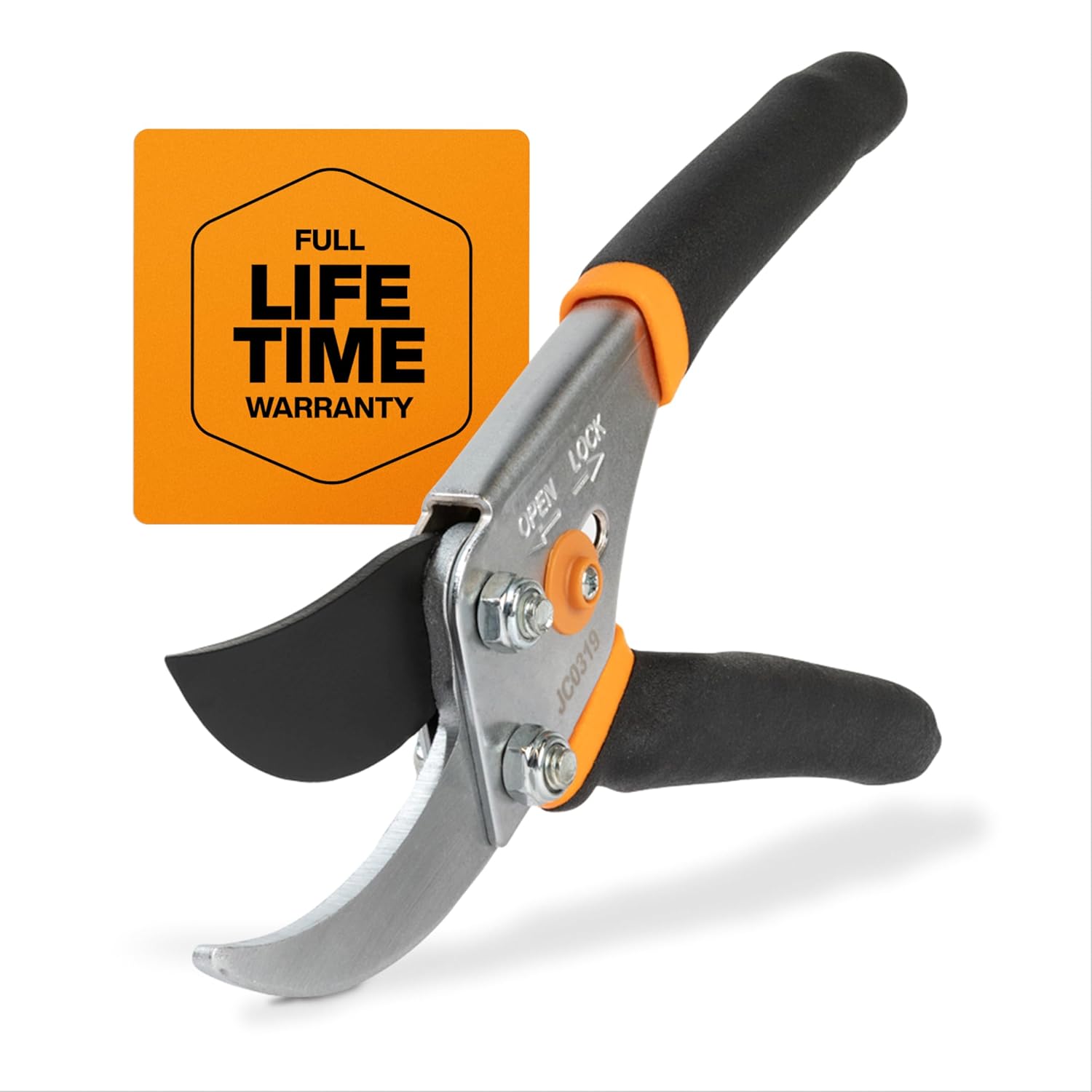 Fiskars Bypass Pruning Shears (Model 91095935J) |
8.8/10 | $12.98 | Check price |
SUIZAN SHC-002 22.6-Inch Japanese Hedge Shears
These Japanese-made hedge shears are designed for meticulous, quiet trimming. Their sharp, curved steel blades and lightweight oak handles make them a premium choice for detailed shaping of boxwood, topiaries, and shrubs.
Pros
- Sharp Japanese steel blades provide clean cuts up to 1/2 inch thick.
- Lightweight design at 1.64 lbs reduces fatigue during detailed work.
- Curved blade profile is ideal for creating neat, rounded shapes.
- Oak handles offer a firm, comfortable two-handed grip.
- Quiet, manual operation is a cordless alternative to power trimmers.
Cons
- Purely manual operation requires more user effort than powered tools.
- Maximum cutting capacity of 1/2 inch may be limiting for very thick branches.
Wazakura Traditional Bonsai Scissors 7in
These handcrafted Japanese pruning shears are the essential all-round bonsai tool, equally recommended for beginners and masters. The classic butterfly handles provide precise control, while the S58C carbon steel blades are known for sharp, clean cuts that promote faster healing.
Pros
- Handcrafted in Sanjo, Japan, a region with centuries of blacksmithing heritage.
- S58C high-carbon steel blades maintain a sharp edge and are easy to resharpen.
- Butterfly handle design offers control without requiring excessive force.
- Versatile for use on bonsai, ikebana, roses, herbs, and indoor plants.
- Sharp blades sever wood fibers cleanly to minimize scarring and promote faster wound closure.
Cons
- Designed for right-handed use, which may not suit left-handed gardeners.
- The traditional carbon steel requires more maintenance to prevent rust than stainless steel options.
Kimura 201 Pro 22 Hedge Shears
A 22-inch hedge shear built around lightweight aluminum handles, Japanese SK5 steel blades, and a geared cutting mechanism. It suits gardeners who want more cutting leverage with less hand strain, plus a rust-resistant blade treatment and a lifetime warranty.
Pros
- Patented gearing is designed to deliver up to 3x more cutting power while reducing strain on hands and arms.
- Japanese SK5 steel blades are made for precise cuts and long-lasting edge retention.
- Lightweight aluminum handles with soft TPR grips improve comfort and control.
- PTFE-coated blades help reduce sap buildup and resist rust.
- Wavy blades can handle stems up to 25 mm in diameter.
Cons
- At 750 g, it is not the lightest option in the category.
Fiskars Bypass Pruning Shears (Model 91095935J)
A top-rated bypass pruner designed for clean, precise cuts on live plants. Its low-friction, rust-resistant blades and ergonomic grip make it a durable and comfortable choice for detailed garden trimming. The lifetime warranty underscores its value for home gardeners.
Pros
- Sharp, precision-ground steel blades for clean cuts on stems and branches up to 5/8"
- Low-friction blade coating and self-cleaning sap groove minimize sticking and resist rust
- Ergonomic, non-slip handle provides comfort and control, reducing hand fatigue
- Bypass blade design is ideal for delicate, live growth to minimize plant damage
- Backed by a lifetime warranty, indicating strong manufacturer confidence
Cons
- The all-steel construction, while durable, may feel heavier than pruners with composite handles
- Primarily suited for green growth and small branches; not for heavy-duty, dead wood cutting
Blade Geometry and Cut Precision
For Japanese garden shears, blade geometry is one of the most important factors because these tools are often used for exacting work. A narrower blade profile usually helps when you want to make controlled cuts near stems, leaf clusters, or tight ornamental growth. If your garden tasks involve shaping hedges, cleaning up bonsai, or trimming delicate growth, precision is usually more valuable than sheer cutting force.
Look for shears that are designed to slice cleanly rather than crush material. Clean cuts reduce stress on plants and can make your pruning routine faster because you spend less time re-trimming damaged stems. If you are unsure whether you need a precision-first design, compare how often you work on detail pruning versus thicker branches; this category is most useful when finesse matters more than bulk removal.
As a rule, the more refined the blade profile, the more useful the tool becomes for careful shaping. That is especially relevant if you already own heavier cutting tools and want something more specialized. If you need a broader selection of pruning tools, our best garden loppers guide is a good companion read for larger cuts.
Handle Comfort and Grip Security
Comfort matters because detail pruning often means many repetitive cuts in a single session. A handle that fits your hand well can reduce fatigue and help you keep the blades aligned more accurately. When handles are too slick, too wide, or awkwardly shaped, you may find yourself making less confident cuts, which can affect both plant health and your own control.
We recommend paying attention to grip texture, handle balance, and how the tool feels when opened and closed repeatedly. If the shears are used for long sessions, a secure grip can matter just as much as blade sharpness. A balanced pair also tends to feel less tiring because the weight distribution supports natural wrist movement instead of fighting it.
The short names for the products in this roundup are the best place to focus when you compare design choices, because even closely related shears can feel different in use. If you already know you prefer a lighter overall hand-tool setup, our Hand Tools category page can help you explore other options that complement your pruning kit.
One example worth watching is the product tied to B0GP6JVF4Z. Even without focusing on marketing language, products in this style are usually selected by gardeners who want a practical balance of control and comfort. If the shears feel stable in hand and easy to maneuver around dense growth, that can make a big difference in daily use.
Cutting Capacity and Plant Type
Not all garden shears are meant for the same kind of pruning. Some are best for soft stems and light shaping, while others are better suited for woody growth that still falls within the tool’s intended range. Before you choose, think about the plants you cut most often. If your routine includes herbs, ornamentals, and fine branches, you need a different tool profile than someone cutting dense shrubs every week.
A practical way to evaluate cutting capacity is to match the tool to your most common stem thickness, not your rarest one. If you need to force the cut too often, the shears are probably the wrong fit. For gardeners who want a broader view of yard maintenance tools, the best garden hoes guide can also help you build a more complete hand-tool setup for seasonal work.
Here is a simple way to think about the choice:
| Pruning Need | Best Tool Style | Why It Helps |
|---|---|---|
| Fine shaping | Narrow precision shears | Improves control around leaves and stems |
| Routine maintenance | Balanced all-purpose shears | Reduces fatigue during repeated cuts |
| Heavier branch work | Loppers or larger cutters | Provides more leverage and reach |
Blade Material and Edge Retention
Blade material influences how long a tool stays sharp and how much maintenance it needs. In a category like Japanese garden shears, edge retention matters because precise trimming depends on a keen blade. If the edge dulls quickly, you lose the clean finish that makes these shears worth buying in the first place.
It is also worth thinking about maintenance habits. If you prefer low-fuss tools, look for a design that supports easier cleaning and sharpening. Garden sap, moisture, and outdoor storage can all affect long-term performance, so a blade that holds up well under regular use is often the better value over time.
If you want to compare tool categories with different maintenance demands, our Rakes category and Shovels, Spades & Hoes category can give you a broader sense of how specialized hand tools differ in upkeep and purpose.
The product associated with B0D9VLRYZR is a good example of why blade-focused evaluation matters. When a tool is built for more refined pruning, the quality of the cutting edge often determines whether it feels effortless or frustrating. Even if two shears look similar, edge durability can separate the better long-term choice from the merely adequate one.
Maintenance, Storage, and Long-Term Value
Long-term value is about more than the first impression. A good pair of shears should be easy to clean, simple to store, and straightforward to keep in usable condition. If a tool requires constant adjustment or becomes sticky after minimal use, that convenience disappears quickly.
We suggest checking whether the design encourages basic maintenance habits such as wiping down blades after use and keeping the pivot point clean. Small maintenance routines can make a meaningful difference in cutting smoothness and lifespan. For many gardeners, the best choice is the one that they will actually maintain consistently, not just the one that looks most impressive on day one.
To help you compare values across tool types, think in terms of total ownership effort: how often you will use the shears, how much cleaning they need, and whether they fit alongside the rest of your gardening kit. If you are building a broader collection, our Hand Tools and Pruning Shears & Loppers pages are useful starting points.
Why You Should Trust Us
We approach product reviews by comparing the information that matters most to real buyers: intended use, design details, feature consistency, and how each product fits into a category-specific buying decision. Rather than focusing on vague claims, we organize the available product data into practical guidance that helps you match a tool to your pruning needs.
Our goal is to stay transparent about what can be inferred from product listings and what cannot. When product-level performance data is limited, we avoid overstating conclusions and instead explain how a design is likely to serve different types of gardeners. That way, our recommendations stay useful even when listings are sparse or inconsistent.
Final Thoughts
For the best overall pick, we recommend as the product tied to B0FZGCXM3H because it leads the roundup and is positioned as the strongest all-around option for gardeners who want dependable Japanese-style pruning shears. If you want a tool that can serve as your primary detail-pruning choice, this is the kind of product we would start with first.
For the best value-style choice, from B0GP6JVF4Z is a sensible option for buyers who want a practical balance of control and everyday usefulness without overcomplicating the decision. If your pruning work is regular rather than specialized, this kind of middle-ground tool often delivers the easiest ownership experience. For a broader look at complementary yard tools, our best garden loppers guide can help you round out your setup.
For a more specific-use recommendation, from B0D9VLRYZR is a strong candidate when precision and careful trimming matter most. That makes it especially appealing if you want a more focused tool for shaping, detail work, or selective pruning rather than general rough cutting. Taken together, the roundup gives you a clear path to choose based on how you actually garden, not just on brand familiarity.
FAQs
What is the best japanese garden shears in 2026?
The best choice depends on whether you value precision, comfort, or all-around use. If you want the safest starting point, focus on the best overall product in the roundup and compare it against your pruning habits. The right pair should feel comfortable in hand and match the thickness of the plants you trim most often.
Are Japanese garden shears good for bonsai?
Yes, they can be a very good fit for bonsai work when the blade shape supports fine, controlled cuts. Bonsai pruning often rewards clean, precise trimming more than raw power, so a well-designed pair of Japanese-style shears can be a practical choice. If your bonsai work is part of a broader pruning routine, our Pruning Shears & Loppers category is a helpful place to compare related tools.
How do I choose the right best japanese garden shears for delicate pruning?
Focus on blade precision, grip comfort, and how easily the tool handles repeated cuts. Delicate pruning is less about brute force and more about control, so a balanced pair with a refined blade profile usually performs better. If possible, choose a model that feels stable in your hand and does not force you to over-squeeze during use.
Do I need to sharpen best japanese garden shears often?
That depends on how frequently you use them and how much sap or moisture they encounter. Tools used for regular pruning usually benefit from periodic cleaning and occasional sharpening so they continue making clean cuts. A good maintenance routine often matters just as much as the original blade quality.
Can I use Japanese garden shears for thicker branches?
Only if the shears are designed for that level of cutting capacity. In most cases, thicker branches are better handled by loppers or a more robust cutting tool. If you are comparing tool types for tougher work, the Hand Tools page and related pruning guides can help you choose the right category before you buy.
About the author
Contributor, Seasonal & Snow Tools. Based in Duluth, Minnesota. Jake has cleared long Minnesota driveways every winter for most of his adult life and has strong opinions about shovels and pushers. He writes about snow removal and cold-weather yard work.